

MOVIE THEATERS ARE DEAD — WHAT DO WE DO NOW?
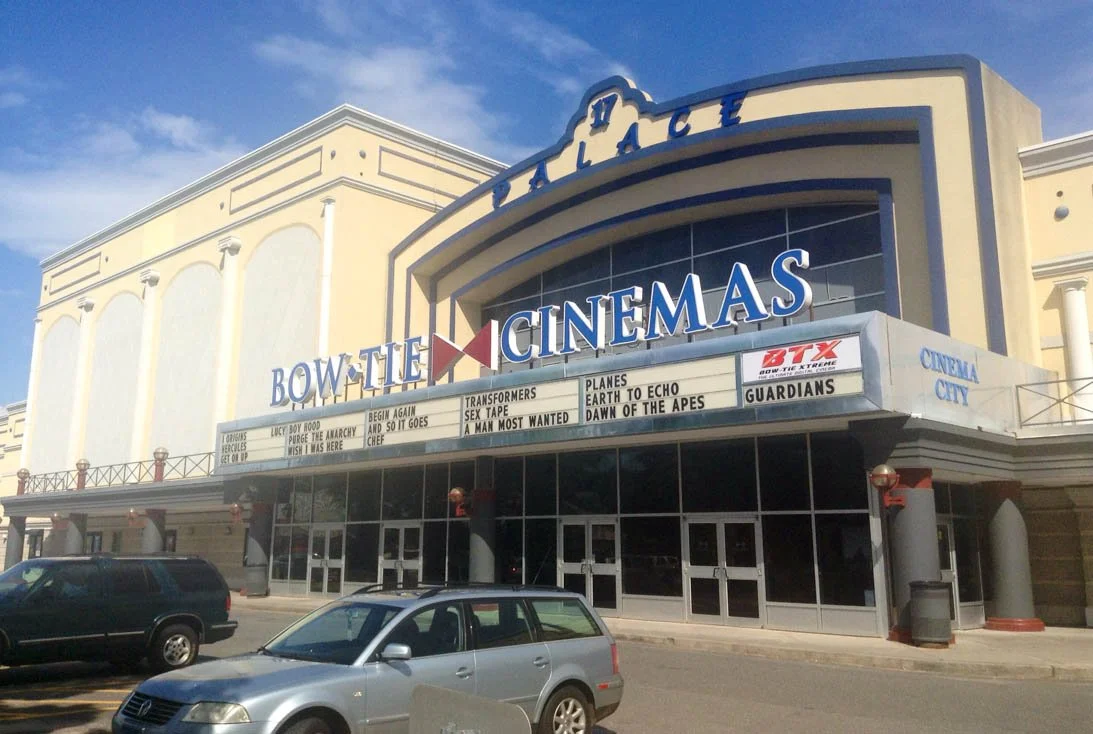
Does anyone go to the movies anymore? It seems like streaming has replaced cinema as more and more movie theaters are closing.
Earlier this year, one of Hartford’s last movie theaters shuttered its doors as Apple Cinemas Xtreme on New Park Avenue closed for good. Formerly known as Bow-Tie Cinemas, the 17-screen theater initially opened in 2008 and was later renovated and rebranded as Apple Cinemas Xtreme in 2020. The spacious, 60,000 square-foot theater joined a smaller cinema in downtown Hartford under the same chain, but both theaters have since closed.
The recent slew of shut-down movie theaters signals a major shift in American culture as going to the movies is no longer a familiar pastime. Thanks to platforms like Netflix, Hulu and HBO Max as well as TikTok Live, movies have taken a back seat. Not only do major productions go straight to streaming services, skipping the theater all together, the average attention span just isn’t equipped to consume long-form content anymore. 60-second clips have fried our brains, making it easier just to catch a content creator’s recap of a movie rather than watching the 2 hour film ourselves. Further, with the economy in shambles and everything literally costing an arm and a leg, spending over $20 at the movies is a bit steep. Spending what little hard-earned money you have is even more difficult to justify when the actors make three times your yearly salary in a month.
The movie industry is dying out for an abundance of reasons, but perhaps the cinema doesn’t have to perish along with it. In times as dark as these, movies can actually provide the joy and escapism we so desperately crave. Going to the movies was once a hallowed hobby as the cinema is a cultural cornerstone and an art form in its own right. Organizations like Flint Street Theater host free movies on the weekend, providing an oasis as New Haven has become a movie theater desert. Real Art Ways as well as CineStudios on Trinity College’s campus also fill in the cinematic caps as both spaces play popular and lesser-known independent films, offering options for avid movie-goers. Community-oriented spaces like these make movies more accessible while providing space for independent artists to showcase stories that reflect their experiences.
While the closure of movie theaters may seem trivial, it robs so many of us and future generations of the experience of watching moving art on the big screen. More than just a passive spectator sport, movies bring us together and make our universal human experiences larger than life. If we lose the cinema, we lose community.