

GUEST CURATOR JASMIN AGOSTO BRINGS TOGETHER 17 PUERTO RICAN ARTISTS TO REIMAGINE THE MUSEUM AS A SPACE FOR CULTURAL EXPRESSION, IDENTITY, AND STORYTELLING.
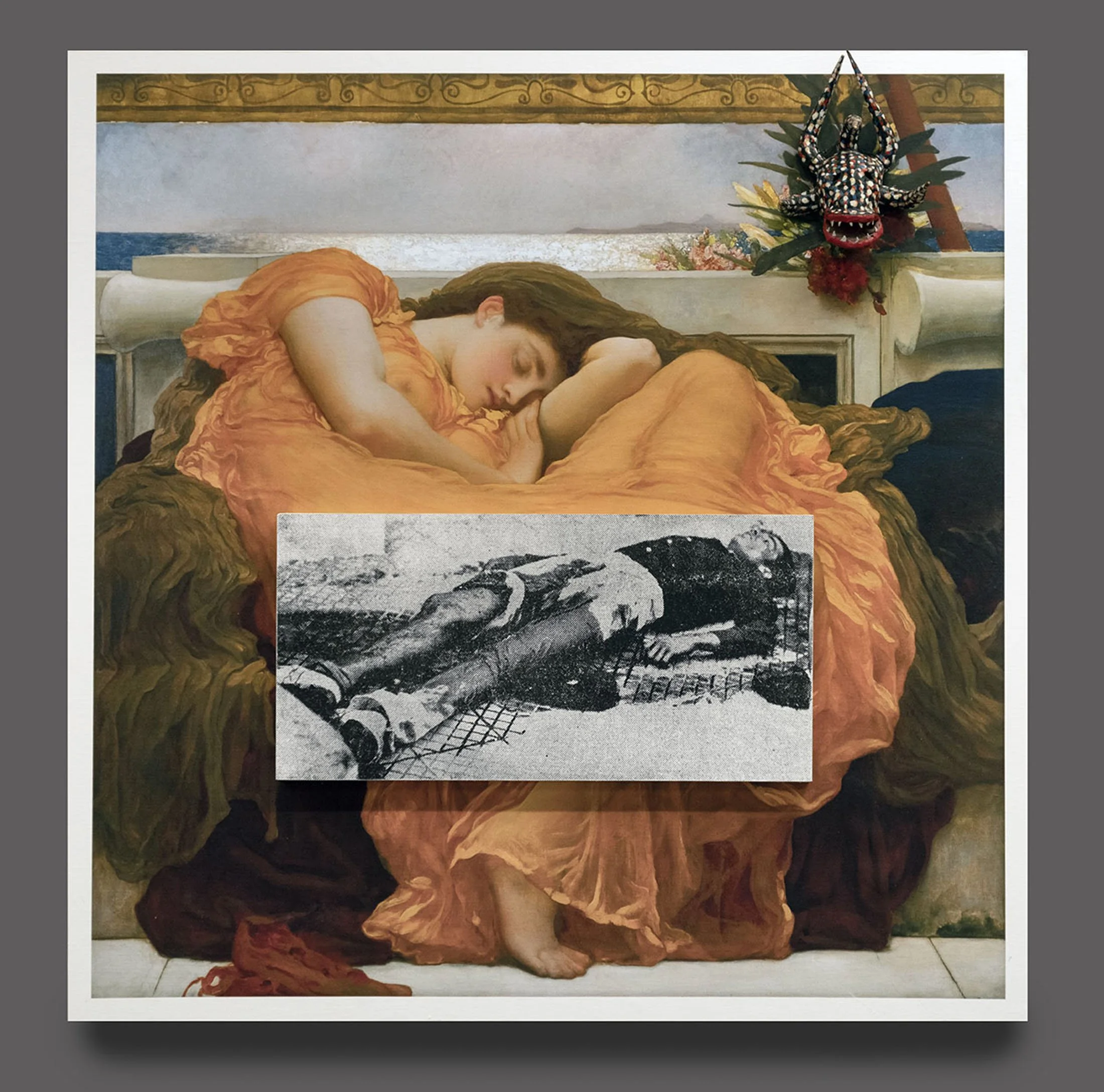
Candela, Pablo Delano, 2025, pigment prints on canvas mounted on panel with found object, 32 x 32 inches
This fall, the Wadsworth Atheneum Museum of Art brought together 17 contemporary Puerto Rican artists with Connecticut ties in ¡Batey Boricua! Creamos Nuestro Espacio | We Create Our Space. Opened in September, the exhibition spans a range of artistic disciplines, including paintings, sculpture, photography, installations, video, and mixed media.
In a historic first for the museum, the exhibition was shaped by a guest curator from the wider community: Jasmin Agosto, multidisciplinary artist and producer.
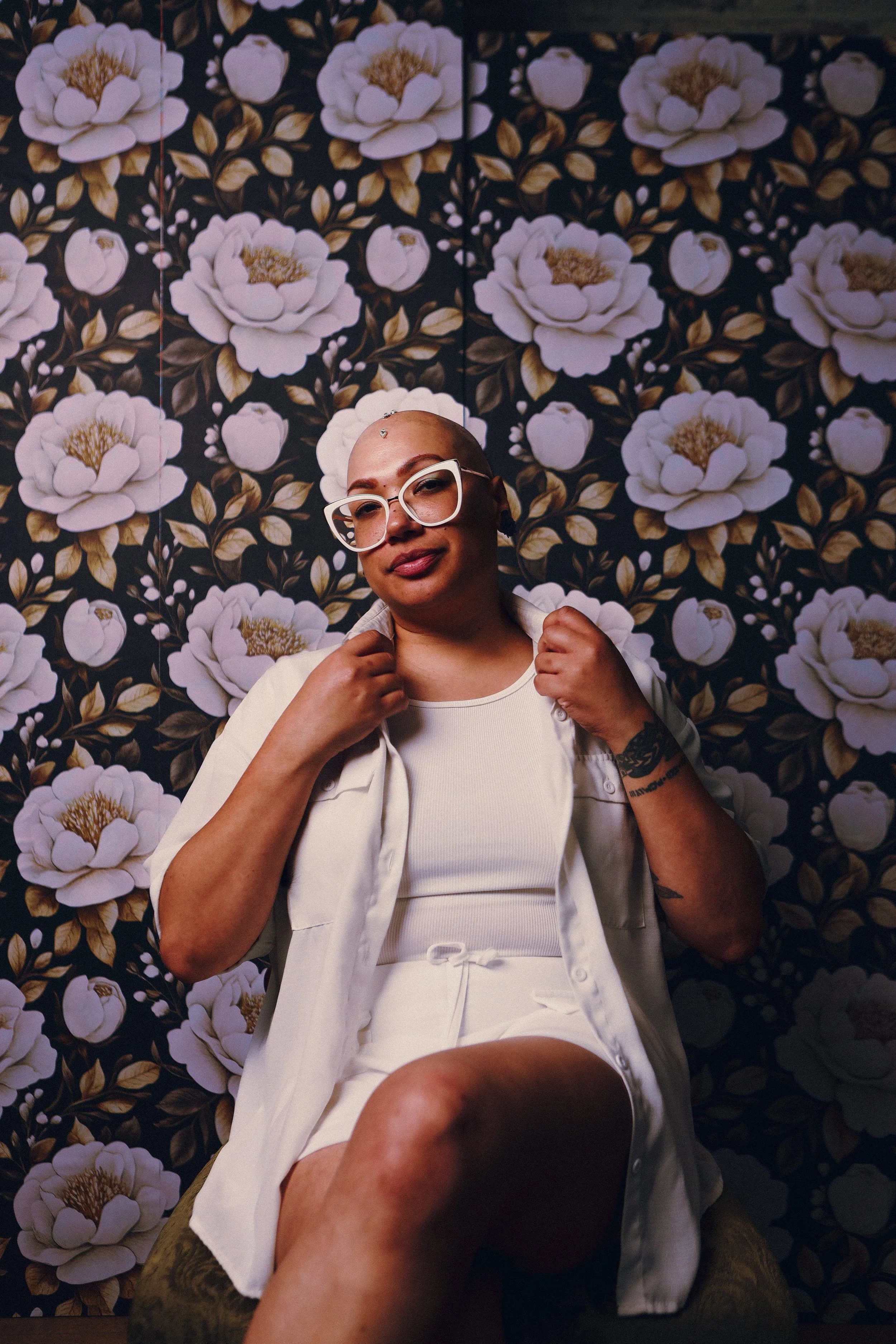
Jasmin Agosto,
Curator of ¡Batey Boricua!
Photo courtesy of Bizzie Ruth
Long recognized as the oldest continuously operating public art museum in the United States, the Wadsworth was founded with a collection rooted largely in European art, much of which remains on view today. Agosto, however, saw an opportunity to draw attention to the vibrant artistic community that has long existed alongside the museum.
Puerto Ricans have been part of Connecticut’s history since at least 1844, the same year the Wadsworth opened its doors. Today, nearly 300,000 Connecticut residents identify as Puerto Rican, with Hartford home to an especially large and vibrant community. In assembling ¡Batey Boricua!, Agosto sought out artists of varying ages, backgrounds, and artistic practices, yet all united by their connection to Connecticut. She emphasized the importance of recognizing the creative work happening closer to home: “digging in and connecting to the incredible rich cultural tapestry that is right here in our backyard.”
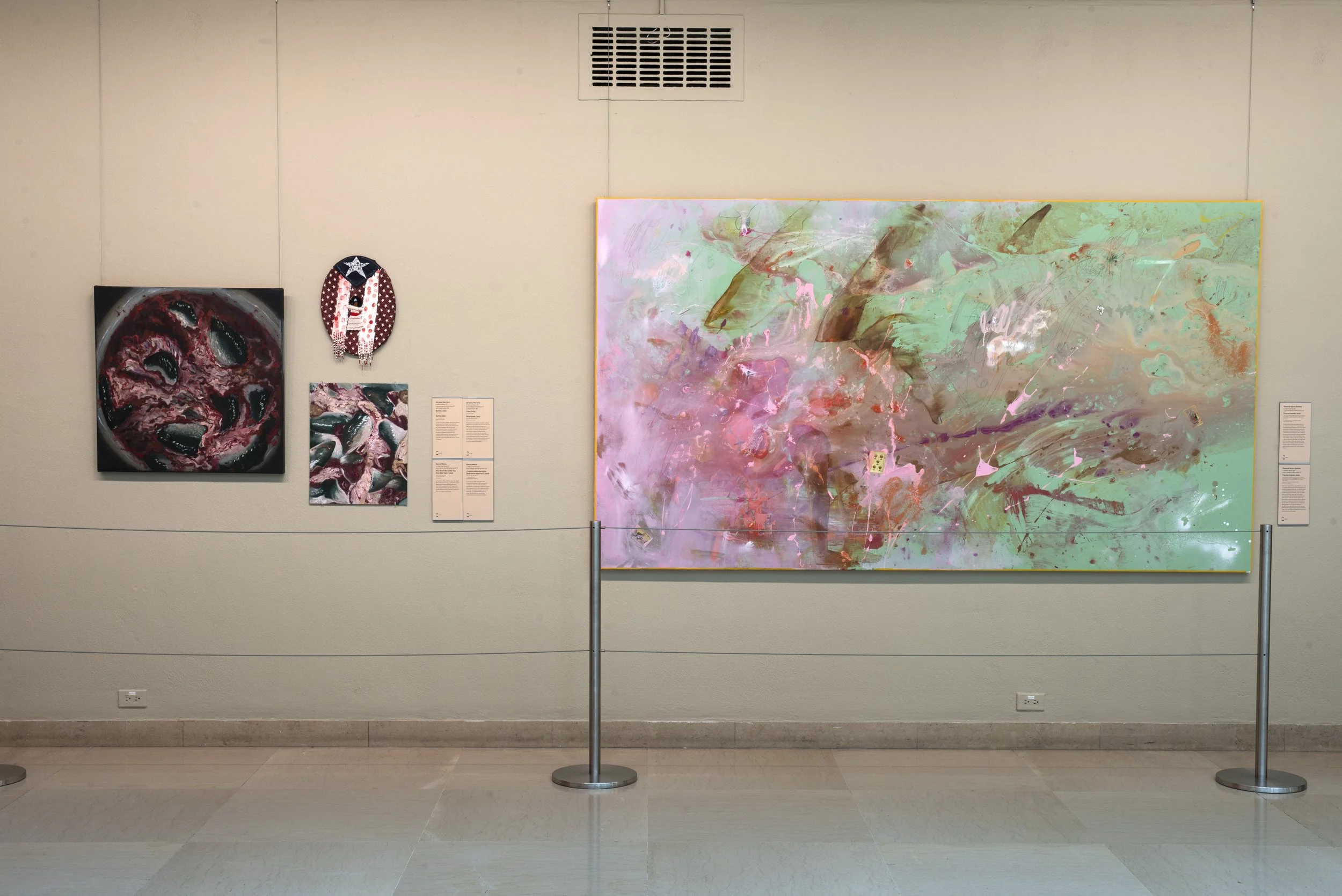
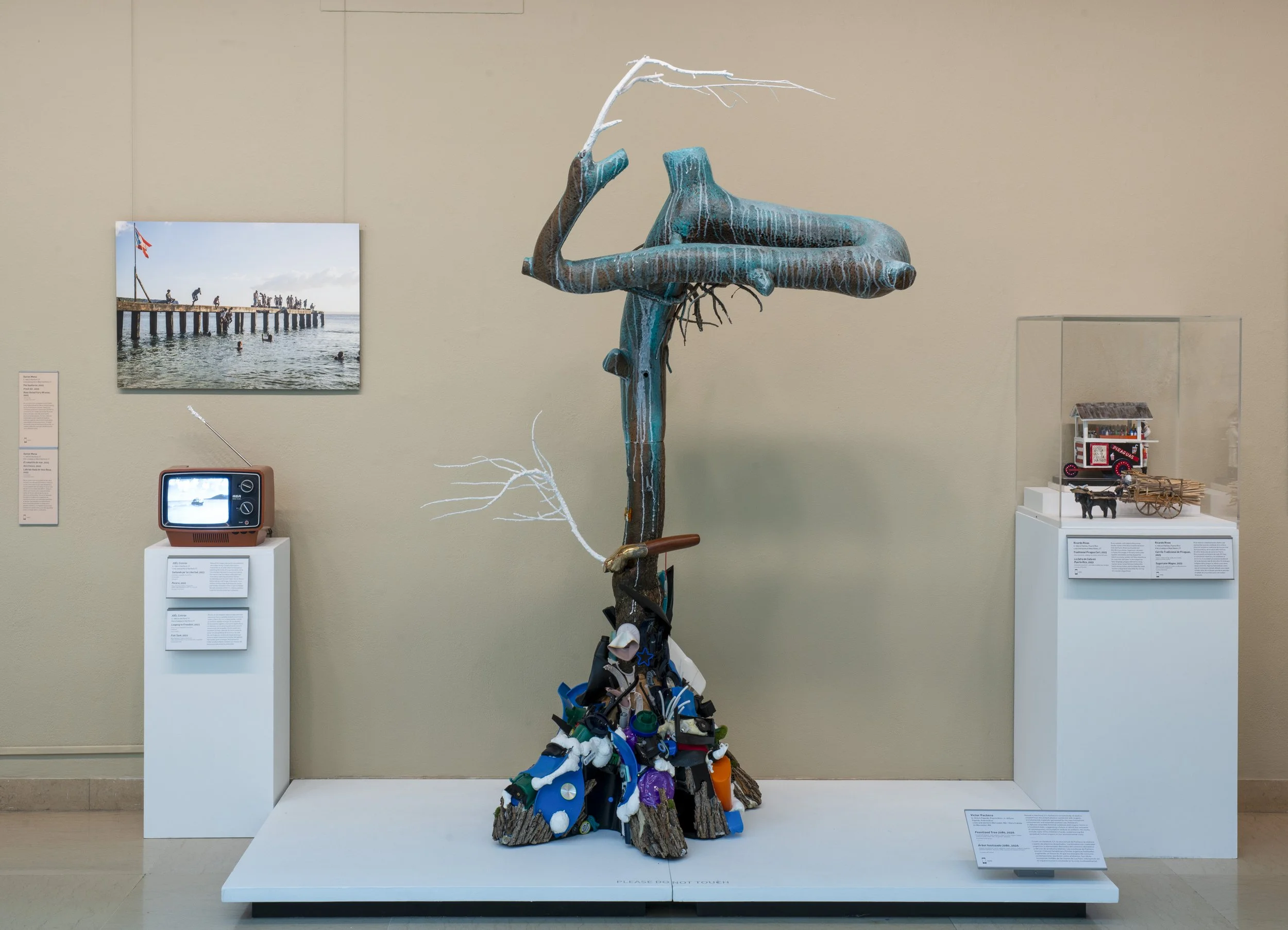
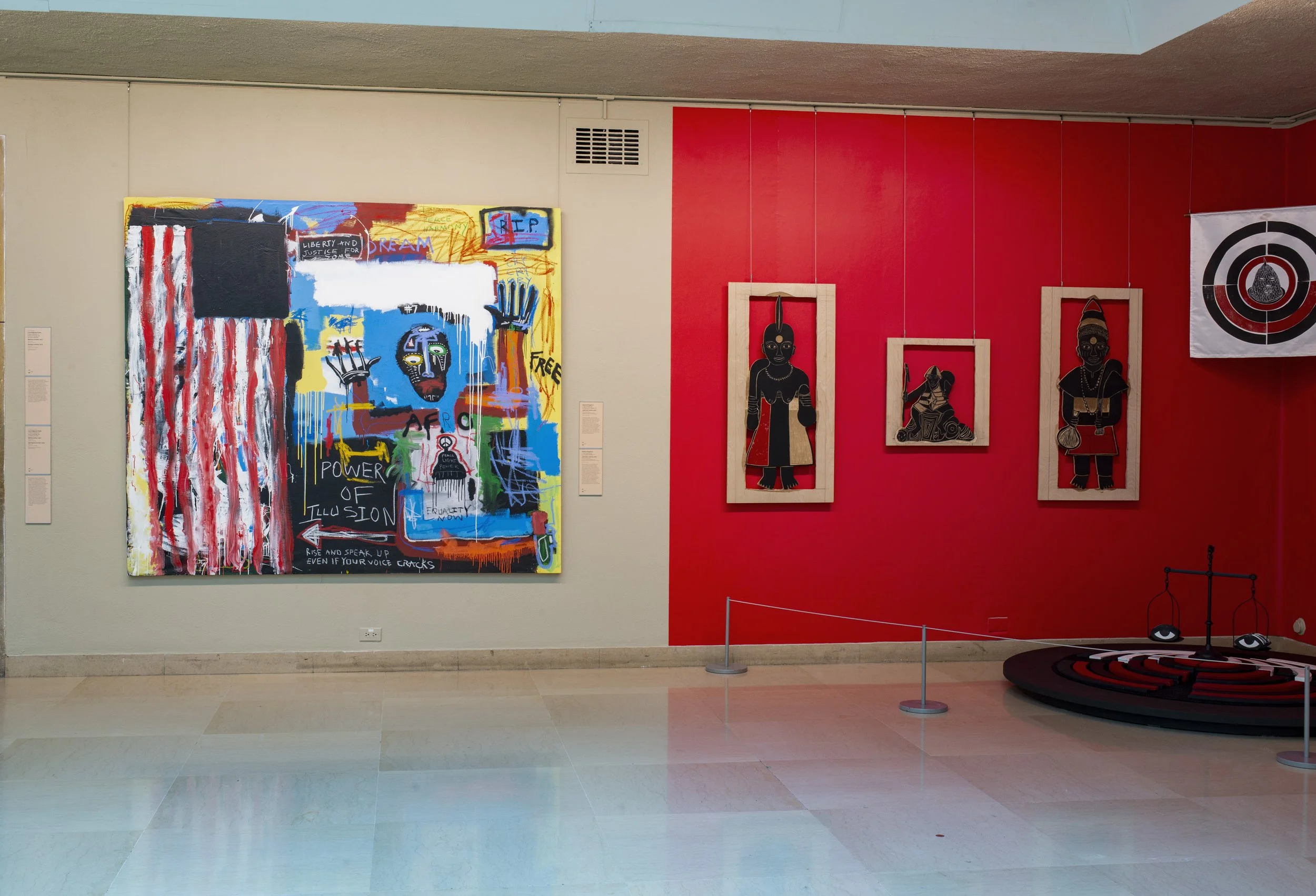
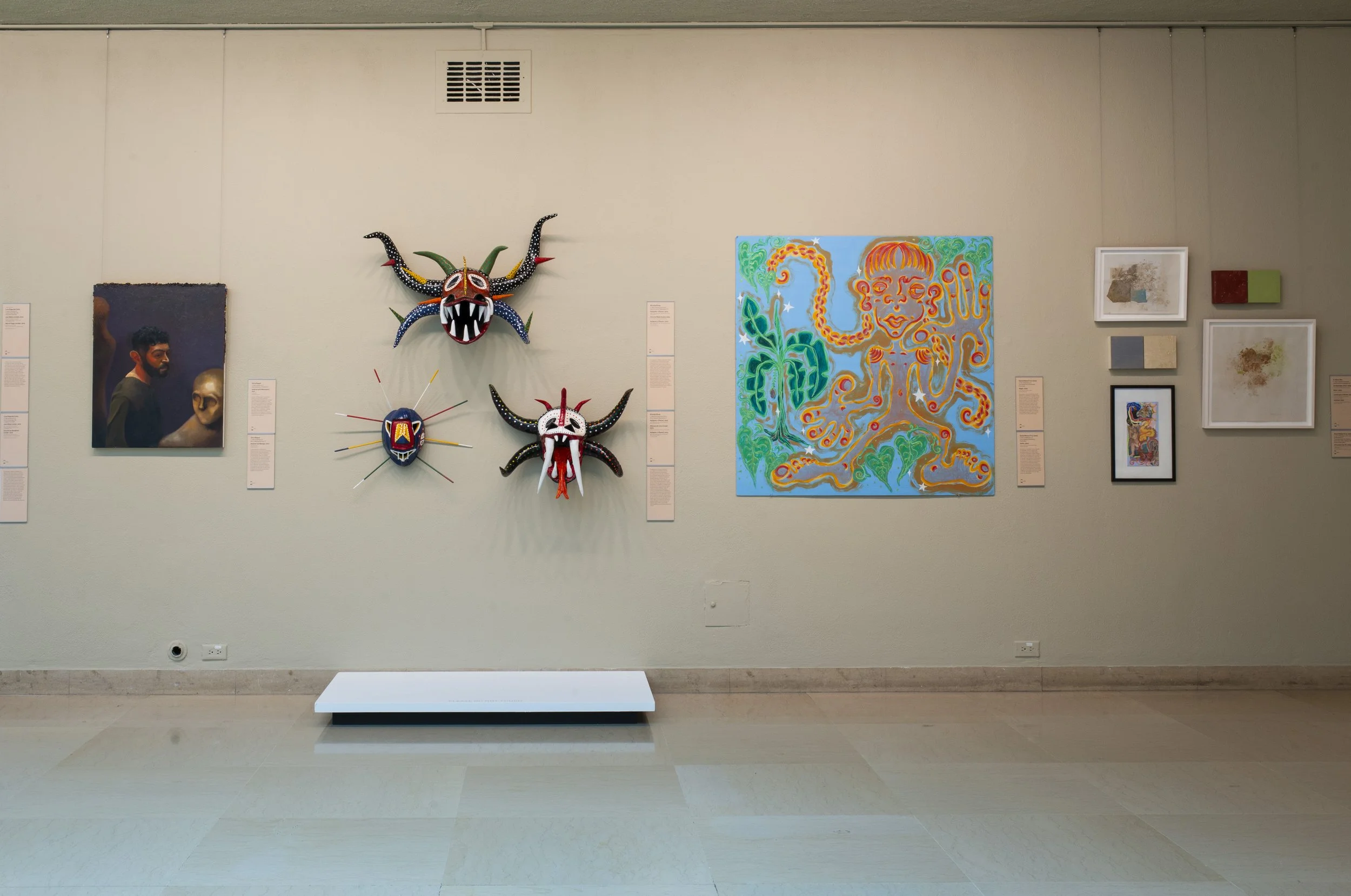
Photo courtesy of Allen Phillips/The Wadsworth
To learn more about the creative vision and ideas behind the exhibition, Cafeteria spoke with Agosto about their curatorial decisions and the process of bringing ¡Batey Boricua! to life.
reimagining the batey
The exhibition draws its name from the batey, a central gathering space for the indigenous Taíno people of Puerto Rico. Following the arrival of the Spanish in the late fifteenth century, these spaces were unsettled, but the spirit of the batey persisted in other forms of communal gathering. Within the grand hall of the Wadsworth, the17 Puerto Rican artists have restaged what a batey can look like: a space for conversation, inspiration, and belonging.
When asked what a batey meant to Agosto, they reflected on their own childhood memories and the communities and gatherings that shaped their understanding of such a space.
“I grew up going to a very small Puerto Rican and Dominican church in East Hartford in this tiny chapel,” she shared. “ That’s kind of early on what I witnessed as a batey kind of space. Growing up, I was really hungry to gather people and to create these cross artistic disciplinary and cross conversational spaces.”
¡Batey Boricua! occupies Avery Court, a long, high-ceilinged hall whose centerpiece is the museum’s iconic fountain and marble statue, Venus with a Nymph and Satyr. Against the backdrop of the towering statue and the museum’s legacy as an institution of prestige, Agosto took a site-responsive approach to the exhibition, considering the symbolism of Connecticut-born Puerto Rican artists claiming space, commanding attention, and inviting viewers to engage with their stories.
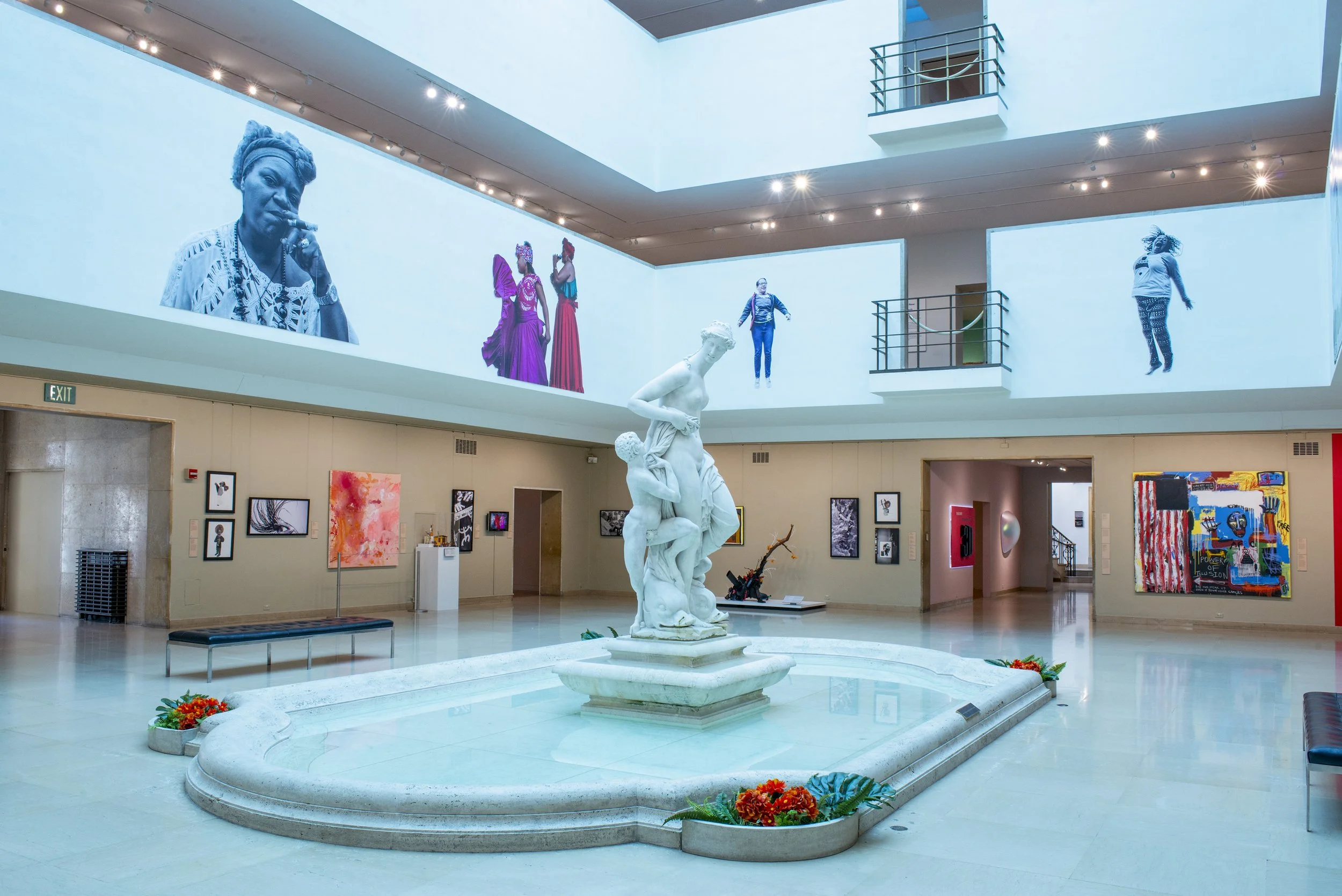
Photo courtesy of Allen Phillips/The Wadsworth
Sculptural and installation pieces play a particularly important role in realizing this vision. Victor Pacheco’s Takeover is a striking example. Pacheco assembles a pine tree trunk and an assortment of materials such as medical waste, plastics, and steel, with the branches extending outwards into a reaching fist cast from one of his children’s hands. Its sprawling form and unconventional materials makes it difficult to overlook, demonstrating how installation work can reorient the way audiences move through and experience a gallery.
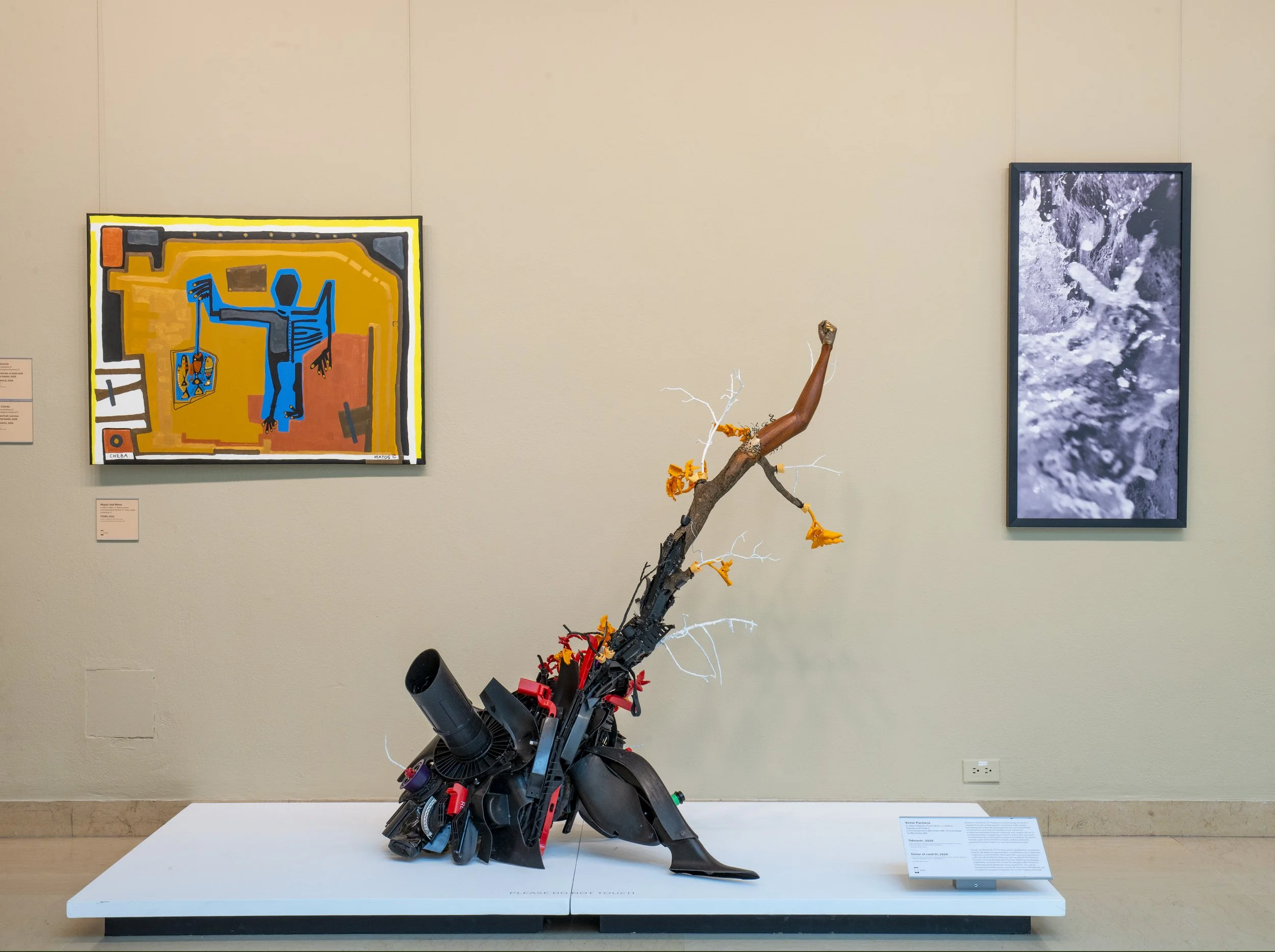
Takeover by Victor Pacheco
Photo courtesy of Allen Phillips/The Wadsworth
from roots to flight
The exhibition places particular emphasis on Afro-Indigenous Puerto Rican identities, artistry, and stories. Agosto spoke about the intentionality behind this focus, pointing to the Indigenous roots of the words batey, Boricua, and Borikén — terms that remain part of Puerto Rican vernacular and reflect an enduring connection to Indigenous ancestry in the face of colonialism.
“It’s also a way to speak locally to indigenous communities right here in Hartford. We're right on the Connecticut River and Connecticut comes from an Algonquin indigenous word. Like how do we really tap in and understand the tapestry of indigeneity in Connecticut as well?”
Several works throughout the exhibition speak to this Afro-Indigenous identity. Imna Arroyo’s Èṣù-Ẹlegbá installations, for instance, portray Elegguá, an orisha (deity) in Yoruba mythology.
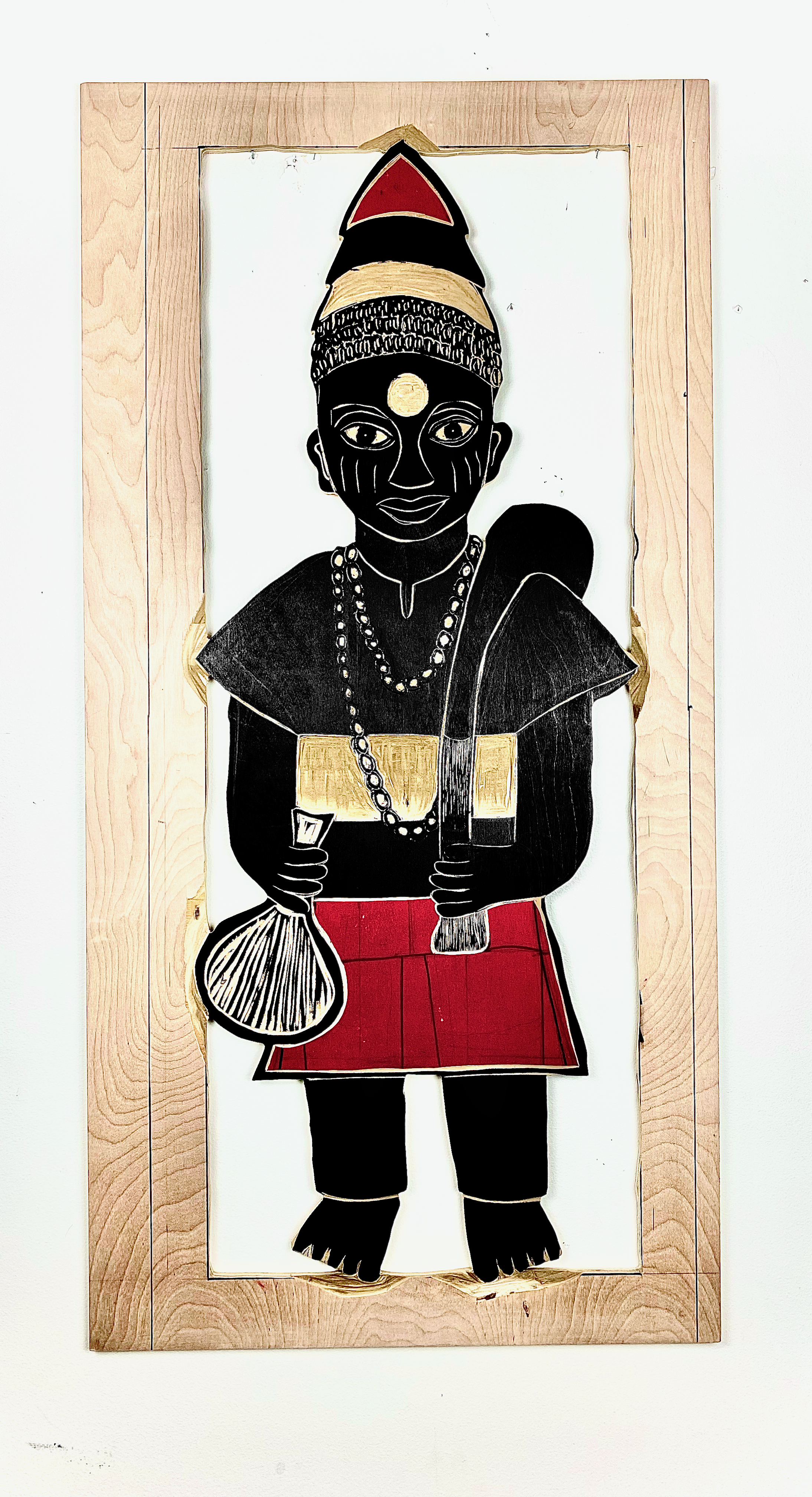
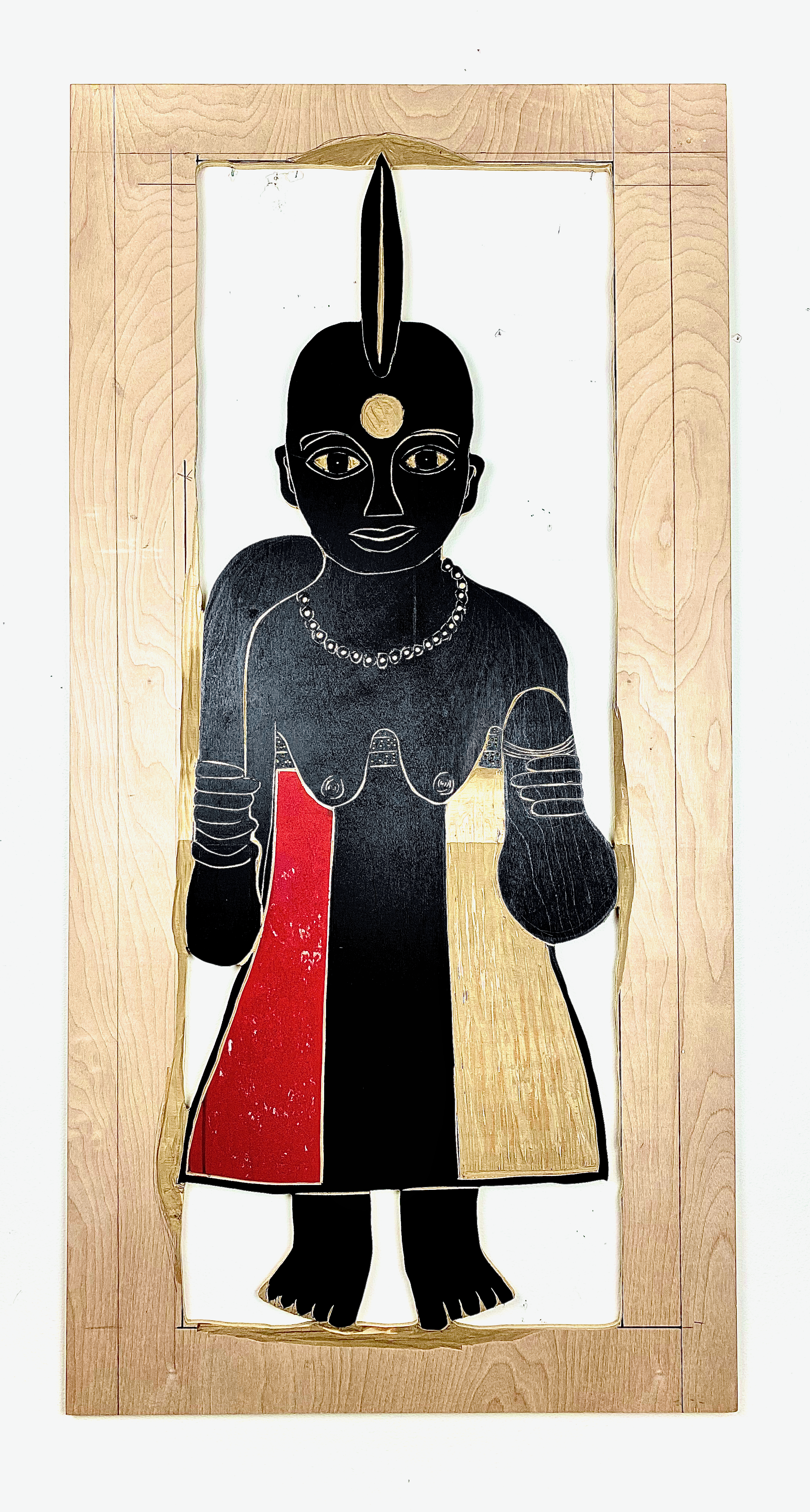
Imna Arroyo artworks from Èsù Elegbá installation, 2022:
Eshú He/Him, 2022 acrylic on wood, 48 x 24 inches
Eshú She/Her, 2022 acrylic on wood, 48 x 23 inches
Another compelling example is Yo Soy Boricua, a self-portrait photograph by Tia Correa. The photograph is an act of self-affirmation, with its title declaring Correa’s identity and her decision to place herself at the center of the frame.
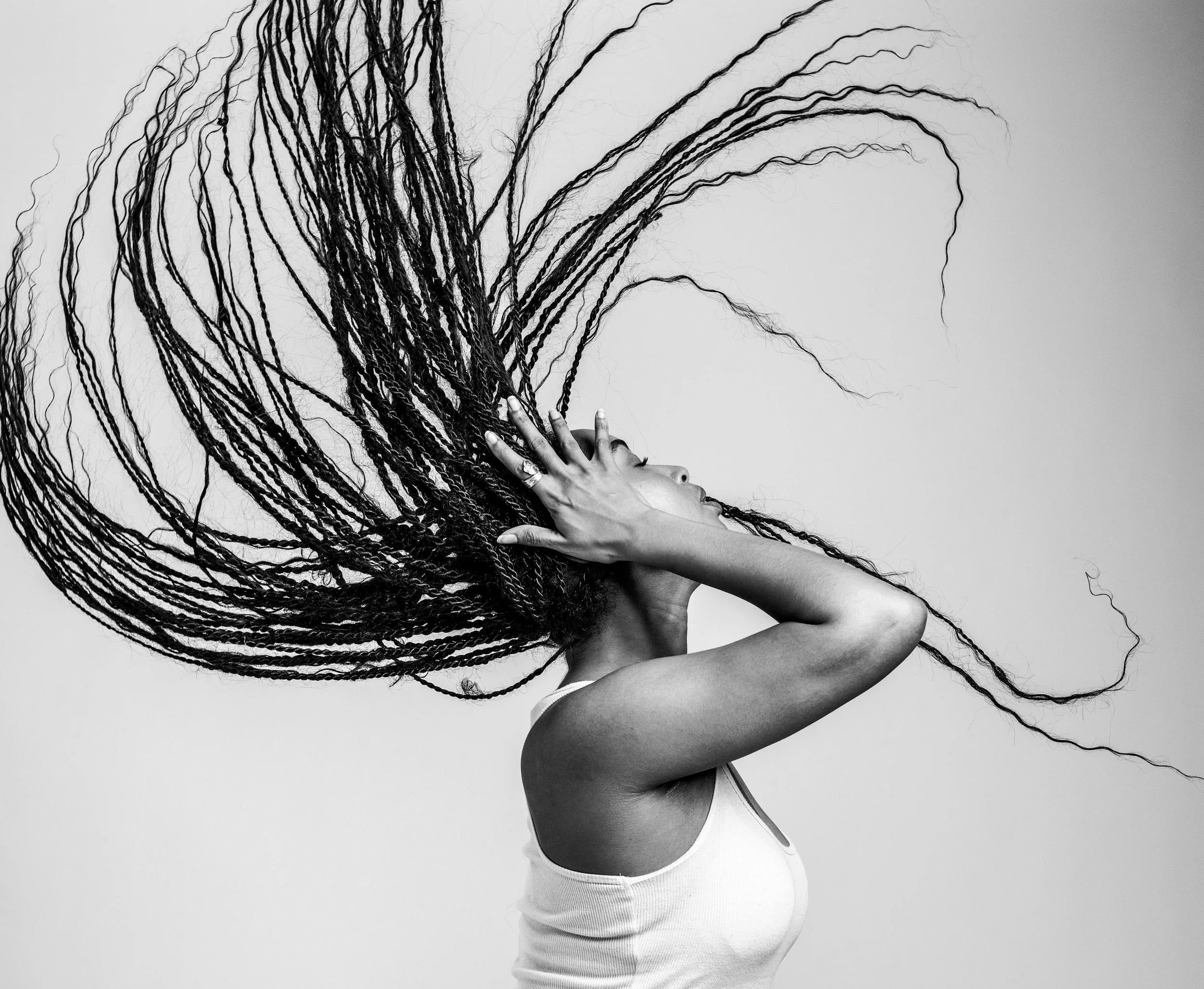
Yo Soy Boricua, Tiana Correa, 2025, photograph, 18.9 x 15.53 inches
When asked what Agosto hoped visitors would take away from ¡Batey Boricua!, she first emphasized the importance of self-representation: for Puerto Ricans to see themselves reflected in the museum’s long halls, and to encounter their own cultures, histories, faces, and stories within its walls.
For broader audiences, Agosto hoped the exhibition would convey the diversity and complexity of Puerto Rican identity. Moving through the galleries, visitors encounter a sense of transformation and transmutation. Puerto Rican identity emerges as fluid, multifaceted, and continually evolving — resisting any single definition or expectation.
“I want people to get this sense of feeling light. Of feeling like they could levitate, like there's possibility, there's color, and energies that emerge from things that are a little bit heavier, darker. That’s really important to me, for people to experience this heaviness into lightness, this transcendence from what is hard and heavy to what is possible.”
One work that exemplifies this movement from heaviness to lightness is Luis Edgardo Cotto’s Upper Left Levitate, a photograph in which subjects appear to defy gravity. Playful and almost cheeky, the image also carries a sense of freedom and spiritual release. Suspended in midair, the subjects lift their faces towards the sky, their chests and hearts open. A fleeting gesture becomes something lasting — a moment of weightlessness that embodies the possibility of rising above what weighs us down.
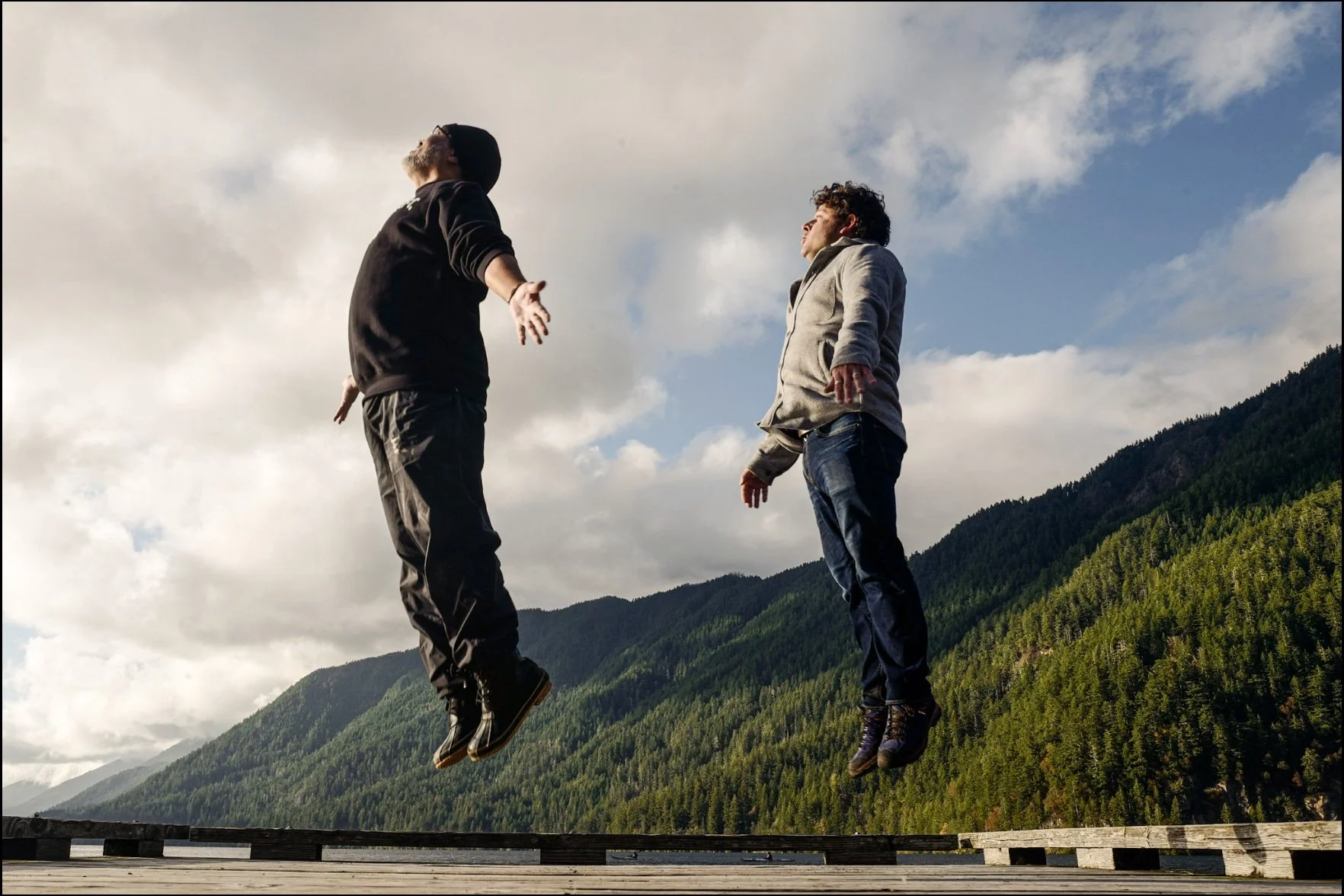
Upper Left Levitate, Luis Edgardo Cotto, 2021, Port Angeles, WA, Subjects: Luis Cotto and Steve Ginsburg, photograph, 12.25 x 18.17 inches
¡Batey Boricua! is on view at the Wadsworth through February 7, 2027, alongside The Sense of Beauty: Six Centuries of Art from the Museo de Arte de Ponce, which runs from November 6, 2026 through March 14, 2027. Together, the exhibitions offer visitors an opportunity to explore Puerto Rican art across generations, bringing historical traditions into conversation with contemporary artistic practices.