

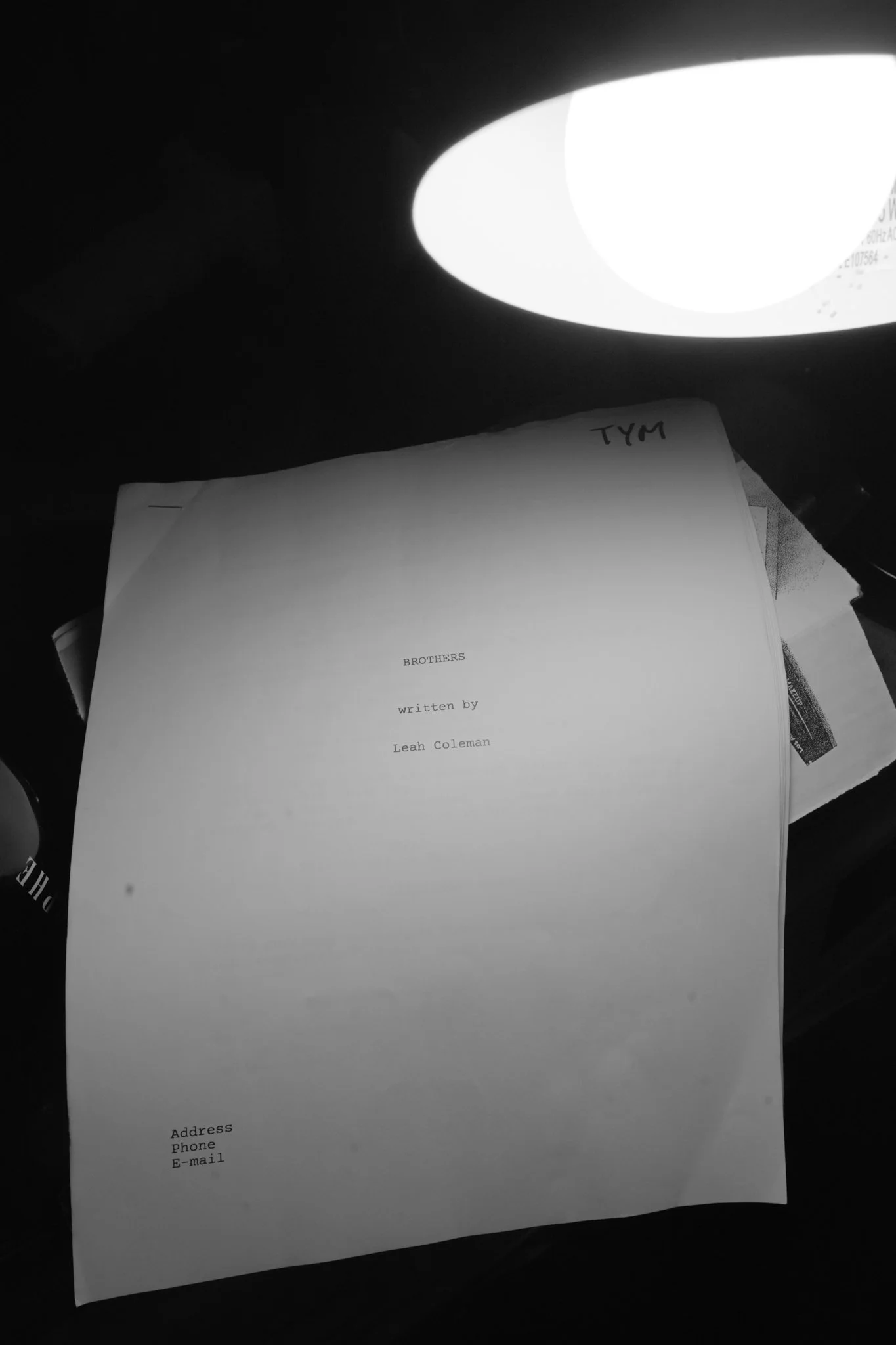
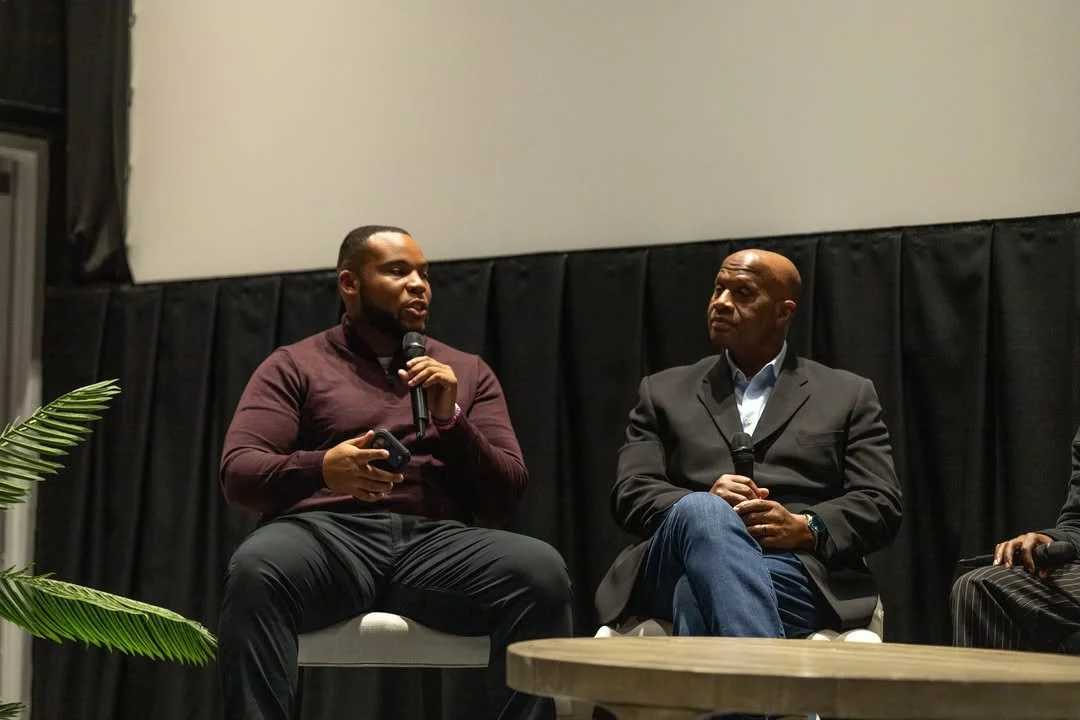
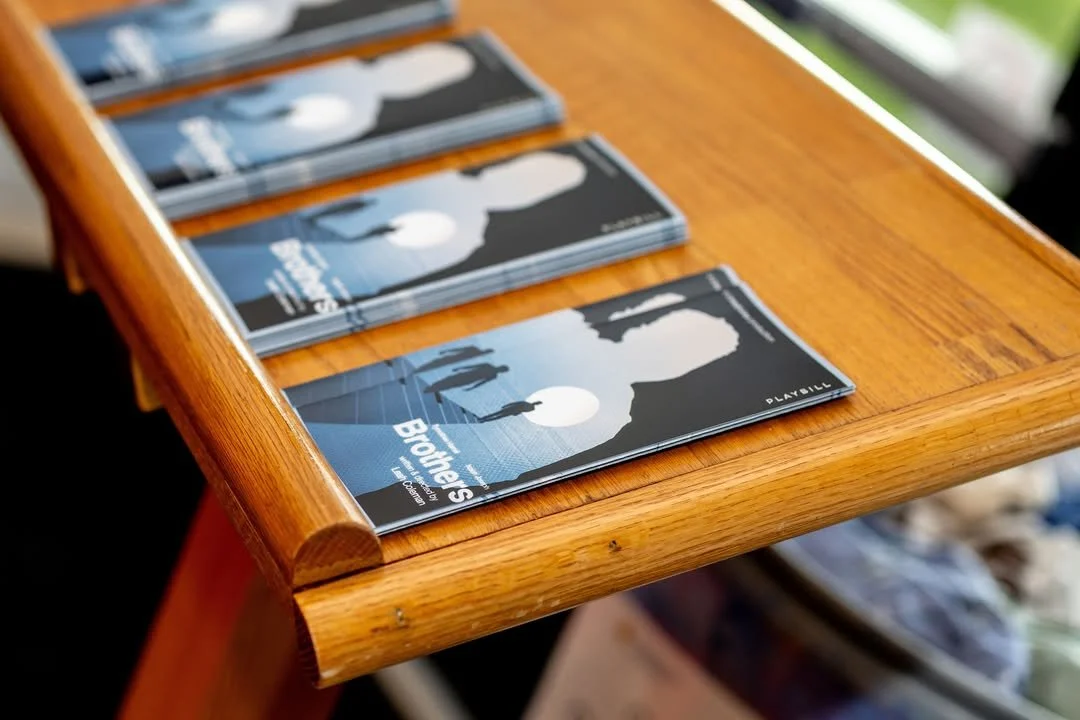
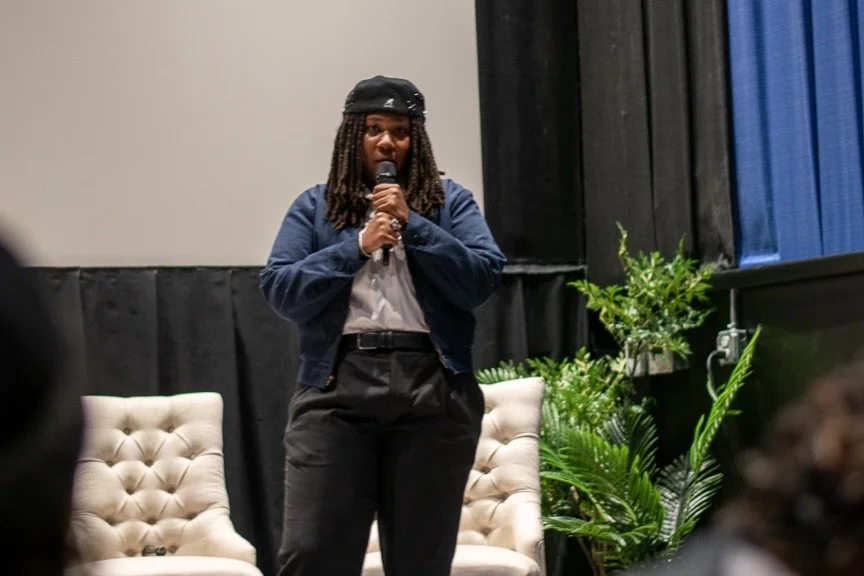
Hosted at the Flint St. Community Theatre, Leah Coleman, better known as the founder of her production company, CreativeLee, and the media head of the New Haven-based collective Future Royalty Entertainment, invited us to the world premiere of her second short film, “Brothers.”
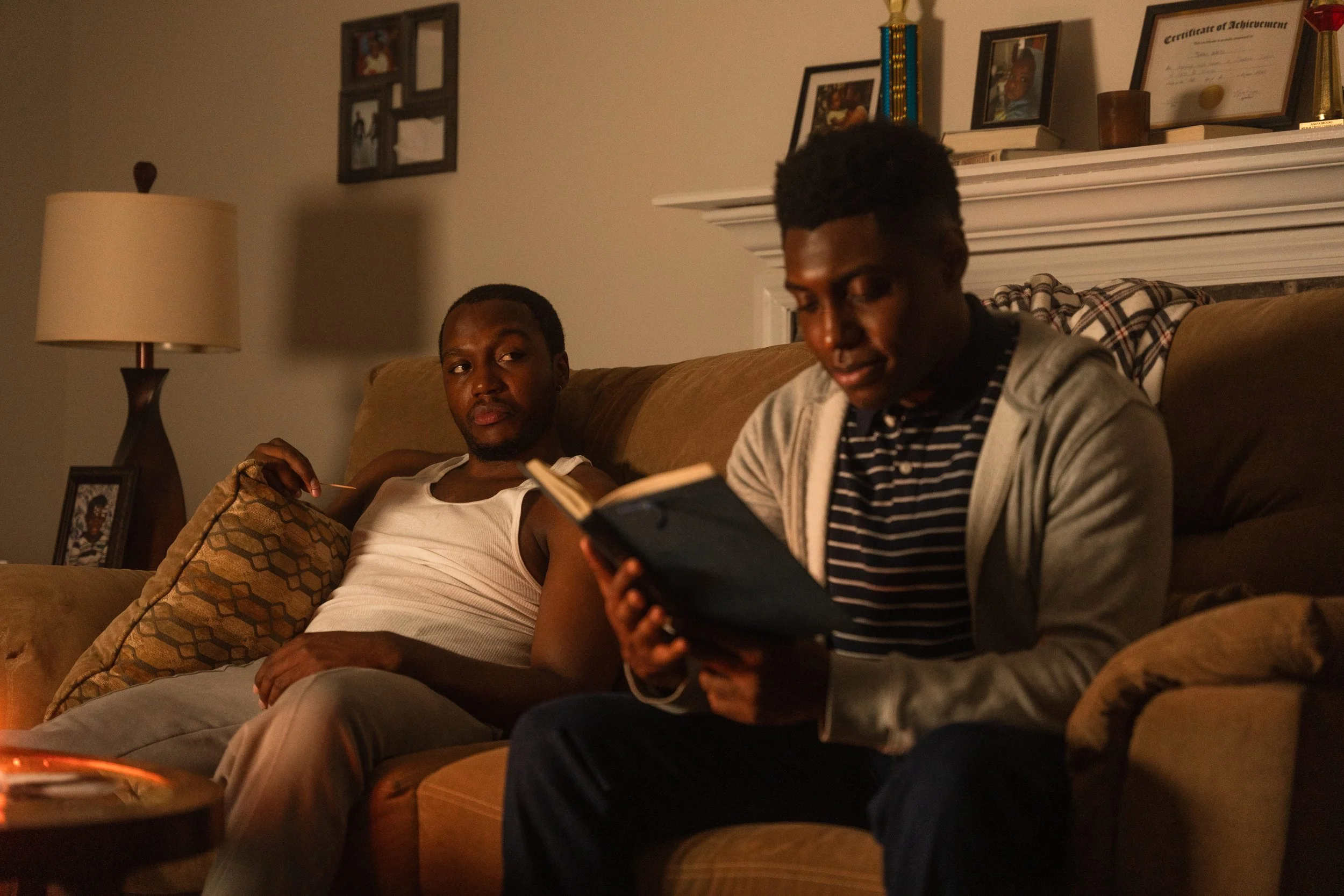
Photo Courtesy of Leah
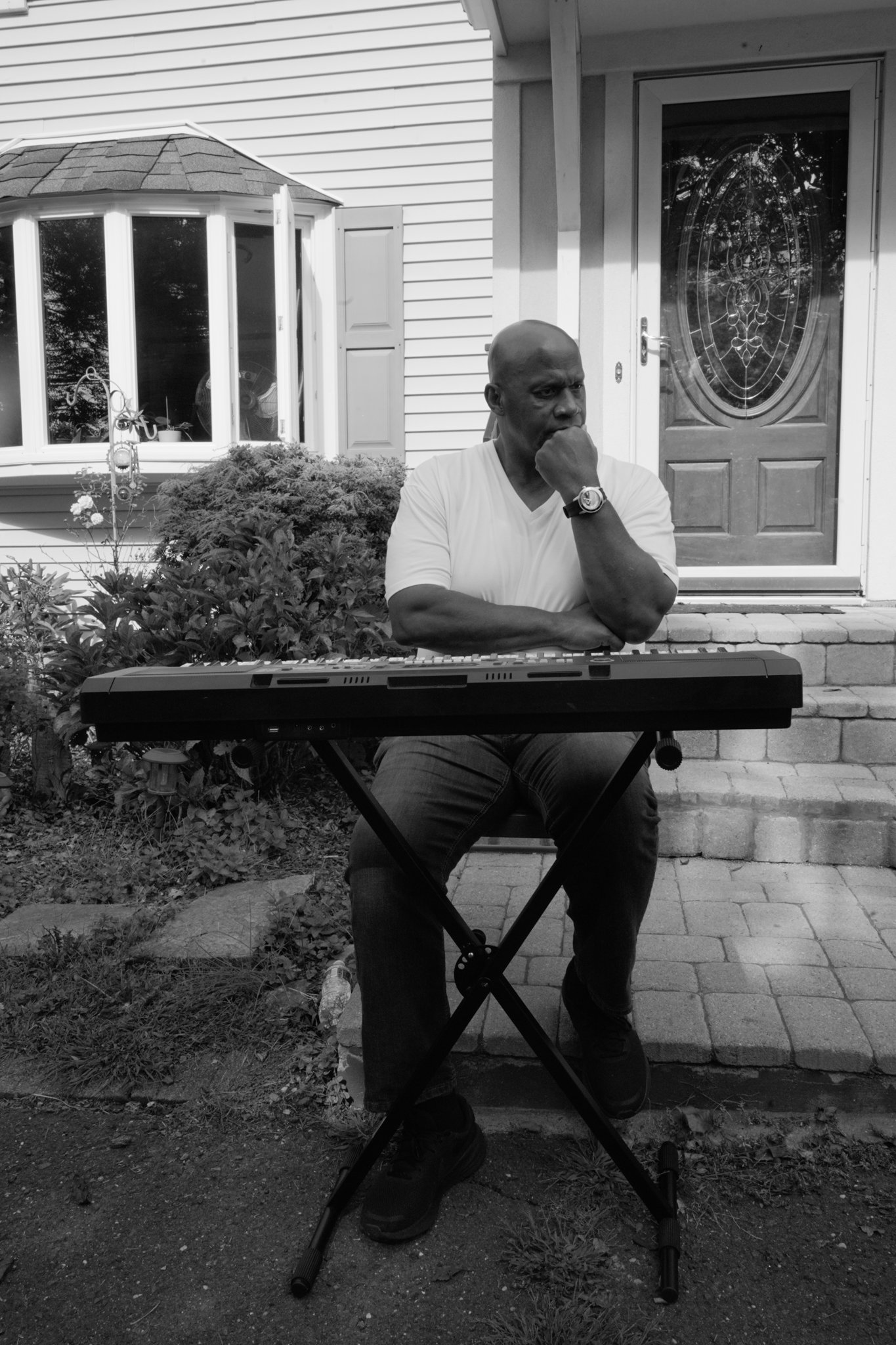
Brothers examines masculinity in the Black community and how it shapes young Black men’s self-expression. Terry (played by Tymothee Harrell) pursues piano lessons despite his brother Kane (played by Isaiah Joseph), but he ends up in a dangerous situation that costs two lives.
The film explores violence, abuse, and masculinity, all in under an hour. It leaves you reflecting on the conversations we try to avoid and the consequences of doing so. While it’s by no means an easy watch, the heavy themes and moving performances pull you into the story and make you wish you could intervene somehow.
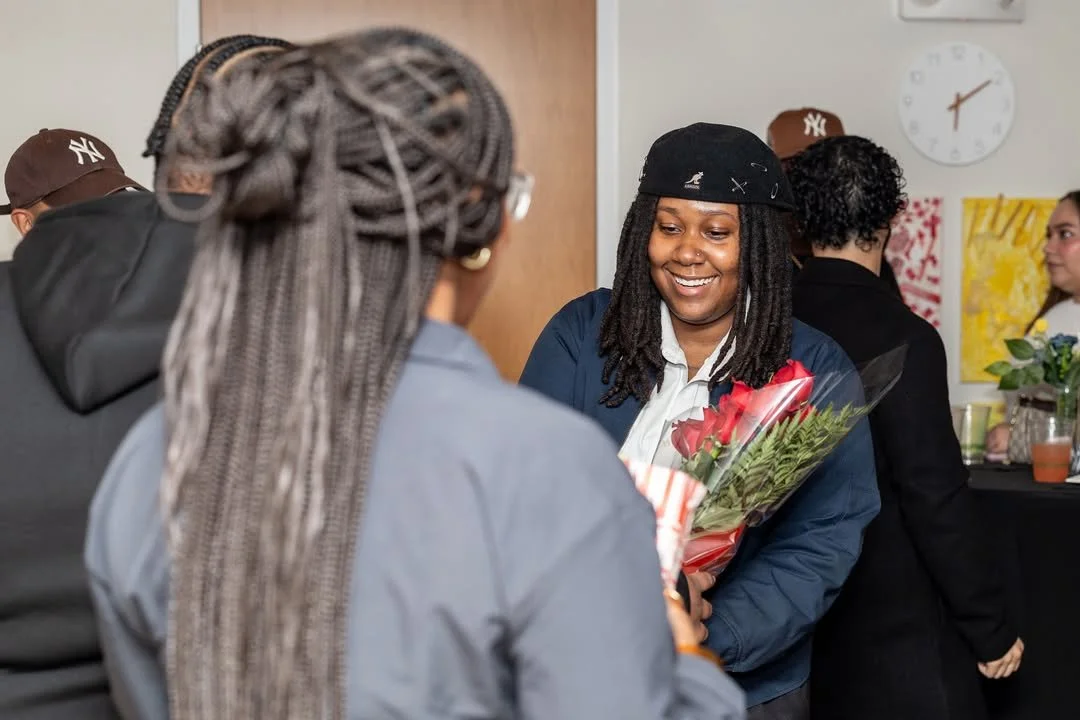
With a premiere backed by and built alongside her community, the entire experience felt like a warm hug. Sponsored by Prime BGR, with free libations, and supported by “Stray,” a company built to connect indie filmmakers with their audiences, along with a few others, it was clear Leah values connecting with her peers to build something greater.
That trait is what’s so admirable about the coming generation of artists: their willingness to collaborate.
To hear more, we sat down with Leah to discuss the film's production and her feelings post-release.
How did you develop the film's visual language (color palette, framing, camera movement)?
LEAH:
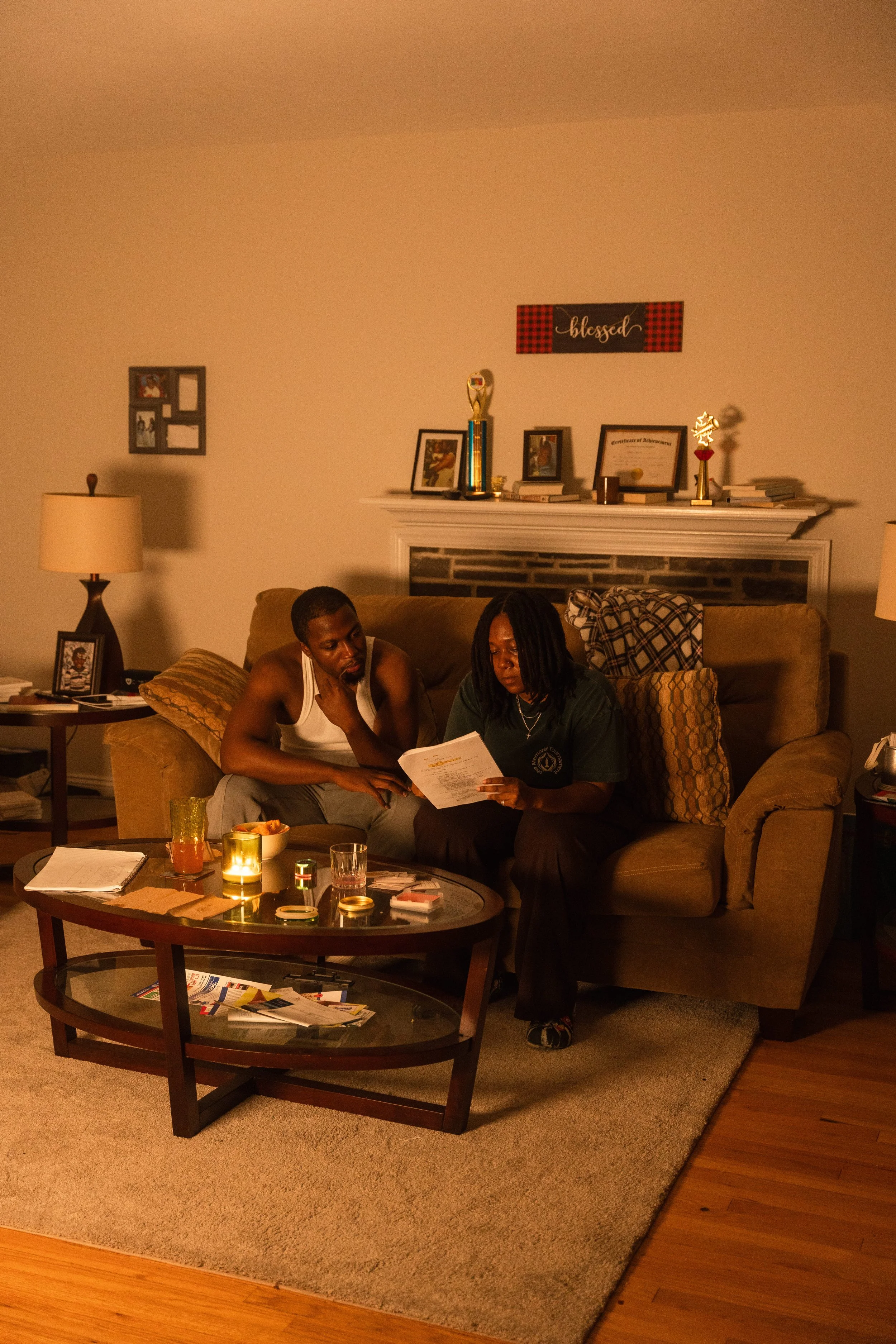
I love films with abstract palettes that you remember quickly, so we experimented a lot with the lighting. Lighting was super important during production; for example, when Terry sits at the table, drowned in red, he sees red, and I wanted the audience to feel that. Or the last scene of Terry going to play the piano after all that has happened—that orange, yellow, heavenly look was intended to feel like a hug after all he’d been through.
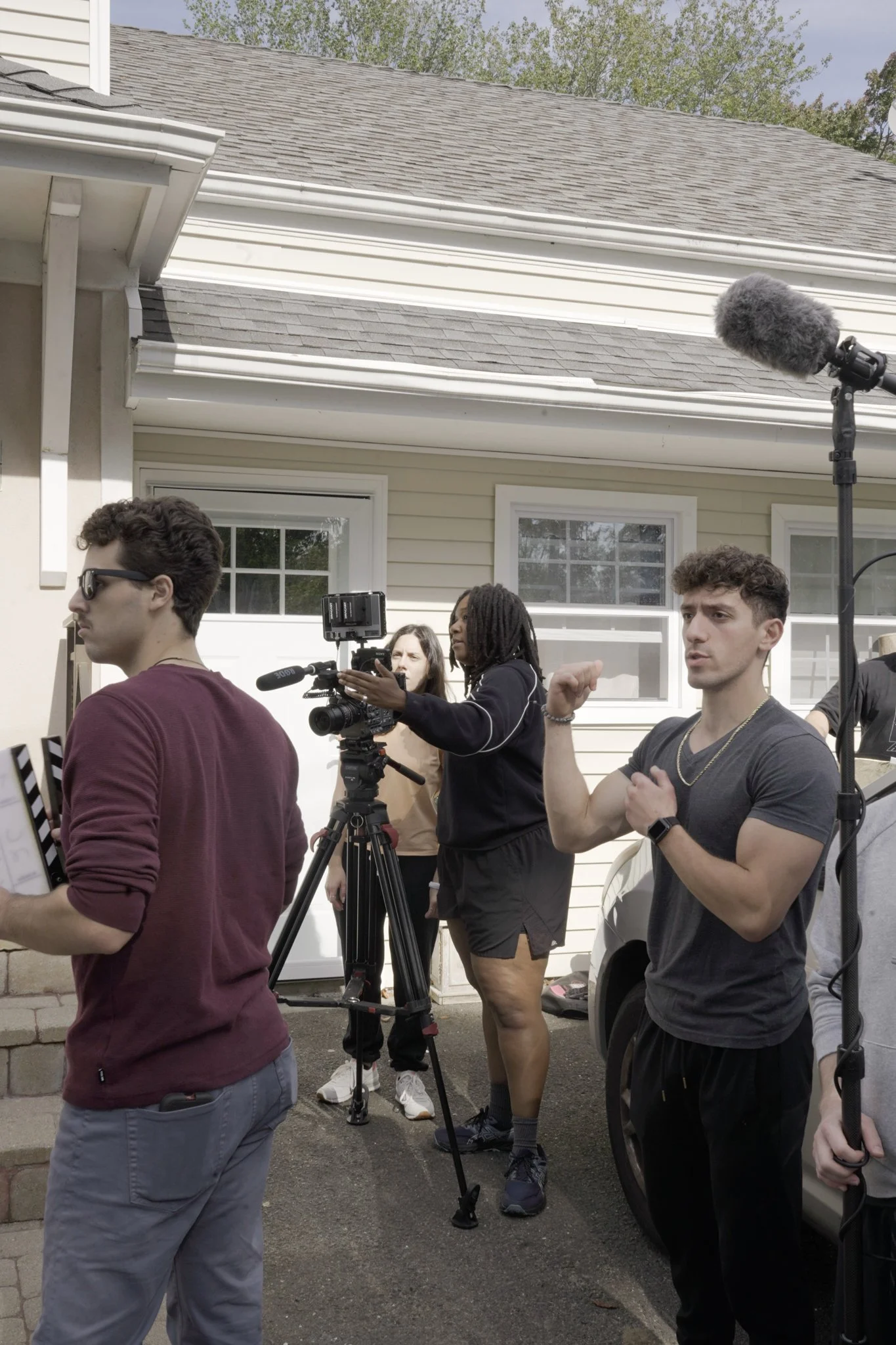
I also kept framing in mind when shooting. I got to be the Director AND Director of Photography for a day, giving actors guidance and shooting shots behind the camera myself. A lot of tension plays through the film, so I used close-ups and tilted angles to emphasize certain interactions. One scene that exemplifies this is when Spark gives Terry the book, and Terry feels closest to him; he finally feels seen, then I purposely framed the shot so that when Spark touches Terry’s shoulder, we realize his hand is there a little too long. In moments when characters are hurt, upset, or anxious, I wanted to get closer to them rather than stay wide to highlight those emotions and track how they shift.
BTS Photos Courtesy of Leah
Which particular filmmaker has influenced you the most?
LEAH:
Once I realized I wanted to do filmmaking, Issa Rae became my biggest influence. I started watching Insecure right as I was beginning film school, and it felt like divine timing. She does so well at making hardships carry humor. Her work feels relevant now and will still feel relevant 10 years from now; I want my audience to watch something I’ve made and still relate.
I’m more than flattered that my nickname is after the one and only Spike Lee, but I know there is only ONE Spike Lee. I appreciate his work because it’s loud, unorthodox to “textbook filmmaking,” colorful, potent, and made for himself and his people, nobody else. I embody that spirit; I’m passionate about ideas that have something real and raw to say. Things that are FOR US and BY US.
In a time when art becomes content made for everyone else, I love going back to what Spike Lee did when nothing mattered but the message. I want my work to have that effect.
What difficulties (if any) did you face while shooting?
LEAH:
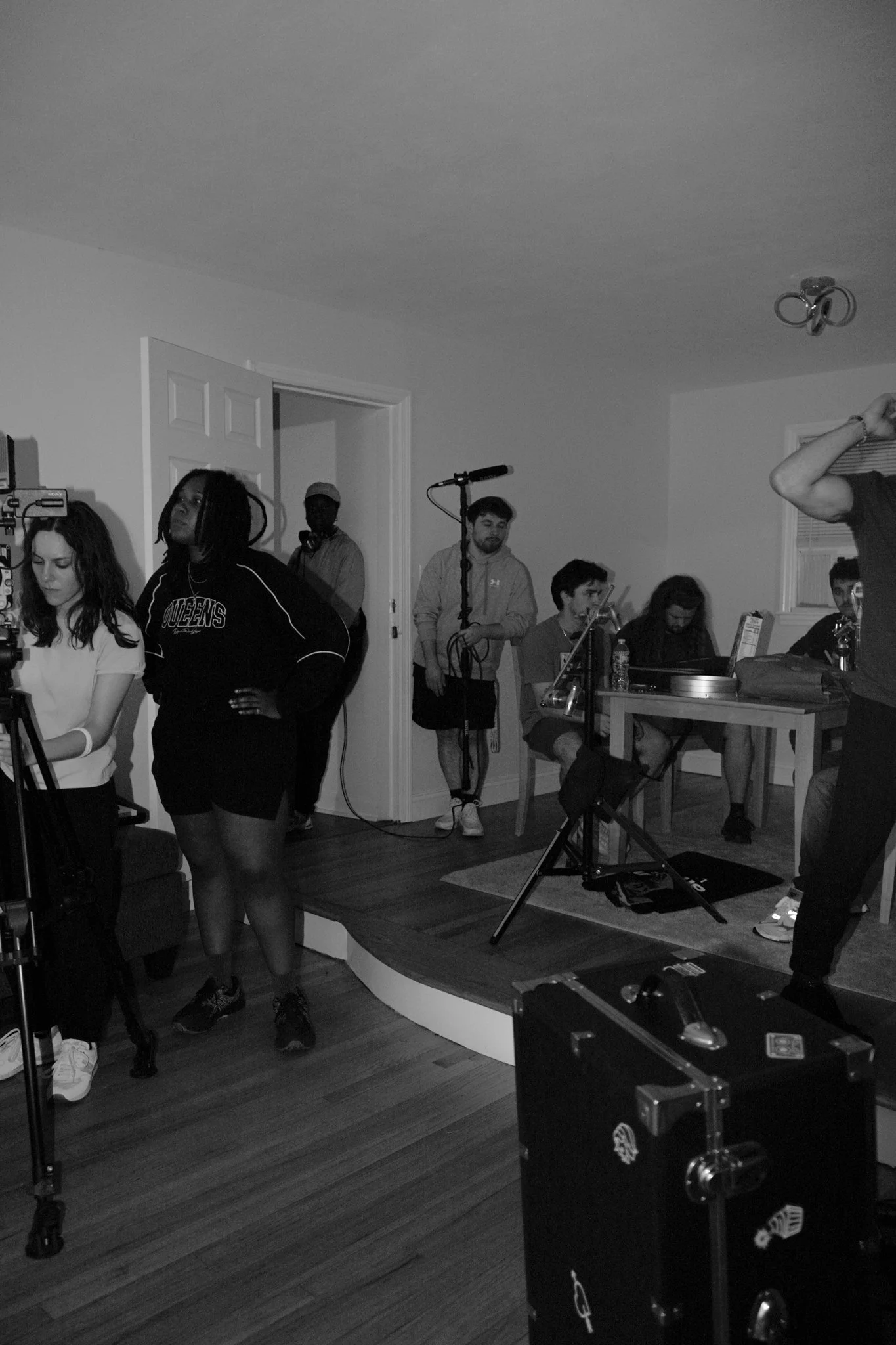
The biggest challenge was beating the clock and making the most of our day. We split the two shoot days by filming all of Kane and Terry’s scenes on day one, then all of Spark and Terry’s scenes on the other day. Another challenge was supporting the actors during the more intense scenes. Twelve hours goes by quickly when you’re hyper-focused on set, so making sure everything got done quickly, effectively, and with their well-being in mind was important.
Can you describe your creative process and how it has evolved?
LEAH:
I spend a lot of time daydreaming, and when a vision becomes vivid enough, I write it down so I don’t forget. I didn’t realize this habit was part of my creativity until recently, because I spend a lot of time in my own head anyway. When ideas, visions, colors, and atmospheres stick, I doodle, research similar things, and get inspired.
I also get daily inspiration from everyday interactions. I’m inspired by sitting outside and listening to my surroundings and nature whenever I can. Over time, I've realized that creativity comes with a lot of manifestation and belief. I can have an idea, but I believe in drawing in the tools to make it even better than I could have imagined. I’m not logical when it comes to these creations; I go off what’s in my body and my heart, and I let the world show me whether I’m doing it exactly how it’s meant to be.
What made you need to tell this specific story?
LEAH:
I’ve always had this lingering thought that this topic in the Black community doesn’t get addressed. There is a dark layer of trauma, of people not being comfortable with themselves, and using others to fill that void, even without their permission, and it’s sad.
I hate knowing this sits on so many people’s chests and alters their worlds forever.
I wanted to show that it begins with a man who wants to play the piano. Something so simple, yet so hard for him to do; so many Black people, especially Black men, go through this. That poking and prodding leads him to close off part of himself, and he becomes ashamed because of what others expect. Those are the catastrophic moments: when people who love you deny you permission to be yourself.
When you get denial in one area but not another, that new space and feeling can feel liberating, and your sense of danger is completely off because you’re getting the chance to feel what you thought you never could. I think Black people know this feeling all too well in so many different ways; this part of the conversation is huge, but there are so many more conversations to have.
All in all, I needed to tell this story because I don’t see anyone else telling it, and why not me? If I can use my craft to start the conversation, that’s even more reason to do it.
What do you want the audience to think about after the credits roll?
LEAH:
I want the audience to think about the people who come to mind when they watch, and I hope they check on them. Another part of this story is a lack of communication and understanding. I hope this opens the audience’s minds to do that more and to do it with good intentions.
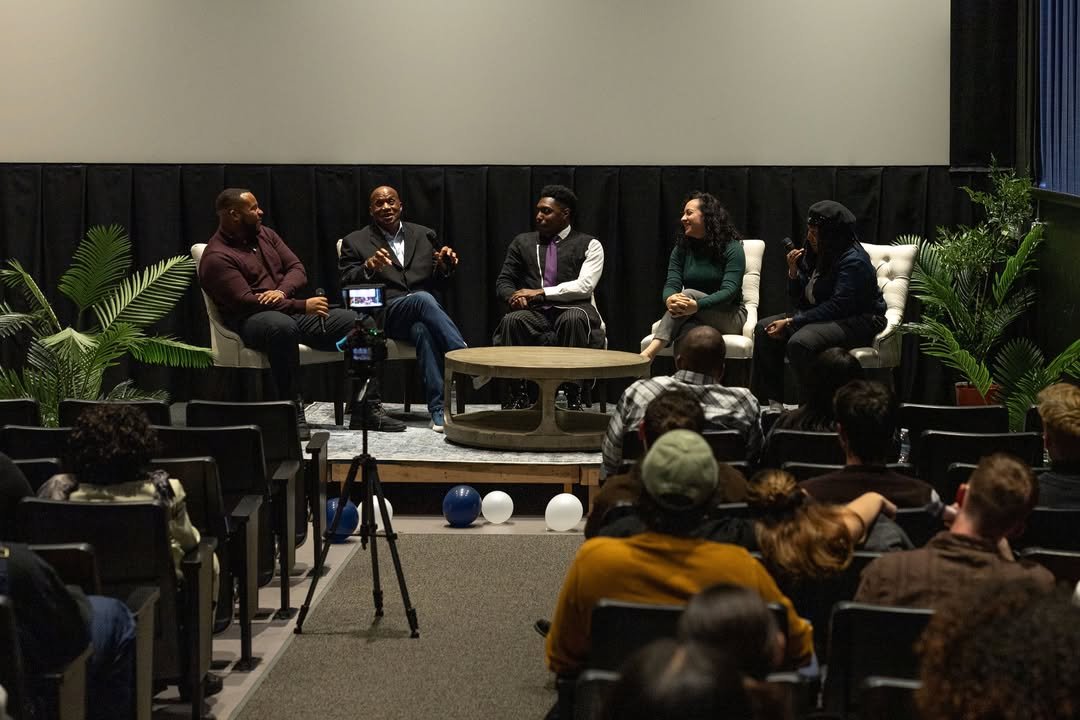
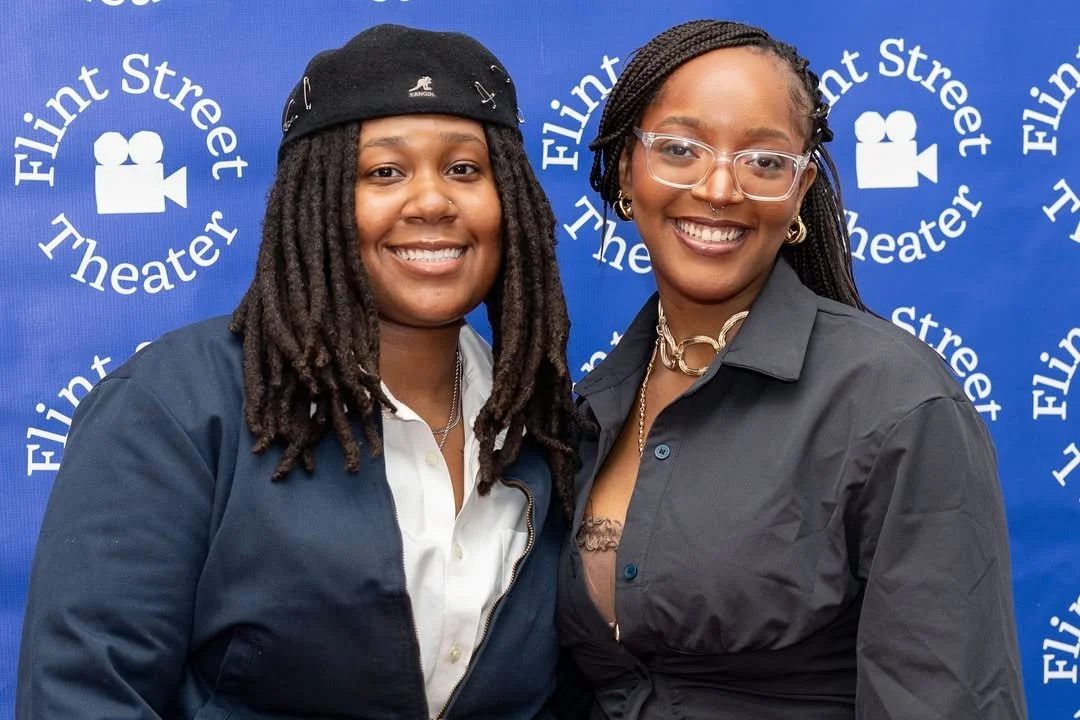
BTS Photos Courtesy of Leah / Premier Photos courtesy of @ea_motionz & @graysonicphotos
What is your best piece of advice to aspiring filmmakers trying to get their first feature made?
LEAH:
You will feel uncomfortable in rooms you think you don’t belong in, but show everyone why you’re there, and they will invest in your worth.
Don’t lose the idea of art for content and attention spans. If you make what you feel, that feeling will catch on with the next person, and the next, and the next.
Money helps a lot of filmmaking problems, but don’t let it burn you down. You can still do it without a million dollars.
Screw a rulebook for making a movie; make your movie. This industry is all about taste, and as long as you like what you’re making and it makes you feel like you’re contributing to the world, not destroying it, you don’t need a map for how to get there; follow your gut.
In the words of Future Royalty: “What else”?
LEAH:
I plan to submit Brothers to as many film festivals as I can and see what that does. After that, I want to tap into the other half of my brain: creative concepts and music videos. I want to collab with more women in the CT scene; I think it’s time for a takeover. Music videos are one of my first loves, and combining music with filmmaking is a dream come true for me. Long-term, I’d love to help on more short films, and if I get the opportunity to make more, I want to. I also do cinematography, and if I can help shoot someone’s project, that would be fire.
My biggest goal is to make a feature film. I’ve done two shorts, and I think I want to go for something over an hour, maybe even two. That takes a lot of big steps, but I want to travel, meet people, and share my next idea! Hopefully I get that one yes that will allow it to happen, and we’ll go from there :)
After witnessing such a monumental moment for her, we’re beyond excited to see more from her and watch her career blossom! We’ve also heard talks about an upcoming premiere in Rhode Island - so keep an eye out for that!
