

THE CARIBBEAN HERITAGE MUSEUM SHINES A LIGHT ON THE HIDDEN STORIES OF IMMIGRANTS
MORE THAN JUST A HOME AWAY FROM HOME, THE WEST INDIAN SOCIAL CLUB PRESERVES HISTORY AND HERITAGE
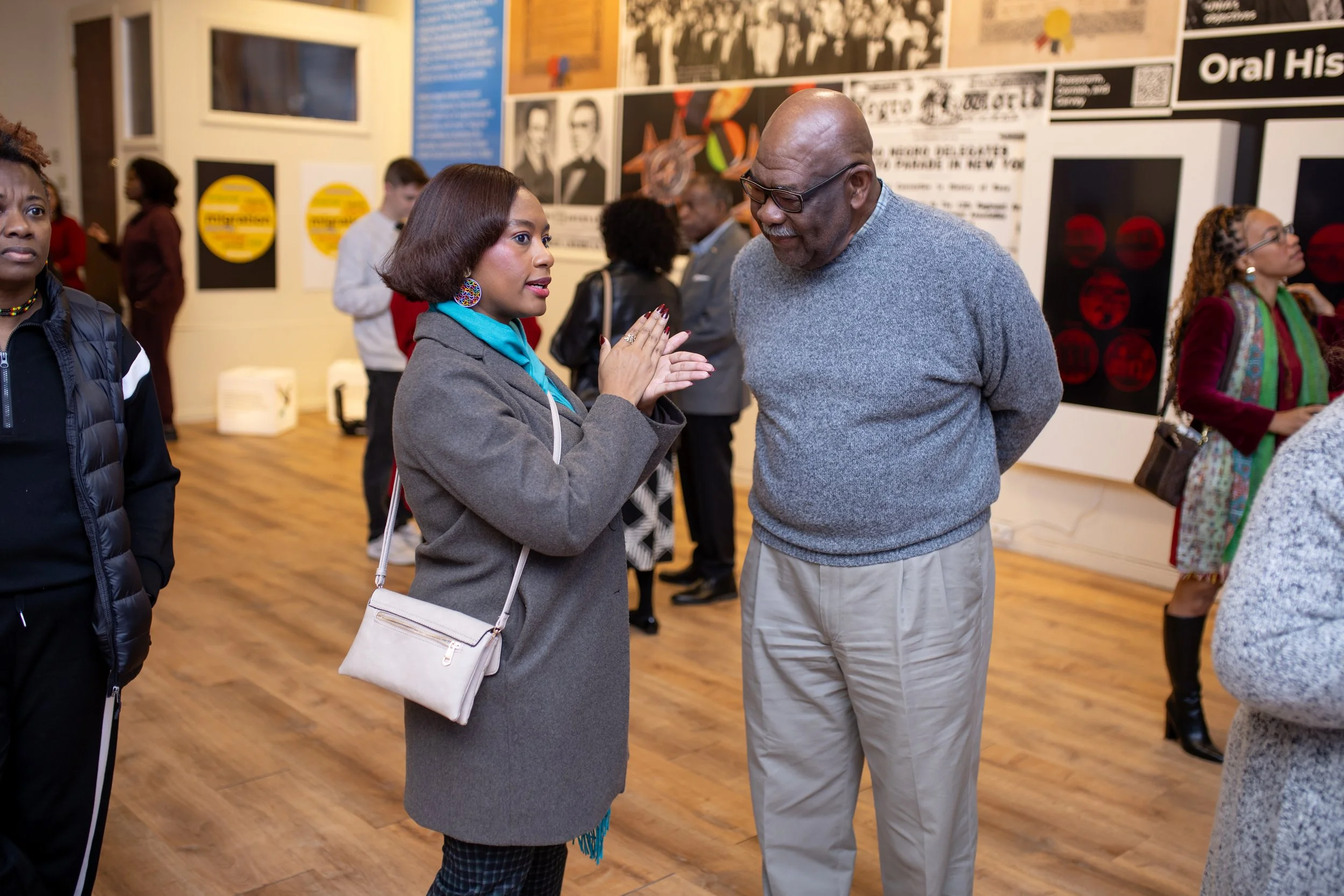
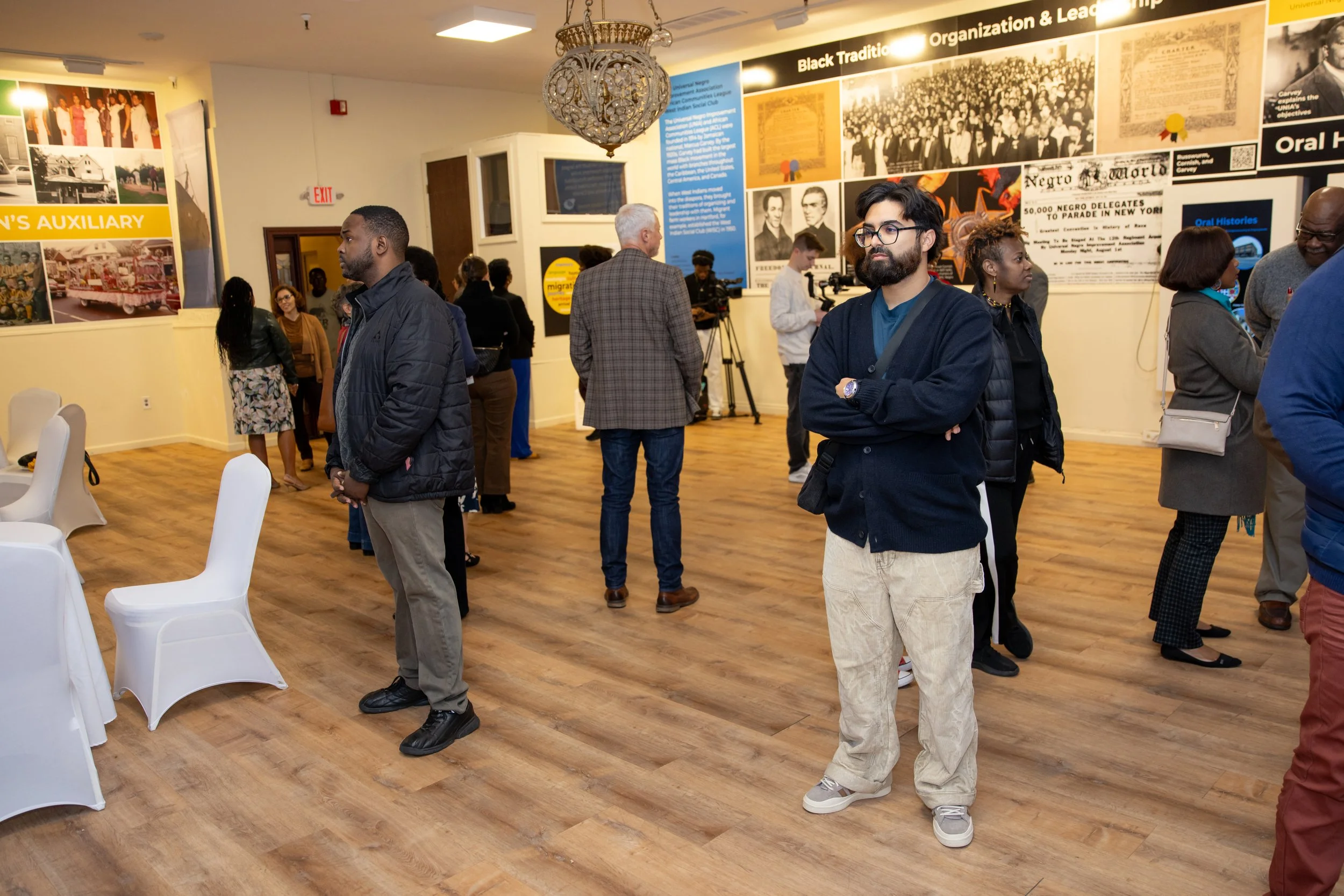
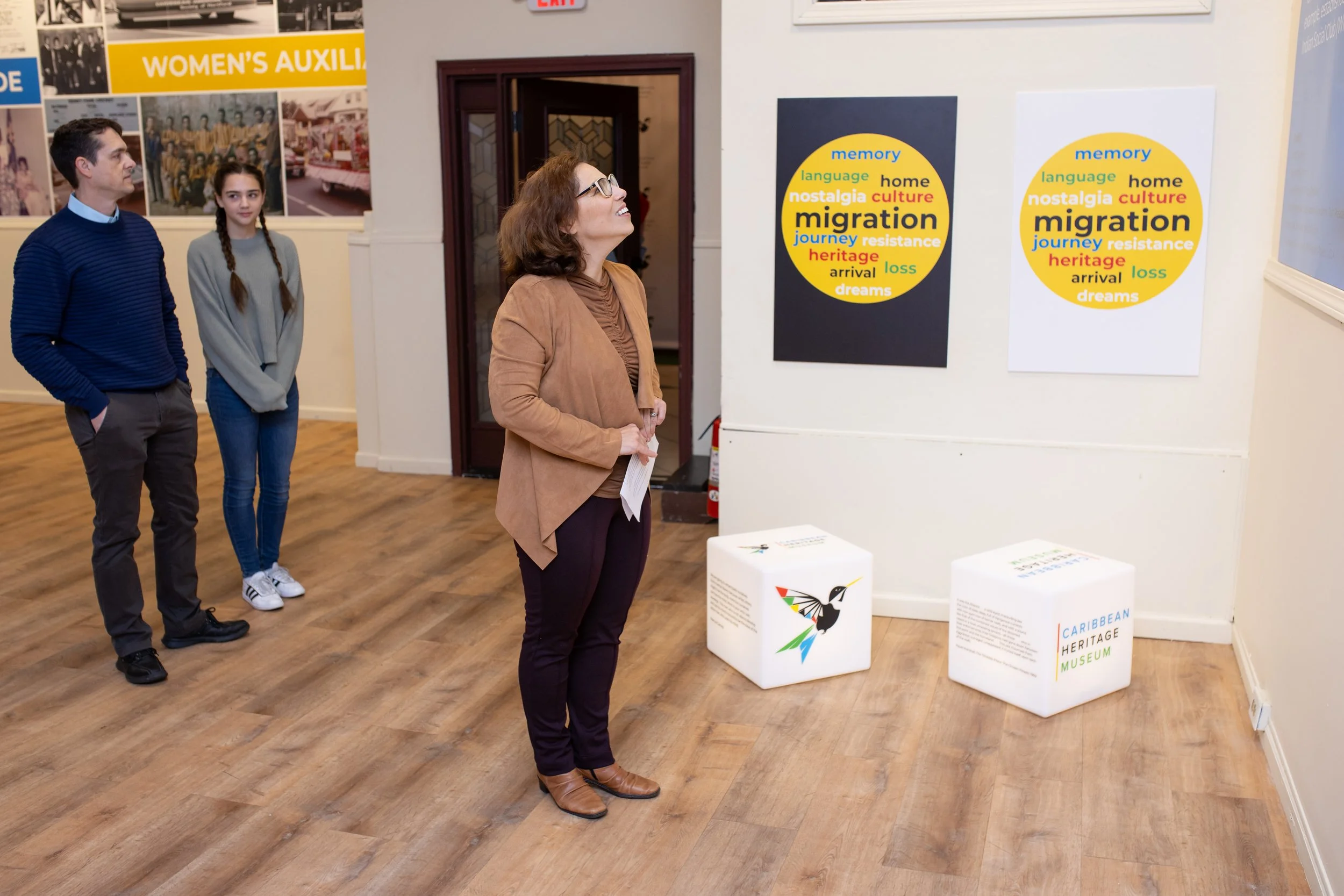
While the Caribbean Heritage Museum is small, it masterfully manages to capture the depth of the West Indian and Caribbean diaspora within its four walls. Every third Saturday of the month, a cozy events room in the West Indian Social Club becomes a vessel of history, but in reality, the cultural center has always served that purpose. Wanting to find a home away from home, Caribbean tobacco farmers found themselves in Connecticut after World War II and naturally, came together not only as a means of survival, but cultural preservation.
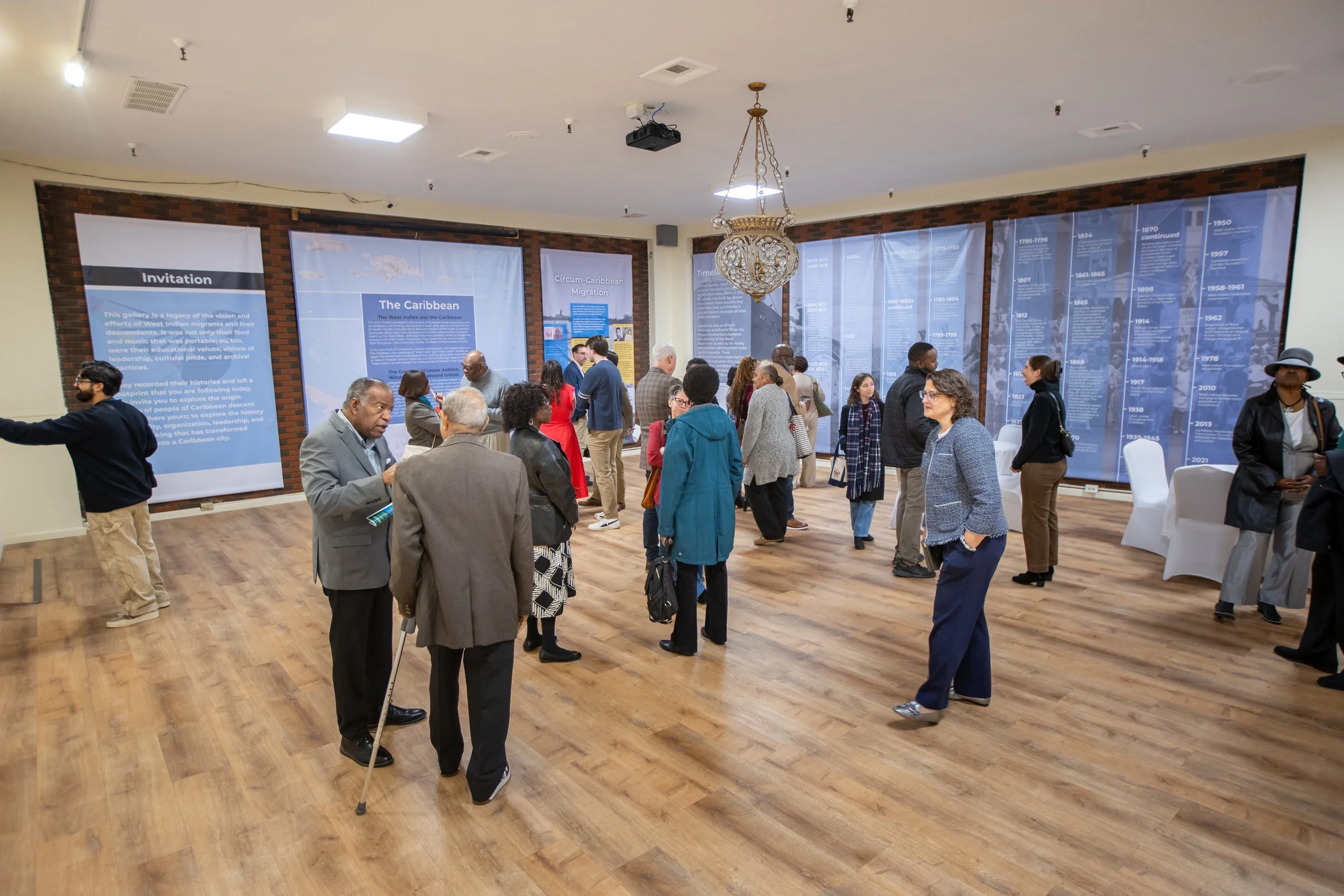
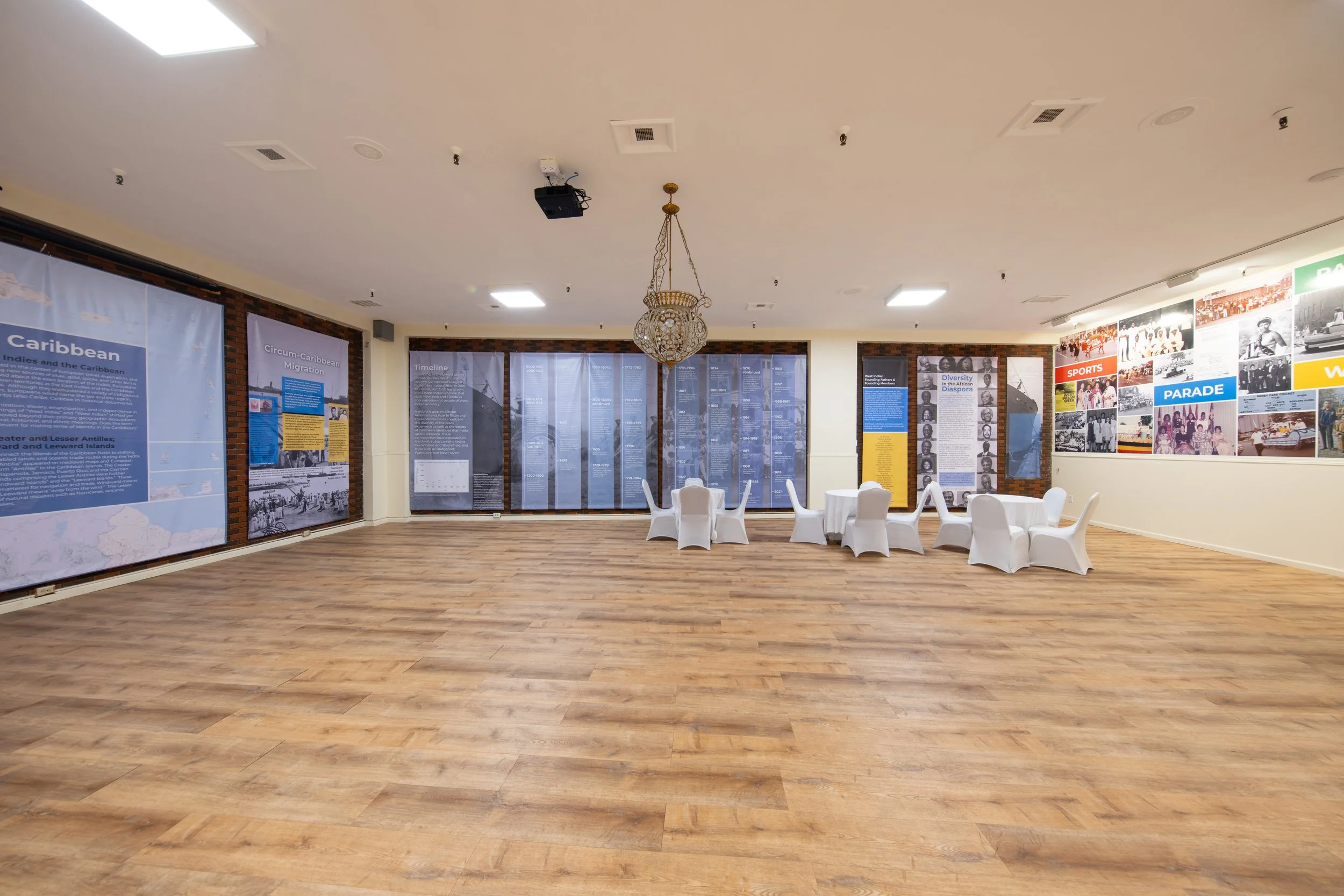
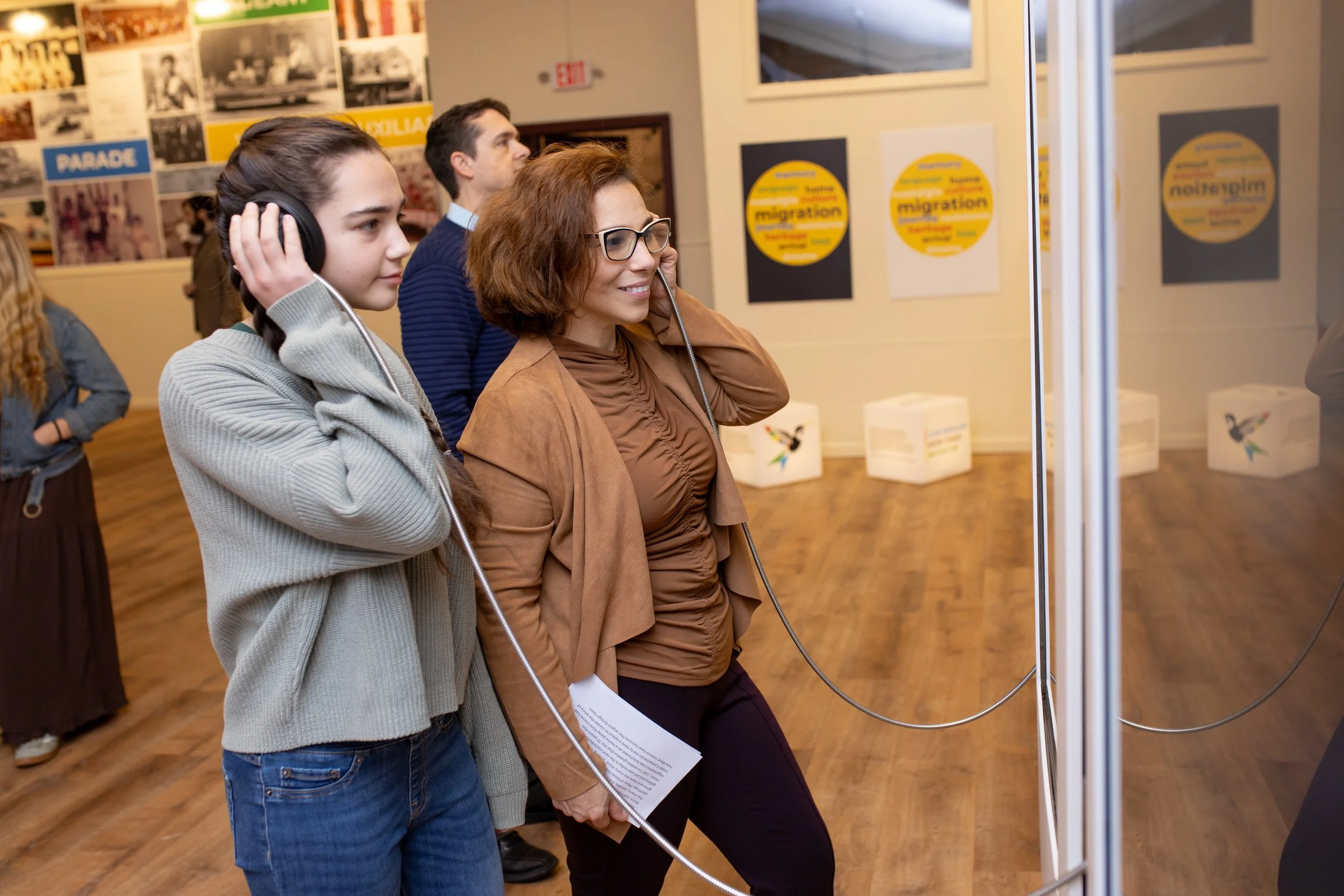
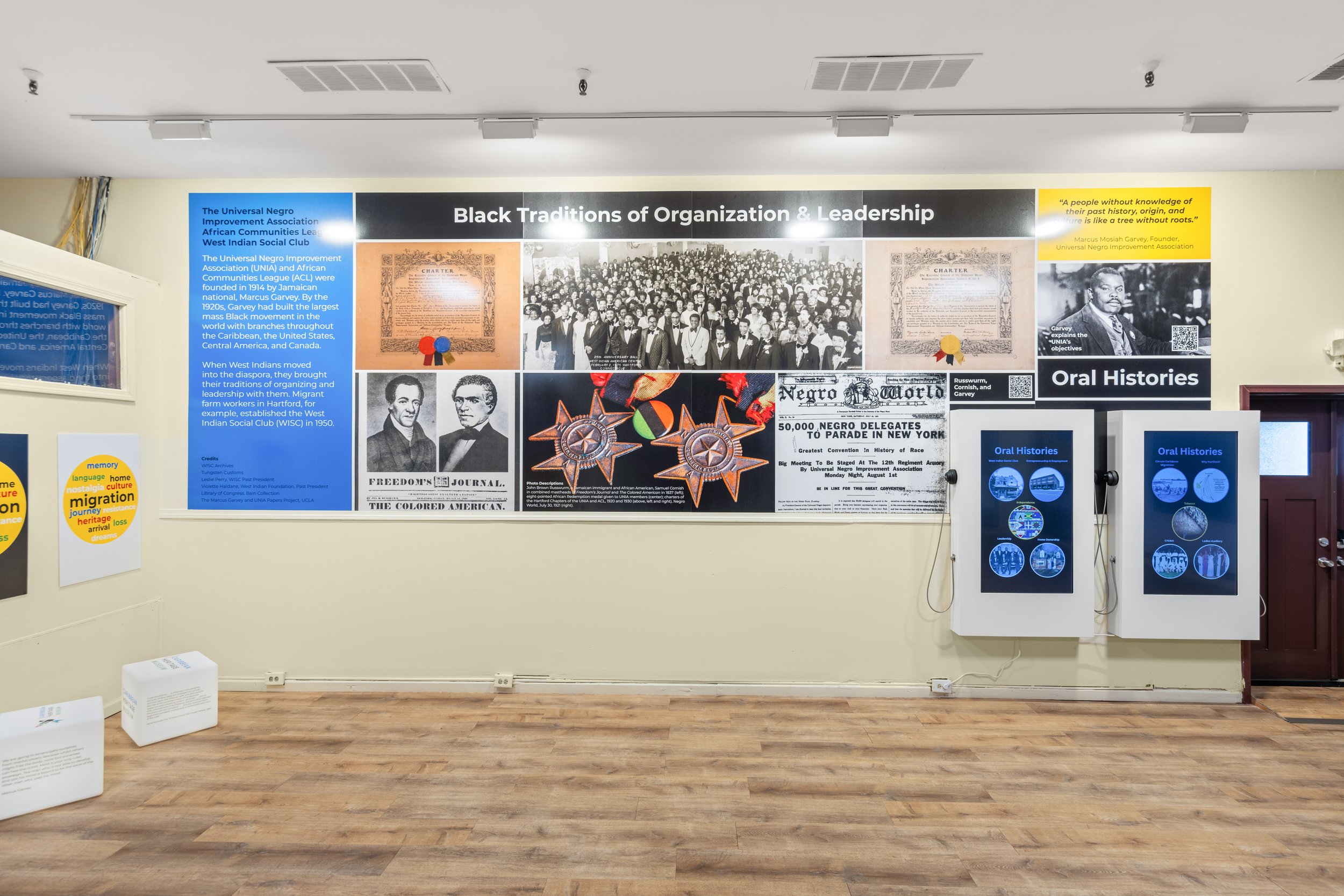
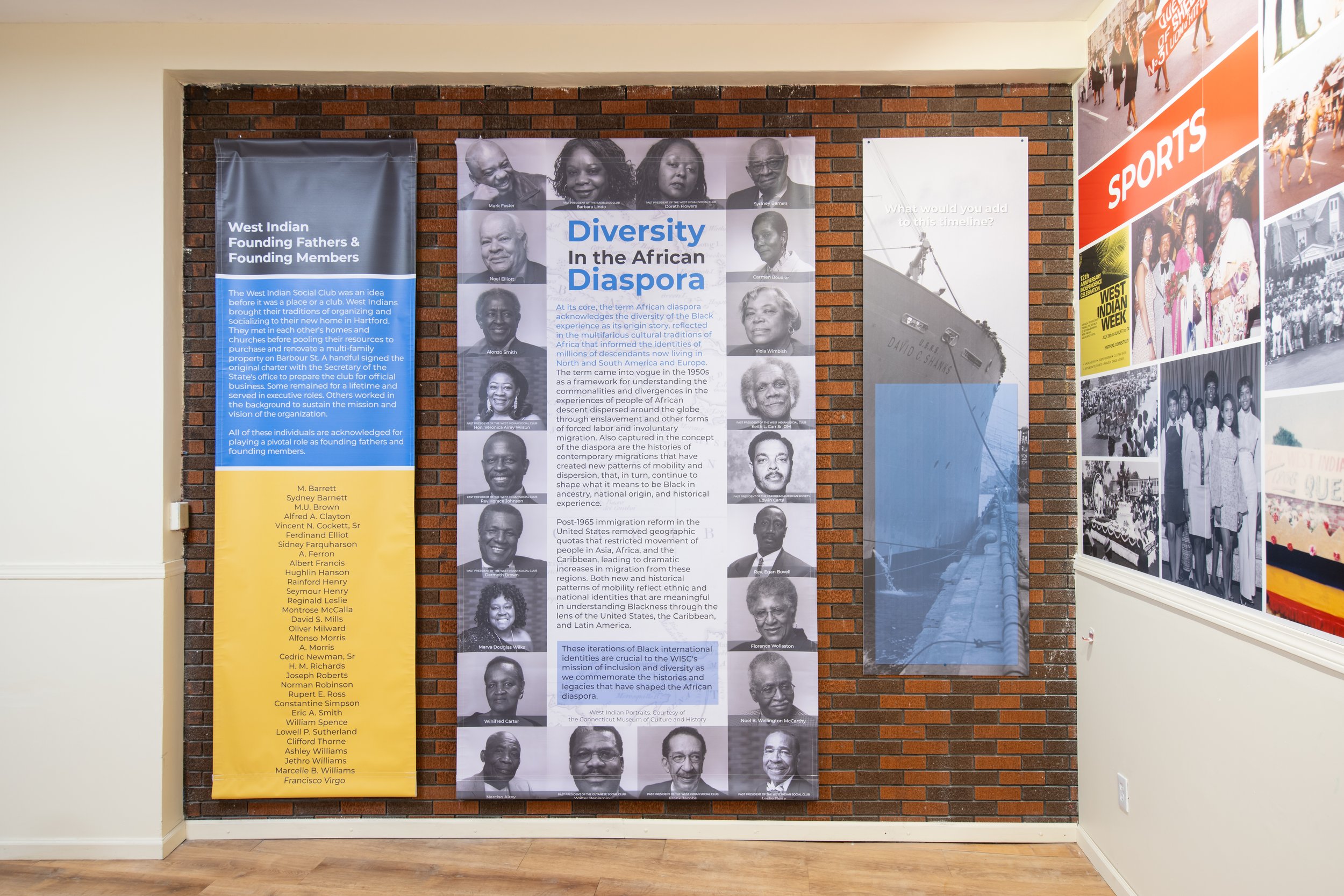
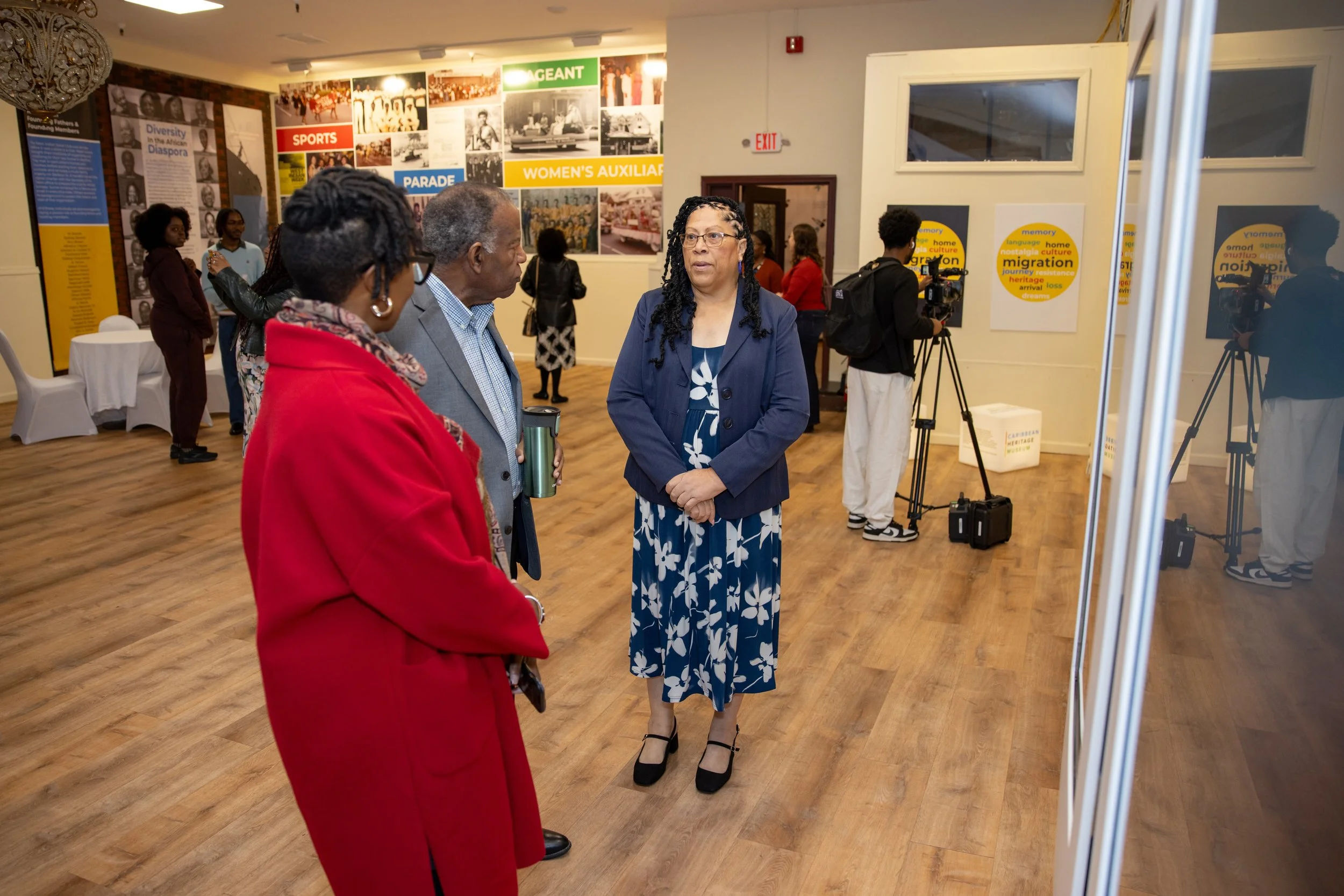
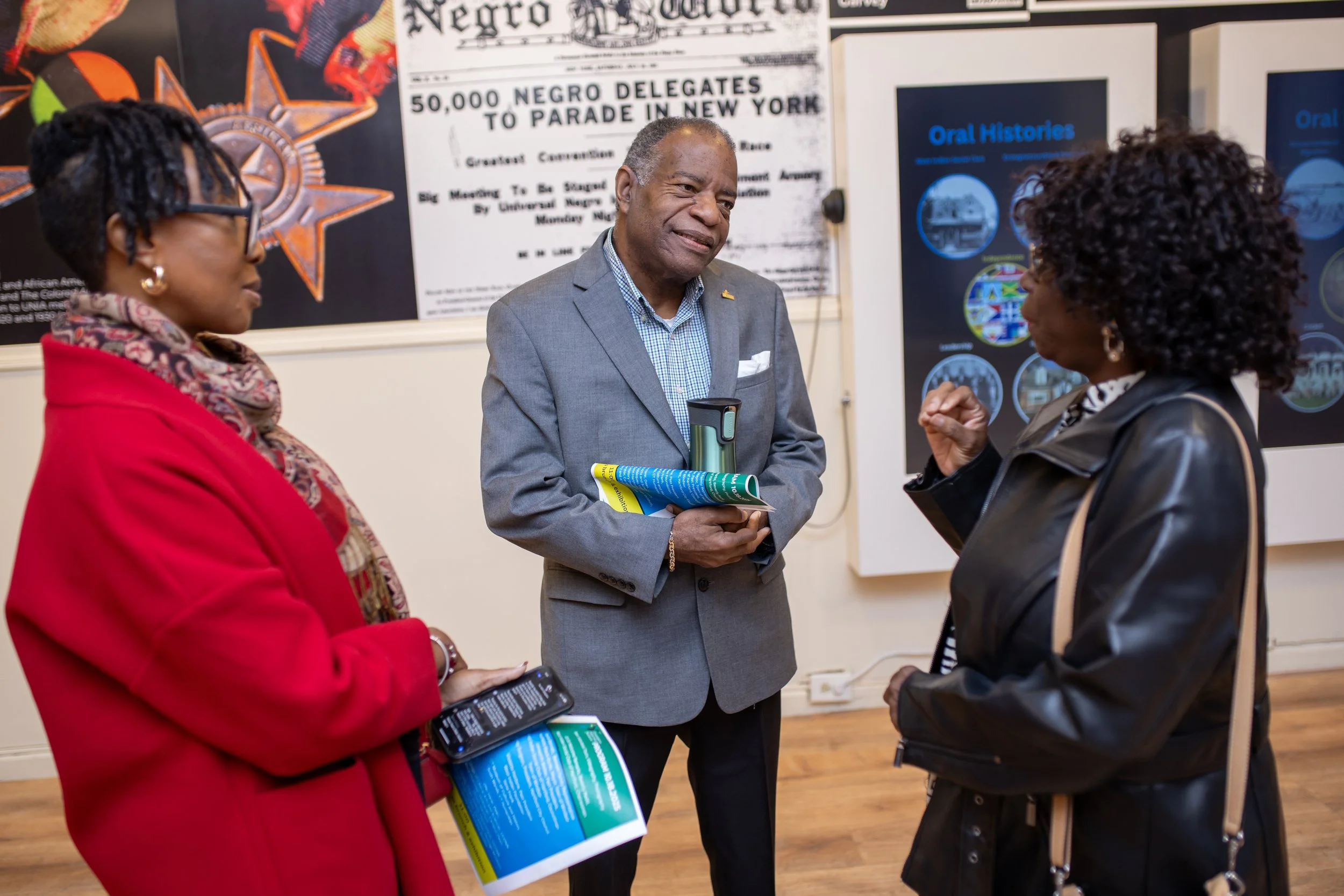
Carefully curated by Associate Professor of History Fiona Vernal, the collection of visual artifacts and interactive stations invites visitors to engage with the diaspora’s past, present and future. The Caribbean Heritage Museum brings to life a rich narrative of cultural integrity, ingenuity and community. Touchscreens elevate the tradition of oral storytelling, while a timeline of Caribbean migration is sprawled across the walls of the museum. Professor Vernal is also the director of UCONN’s Africana Studies Institute and it shows, as she refuses to make slavery the starting point for the Caribbean Heritage Museum. The exhibition begins at the root of it all, starting with the development of African societies and their natural migration to South America and the Caribbean. The Caribbean Heritage Museum embodies the tradition of respecting your ancestors, not only paying homage to the indigenous Arawak people, but centering the stories of the club’s founding members whenever possible.
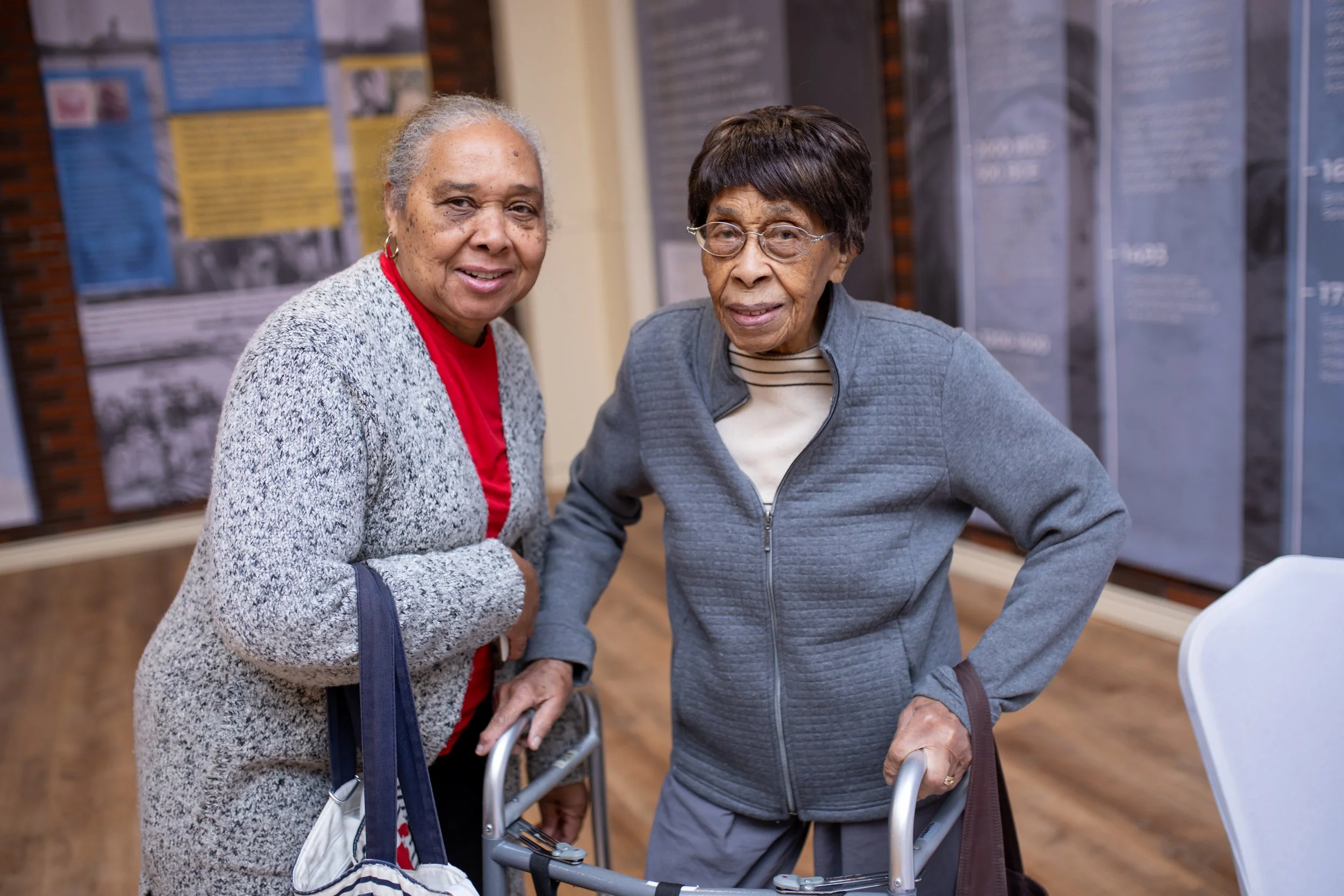
Sidney Barnett and Kenneth Bennet Senior, the club’s oldest members are fittingly placed next to a map of the Caribbean, illustrating immigrants’ long-standing impact on Connecticut. Barnett was recruited by the American government for his expertise in the tobacco industry, but later used his classic Caribbean charm to negotiate his way out of field work. Later, Barnett moved to Hartford and became one of the earliest West Indian immigrants to buy a home in Connecticut’s capital.
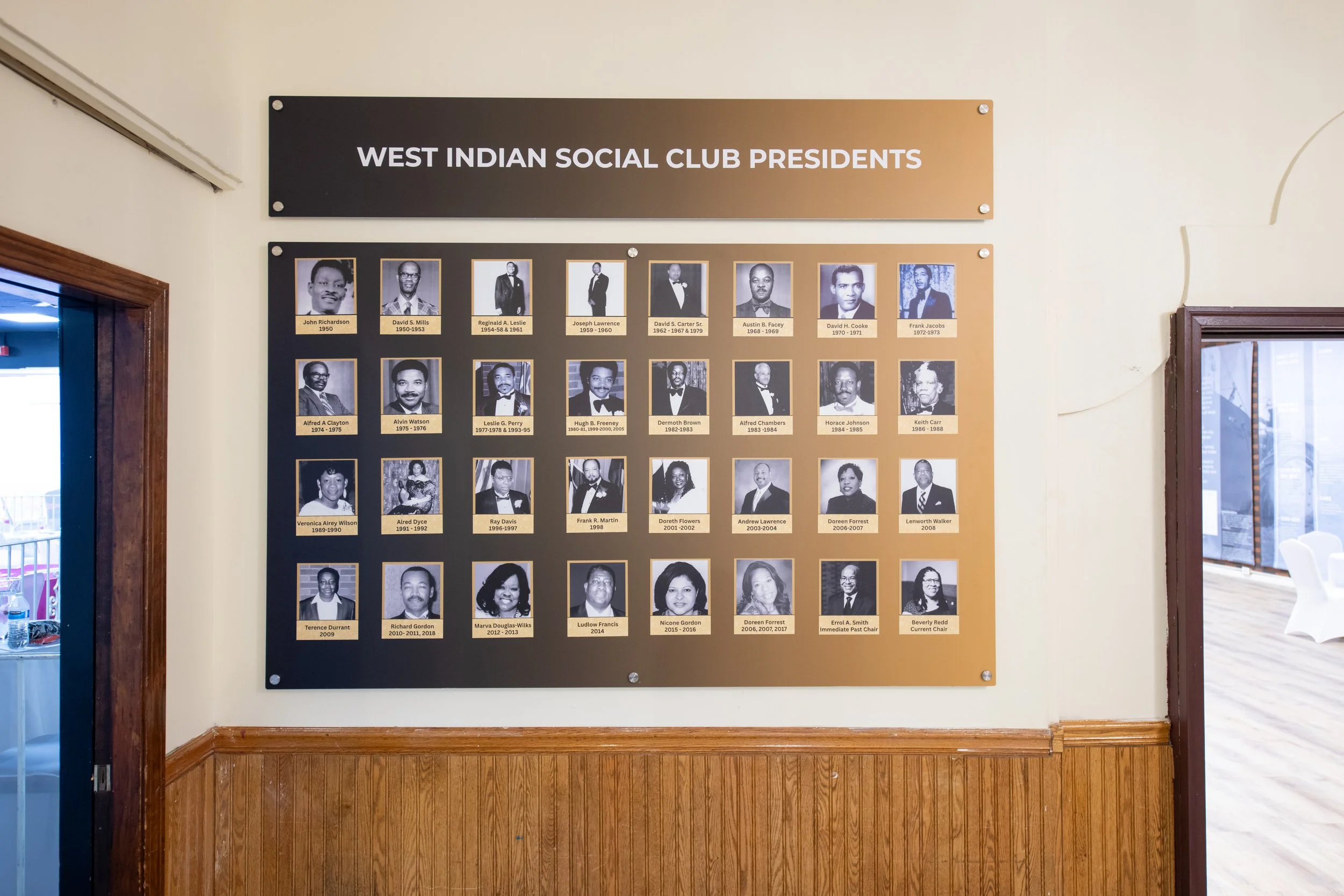
To visit the Caribbean Heritage Museum is to be immersed in not only history, but pride as a first-generation Guyanese American. Decorated with images of the men’s cricket team, the women’s auxilliary and the formal balls with everyone dressed to the nines, it’s hard not to see my relatives in the faces of the Social Club’s first members.
For far too long, Black immigrants have had their vast impact minimized and hidden, erased from America’s narrative, despite being integral to this country’s story. Many stories like Barnett have been left out, not just by design, but because of privacy and shame. While we may applaud the discipline and work ethic migrant workers displayed, those who had to toil in the fields are not often proud of their humble beginnings. “You were a migrant farmworker, then you make an entrepreneur and now your children go to the best colleges in the country. All of those arcs are part of the full story of immigrant dreams and it is important to illustrate what that means for the next generation, as well as showcase how people root themselves in Hartford,” Professor Vernal shares. “We need more spaces like this where you can reinforce that pride. It’s not just at the national or community level, but it starts within our own families where we have these artifacts. It’s important to pass down the stories through generations so that we don’t lose our history. We can either wait for our stories to be told or we can tell it ourselves.”
Continue scrolling to read the full interview below. The Caribbean Heritage Museum is open every third Saturday of the month from 12pm to 5pm.
CAFETERIA: What inspired the inception of the museum? Can you speak to the curatorial process?
Prof. Fiona Vernal: We worked with the Connecticut Museum of Culture and History in the 1990s to create a traveling exhibition that premiered in the early 2000s. It wasn’t until 2015 when memories of the project resurfaced. It generated this oral history, as well as beautiful black and white photographs of the founding members.
At the time, i just assumed that between the initial premiere of the exhibition in the 2000s and 2015, historical societies, libraries or other organizations would perhaps pick up pieces of the story. However, there was no successor to the old project — just fond memories. When I came back to Connecticut, I started interviewing people because I assumed my role was to continue building the archive and other people would curate, write dissertations or articles, but none of that happened. In 2015, we got a phone call from an organization informing us of a Connecticut Open House Day where all heritage organizations were supposed to open up to the public. They wanted to be more inclusive of communities of color, so they asked if the West Indian Social Club would participate. Our immediate thought was, “Yes, but what are people going to look at?”
The open house was really the initial impetus for us to put together an exhibition very quickly. It took us six weeks and it was called A Home Away From Home. We took the oral histories and focused on biographies and in-depth story-telling. It was truly touching and meaningful for the people that we included to see their stories represented and articulated in such a manner.
We thought if we could scale this, it would be great as a museum. Over time, we’ve nurtured that vision and continued to tour the traveling exhibition across schools and libraries. Once we acquired the funding, largely from the Connecticut Humanities Council, to renovate the space, the museum truly began to take shape. It was nice to have the financial freedom to dream of what the space could look like and bring it to fruition.
At a time when immigrants are being demonized and vilified by our government, why is this museum so important? taking control of our narrative and share our culture through our lens?
FV: This space enables us to have that full conversation, both internally for the community and those who are not a part of the diaspora. For those with West Indian and Caribbean roots, folks are proud of the labor, work ethic and discipline, but not everyone wants to broadcast that they are migrant farm workers or that the women were domestic workers. Not everyone is proud of that part of their history. However, those are some of the stories that we want to affirm. You were a migrant farmworker, then you became an entrepreneur and now your children go to the best colleges in the country. All of those arcs are part of the full story of immigrant dreams and it’s important to illustrate what that means for the next generation, as well as showcase how people root themselves in Hartford.
In regards to immigration, it can often feel like only one story is told and Black immigrants are often left out of the conversation. Do you think the impact of West Indian and Caribbean immigrants is adequately acknowledged or is it brushed under the rug?
At the national level, it’s not adequately acknowledged what West Indian and Caribbean immigrants’ contributions have been. Sidney Barnett and Kenneth Bennet Senior, the club’s oldest members, even said this themselves, which is why it was important to interview them. They did not come here on their own — they were recruited and transported by the government, precisely because of their skillset and discipline. The government saw value in their labor. As soon as the contract was over, the migrant workers became “these people.” They were seen as “takers” rather than valuable, instrumental pillars of the economy. A space like this can push back on that narrative.
As far as things being brushed under the rug, the communities can be very private in nature about those experiences and perhaps, only wanting to talk about being a middle class American, homeowner or entrepreneur. This organization has always emphasized that there is pride in the journey of migrant farmworkers coming here and building community. The West Indian Social Club just celebrated its 75th anniversary and the Caribbean Heritage Museum is a part of a legacy we should be proud of. We need more spaces like this where you can reinforce that pride. It’s not just at the national or community level, it starts within our own families where we have these artifacts. Education begins at home and if you can share your culture with any young people you have the opportunity to mentor and be around, when the negative stereotypes start to surface, they at least have real knowledge and context to push back against it. It’s important to pass down the stories through generations so that we don’t lose our history.