

THE MORE LIFE FOUNDATION DESTIGMATIZES MENTAL HEALTH FOR COMMUNITIES OF COLOR
CAFETERIA SITS DOWN WITH FOUNDER ASHA REAVES TO DISCUSS THE IMPORTANCE OF CULTURALLY COMPETENT CARE

Inspired by personal loss and motivated by her entrepreneurial spirit, Asha Reaves created the More Life Foundation to change the stigma mental health still carries. For communities of color, going to therapy is not seen as “something we do.” Family business stays at home and sometimes, for good reason, as mental illness is frequently criminalized when experienced by people of color. Rather than being met with support, mental health issues are punished and dismissed, misunderstood as rage and defiance. “People of color are not getting the same appropriate and adequate care that is needed. We're just getting a reaction to the perceived behavior,” Reaves shares.
Working in the behavioral health field, Reaves saw a tremendous lack of not only representation, but culturally competent care. The racial bias in medicine has a fatal effect. “We’re not included in medical research. Doctors and physicians are taught to treat Black and brown people differently based on outdated research. It’s extremely important to have representation within the medical field, not just because it affects people’s health, but because when you don’t see it, you don’t think that you can do it. You have to be surrounded by people that you see yourself in,” Reaves continues.
With an education-based approach, the More Life Foundation strives to be that representation, making mental health resources and support accessible for marginalized communities. “Accessing mental health care is not something that you need to feel bad about doing. You should feel good about being able to take care of yourself.”
Continue scrolling to read the full interview below and learn more about the More Life Foundation.
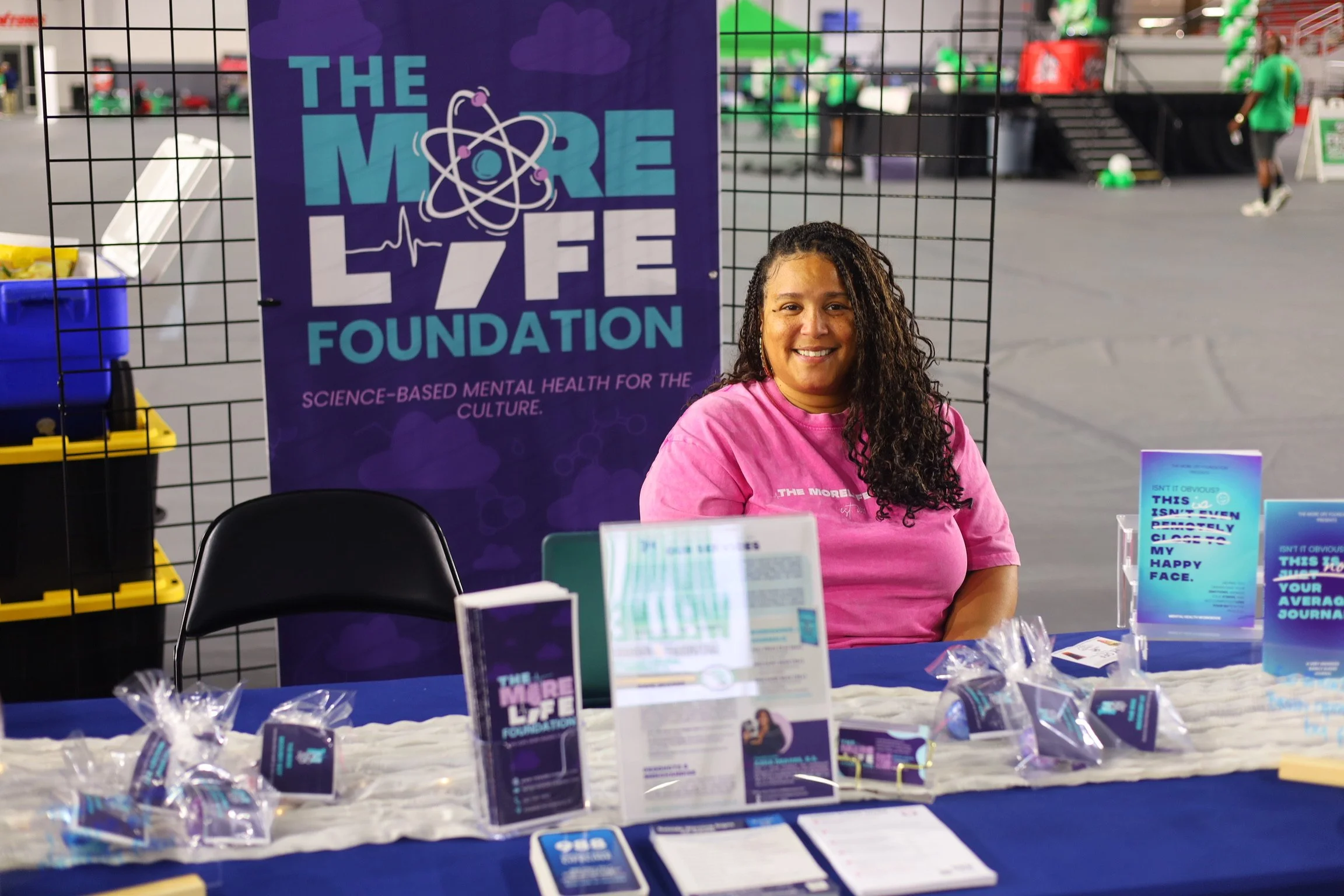
What inspired you to start the More Life Foundation?
AR: I’ve been an entrepreneur since I was15. My first business was a women's empowerment T-shirt line. While I was in college, I was still running my business when I got the news that my younger cousin took his own life.
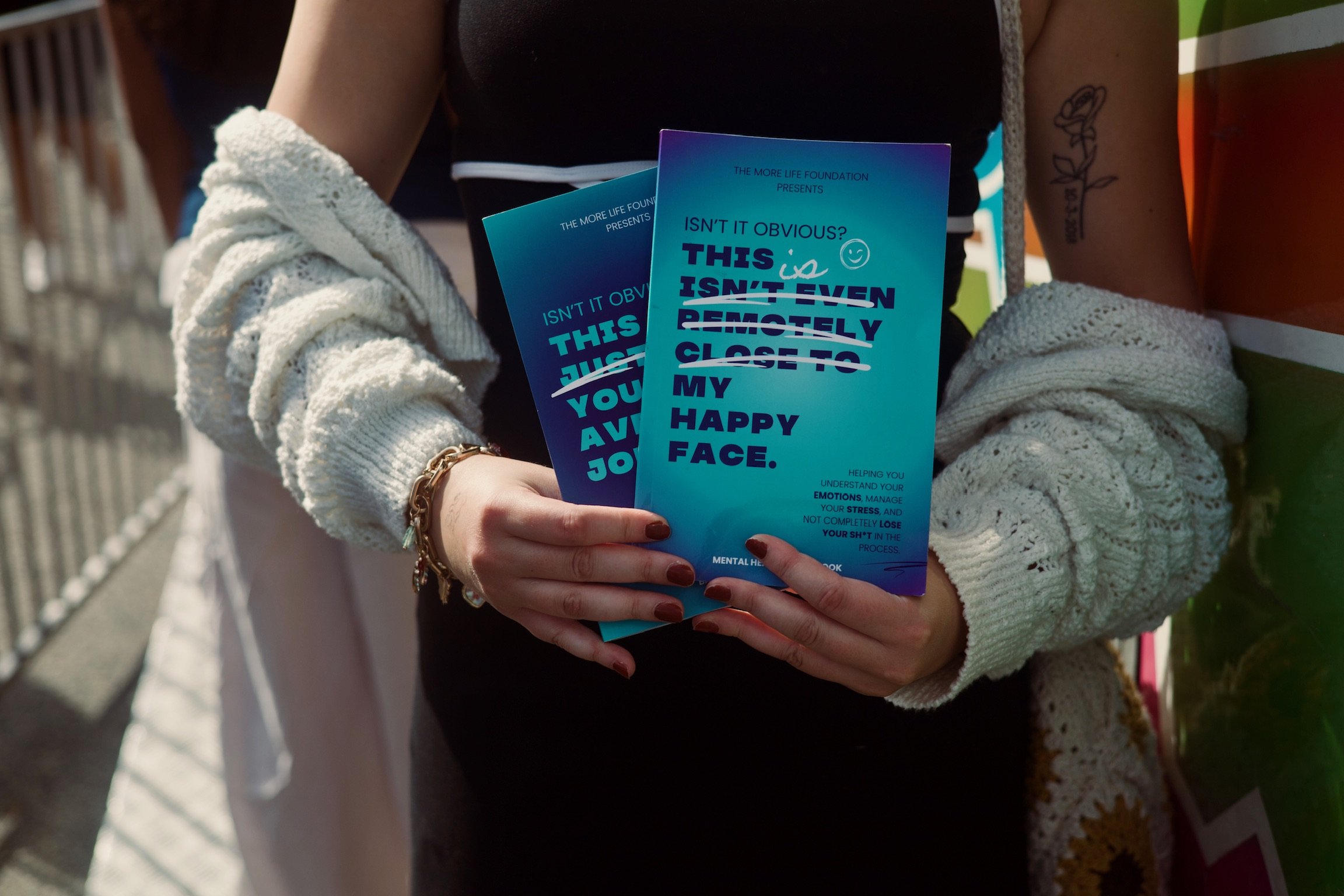
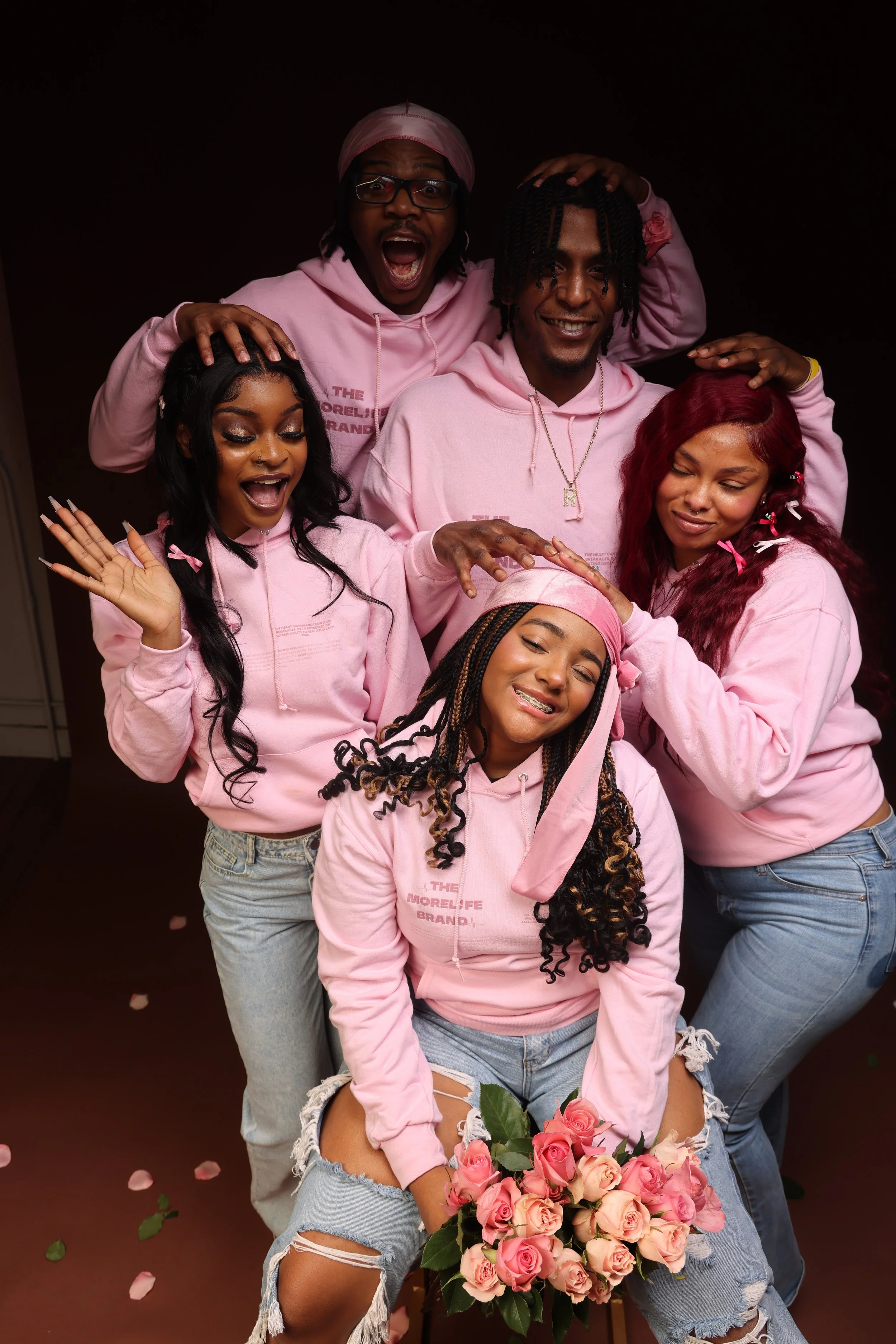
From that point on, I decided I was going to transform my business into something that would honor him. In addition to selling T-shirts, I decided to focus on mental health awareness and suicide prevention. I wrote my first mental health workbook based on different things I saw working in psych hospitals in behavioral health. More Life has grown from a clothing line into an education and advocacy nonprofit.
Why do you think that there's such a stigma around mental health, specifically in communities of color?
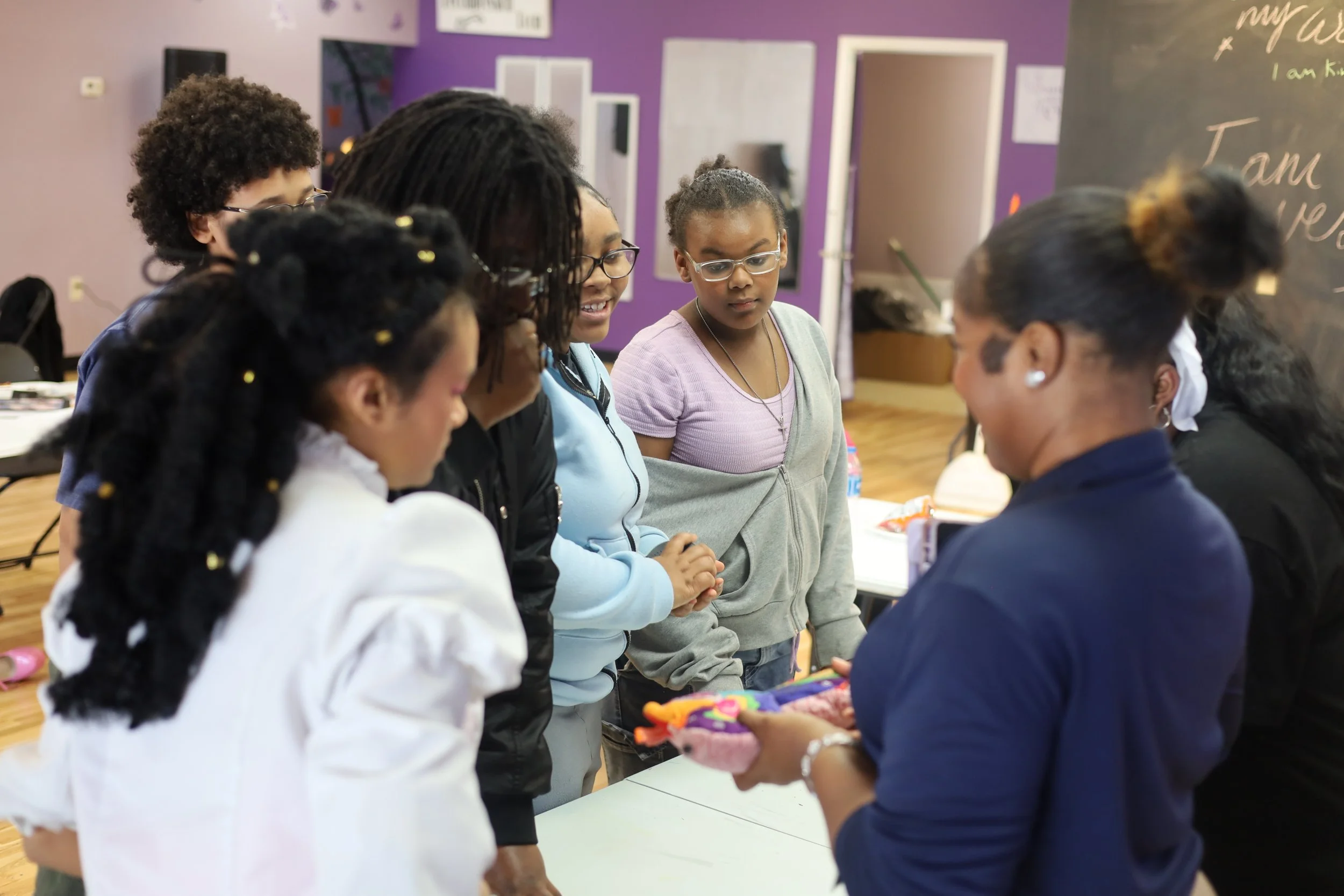
AR: Working as a behavioral health specialist for about four years, I noticed that there were not a lot of Black and brown people in the psych facilities. If there were patients of color, it wasn’t treated as a preventive or therapeutic measure, it was seen as a last resort. Mental health support and resources were always the last option to anything else. It was never proactive. I also noticed mental health issues may show up different in people of color. It doesn’t always look like sadness or withdrawal. Oftentimes, it looks like defiance, anger or rage. Sometimes, it looks like emotional outbursts or shutting down emotionally. It doesn’t always match what we’ve been taught mental illness looks like.
Instead of asking your child what they're struggling with, the focus is on what they are doing wrong rather than what's actually going on with them. Rather than being able to recognize different stress or trauma responses, the behavior gets labeled as disrespect and aggression rather than a mental health issue. Even in adults, experiencing distress is seen as a character flaw, uncooperative or irresponsible. The response is never supportive. It's always punishment, dismissal or avoidance. That's where that stigma really plays a role. People of color are not getting the same appropriate and adequate care that is needed for the situation. We're just getting a reaction to the perceived behavior.
How does the More Life Foundation work to change the narrative surrounding mental health?
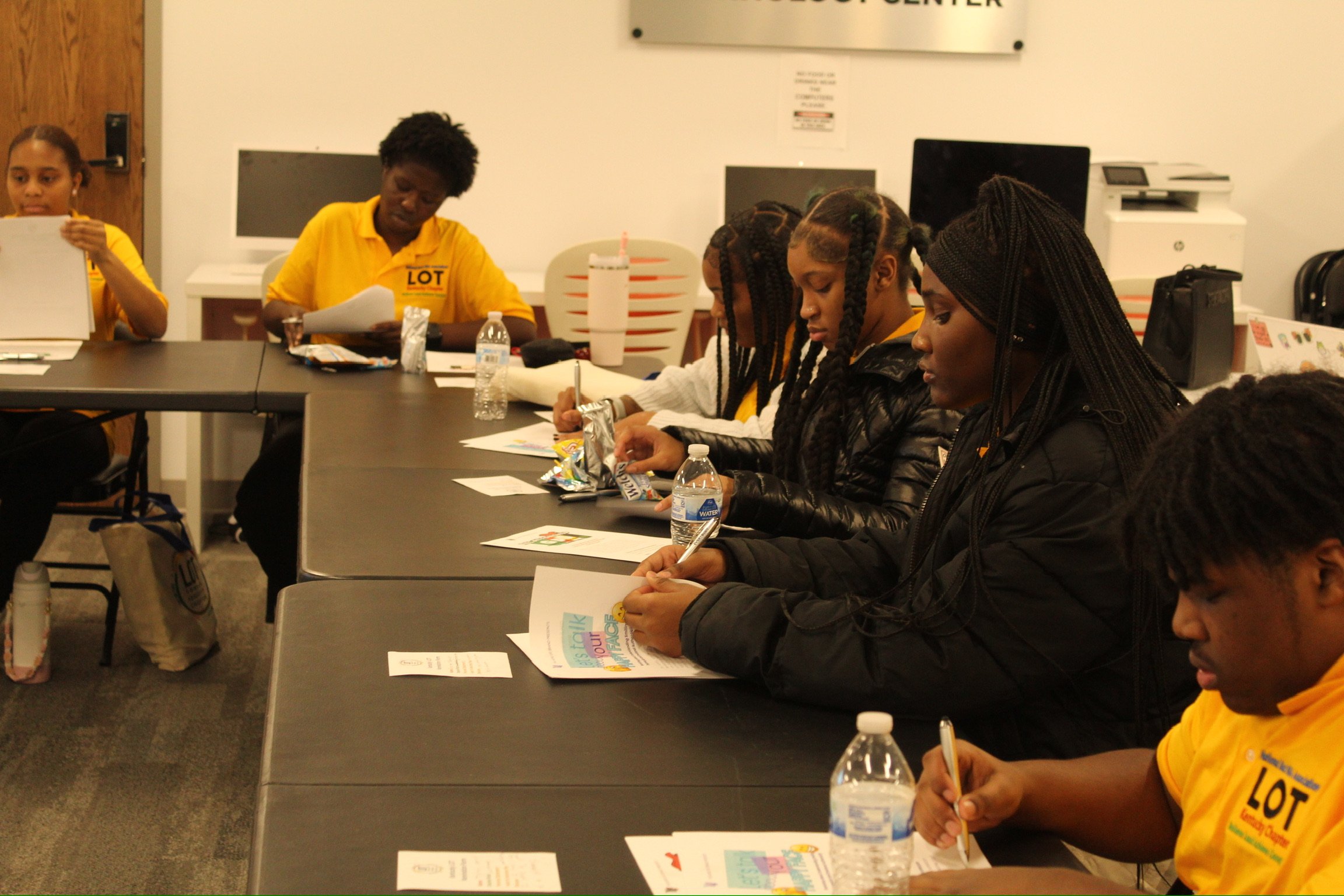
AR: I'm a strong believer that knowledge is the foundation of any and all change that you wanna see. It's a requirement for growth. Ignorance is what keeps unhealthy cycles repeating. Mental health is criminalized in communities of color and I think that it's because of an extreme lack of knowledge. Symptoms are misunderstood and overlooked so people are not getting the appropriate care that they need and they're being punished instead.
At the More Life Foundation, we try to change that narrative by shifting mental health from “what's wrong with you?” to “what's happening to you and what's happening inside of you?” We focus on what's happening in the brain and body, as well as how people are affected by their environment.
We lead with education that is culturally relevant and it's also grounded in science. When you use science to explain mental health, it gives people proof that it's not all in their heads. Through our workshops and programs, we remind people that everything is connected, from your thoughts to your body. It's genuinely something that is unavoidable, but a lot of people don't realize that we don't have access to that same mental health education and knowledge. Overall, we’re just trying to teach people what's happening in their nervous systems and how suppressing trauma and chronic stress can show up in behaviors. Being in survival mode can be mislabeled for people of color.
Why do you think culturally competent mental health care is important? Why do we need to see Black and brown health professionals of color?
AR: I think we can sometimes forget that we as Black and brown people can do these same things. We can do more than play basketball or rap and entertain. We’re just as competent and good as the next person.
You can lose sight of that when you don't see it often. I’ve been working in the OR since the summer and the first time I saw a Black anesthesiologist was a month ago. My mouth dropped and I kind of stared for a little bit because you forget that you can be in those spaces and have that type of status within the medical field.
We’re not included in medical research. Doctors and physicians are taught to treat Black and brown people differently based on outdated research. It’s a snowball effect that just influences everything from the top down. It’s extremely important to have representation within the medical field, not just because it affects people’s health, but because when you don’t see it, you don’t think that you can do it. You have to be surrounded by people that you see yourself in. You need to be able to see yourself as a reflection of other people to be able to say, “Okay, this is something that I can do. This is something that is attainable for me.”
Can you speak to finding accessible and affordable ways to tap into wellness?
AR: There are so many avenues that are free to us and to the community, but they don’t have as much visibility or the stigma around mental health holds people back.
Being a person of color, there’s this notion that seeking mental health care is “not something we do” or find importance in. It’s more of a knowledge issue than an access issue because the resources are out there, but you have to be diligent about looking for them. I think one of the biggest problems is that we don't make mental health a priority. Subsequently, we miss out on all of the resources that are available to us.
We focus on making mental healthcare mainstream and emphasizing that it’s not something to be ashamed of. We’re in the process of creating a directory to help people find the resources they need, even if it’s a support group or something more specific. It can take a lot of work to find free and affordable mental health care resources, but we’re trying to help streamline that process and get the right people connected to the right things. Accessing mental health care is not something that you need to feel bad about doing. You should feel good about being able to take care of yourself.