
Did the Hartford Semiquincentennials Qualify for the World Cup?
WAS THE NUTMEG INVITED INVENTED IN CT? THE WORLD’S BIGGEST EVENT LANDS IN AMERICA, WILL HARTFORD BE THERE?
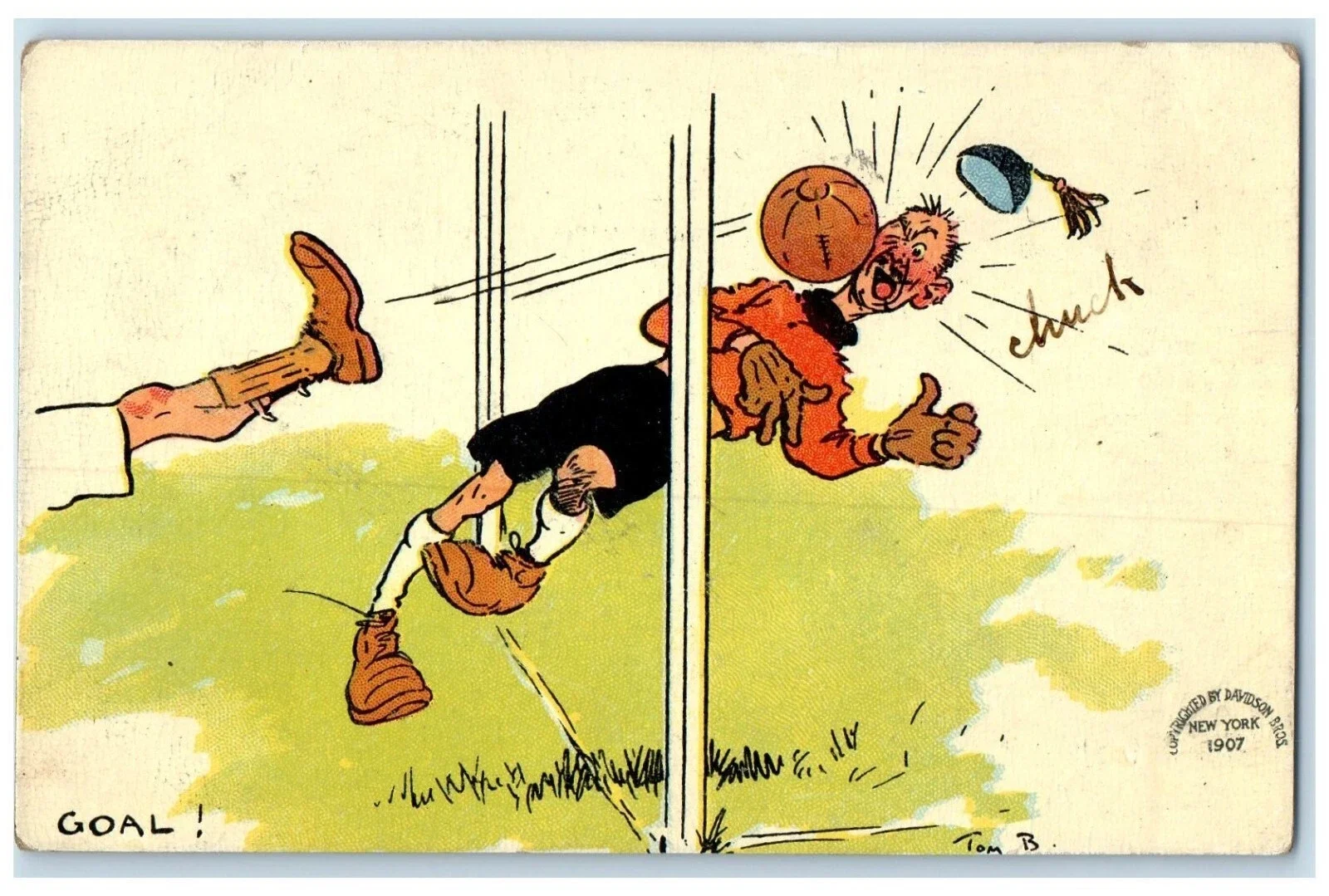
Found postcard sent to a Hartford address, 1907
Connecticut has been shiesty for centuries.
We're called the Nutmeg State because, allegedly, our merchants were selling wooden ‘nutmegs’ and getting away with it. The hustle became so iconic that "nutmeg" eventually became slang for getting tricked in England. Then soccer came along and gave us the ultimate form of public deception: putting the ball through somebody's legs and making them question their life choices. So did Connecticut inadvertently name the beautiful games most popular move? That’s the game we are running with and others agree.
The 2026 FIFA World Cup is being hosted not only by the United States, but also by Mexico and Canada. Matches will be played “nearby” at MetLife Stadium and Gillette Stadium. The press keep saying millions of visitors will move throughout the continent. Entire metros are preparing civic celebrations around what is supposed to be a once-in-a-generation sporting event.
Connecticut, meanwhile, appears to be getting highway traffic.
Maybe a few fans driving between Foxborough and East Rutherford stop in Hartford for lunch. Maybe someone detours to New Haven for the now world famous apizza. Maybe Mystic gets a few accidental tourists, something about pizza too. Maybe.
That feels like a metaphor for a lot right now.
The World Cup is technically “ours,” but not fully. It’s shared between three countries. It's not clear that that the United States really wants to host. Maybe we have gotten worse at sharing.
The America 250 celebration is happening at the same time—another massive civic milestone that should feel special—but that moment feels complicated too. Patriotism feels loaded to many. The country feels fragmented. Some people are excited, others cautious. Everything a bit cautious.
A little half full.
Hartford knows that feeling well.
Our relationship with soccer has long been equal parts ambition, bad timing, civic dysfunction, and occasional absurdity.
To take just one chapter that captures that well look no further than the Hartford Bicentennials.
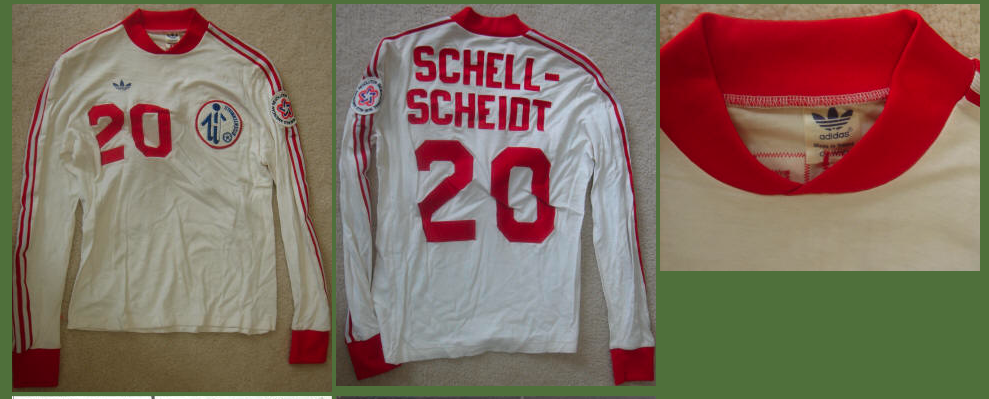
Hartford Bicentennials jersey. Image Courtesy of nasljerseys.com
Yes, that was a real professional soccer team, in Hartford, Connecticut, 50 years ago.
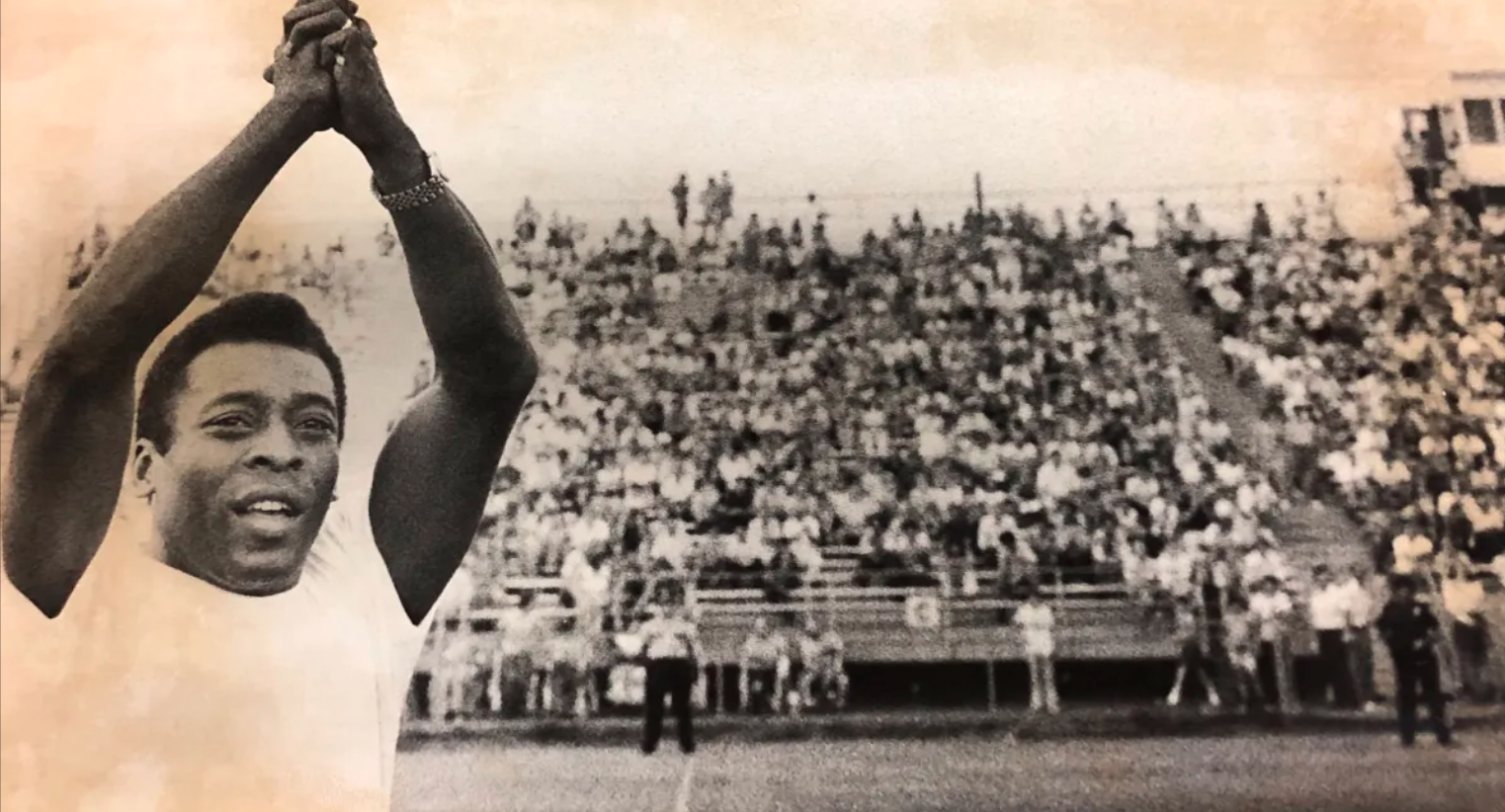
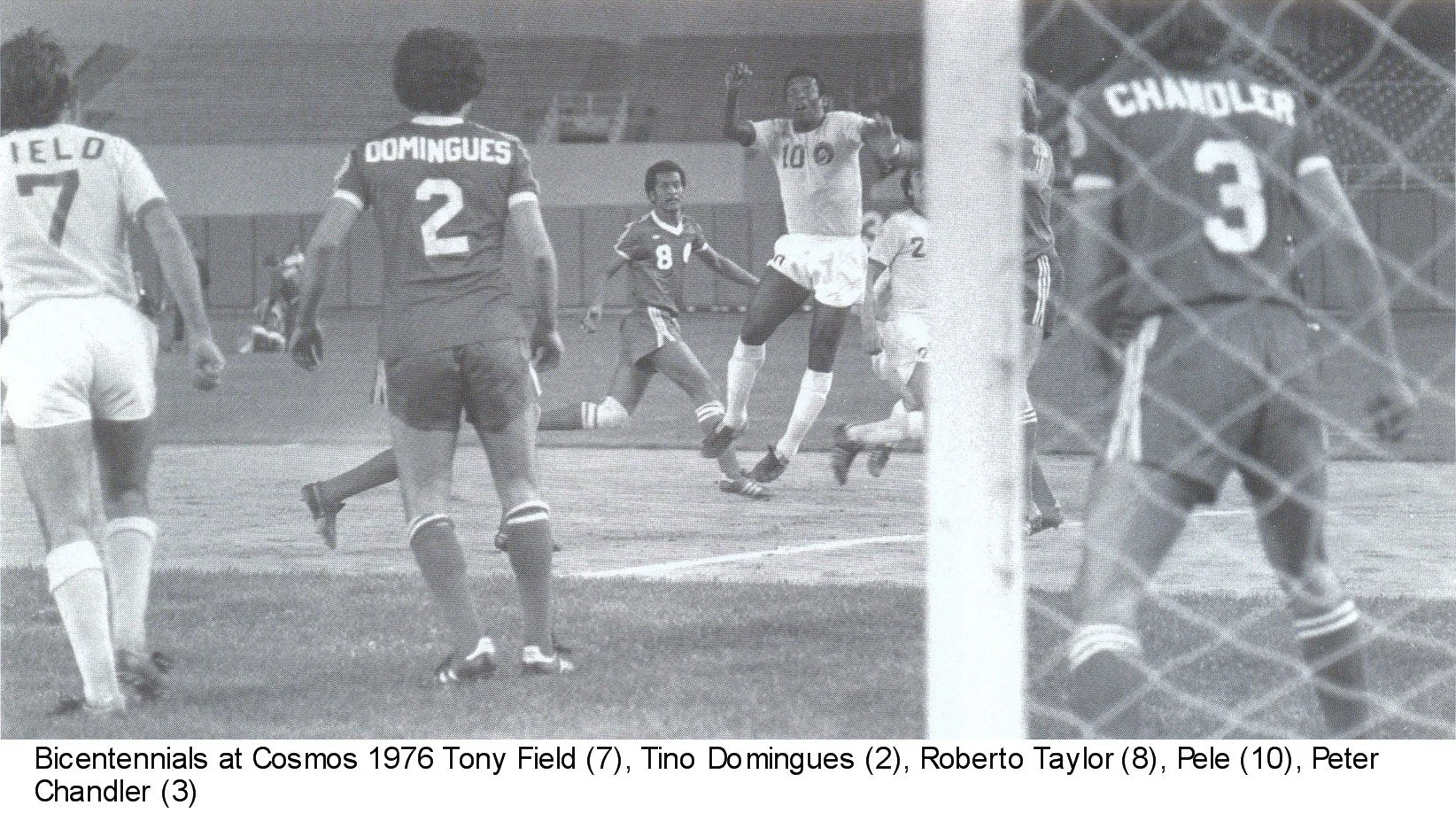
Founded in 1975, they played in the North American Soccer League during the same era that global stars like Pelé were building buzz for the beautiful game in America with the New York Cosmos.
In perhaps the most aggressively short-sighted naming decision in professional sports history, Hartford named its team after America’s 1976 Bicentennial celebration.
A team name with an expiration date.
And when the organization eventually realized that might be a problem, their solution somehow made things even funnier—they dropped “Hartford,” moved the team to New Haven, and became the Connecticut Bicentennials in 1977.
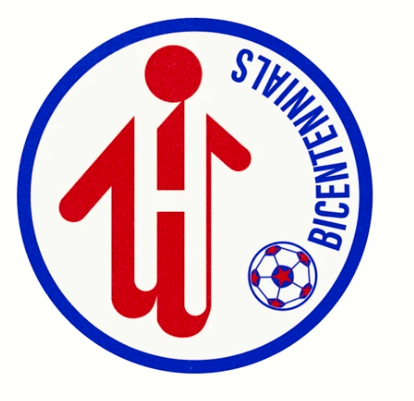
Original Hartford Bicentennials Logo
Yep, that makes sense, change the geographic identifier and keep the outdated anniversary brand.
The team moved to Oakland shortly after, that other bastion of american professional sports misery.
Maybe if they stuck around this whole time they might have changed their name to the Hartford Semiquincentennials for this our 250th this year. That logic may have gone against the grain.
To be fair—Hartford wasn’t uniquely tragic.
American soccer itself has a long, deep, and decidedly unstable story.
When America was celebrating its Centennial commemoration students at Trinity and Yale College were playing the same schoolyard game called football as they were in England. At the time the game football was slowly branching into what we know as soccer and rugby and then again into rugby and American football. But back then students were just kicking each other and occasionally a ball for the love of the game.
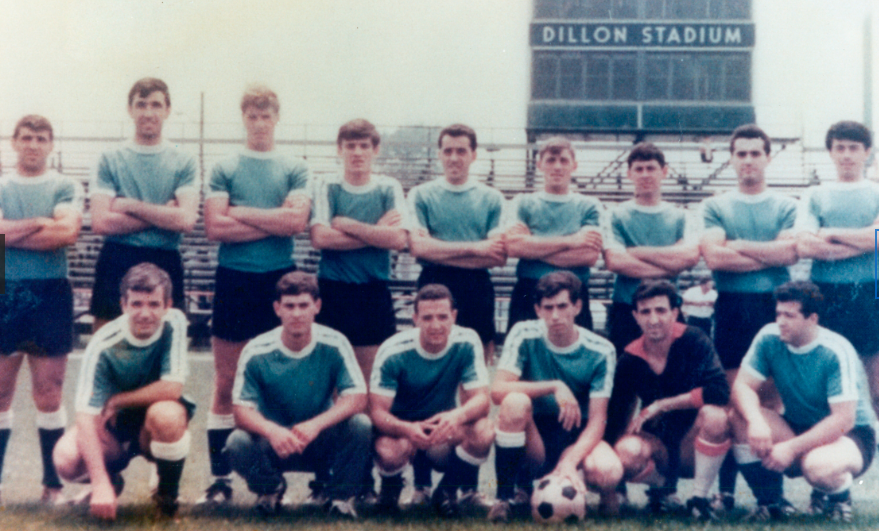
Soccer’s thread continued in the US into the 20th century. Often led by immigrant communities in mill towns. Leagues launched with huge ambitions and collapsed just as quickly. Owners struggled to build lasting clubs, most just built a flawed franchise. Television audiences never materialized, because the roots hadn’t been deep enough to create a stable critical mass. Even when Pelé drew crowds, the broader foundation beneath soccer in America remained shaky.
Hartford happens to be one of the places where that instability played out in especially dramatic fashion.
There were the Hartford Hellions.
The Connecticut Wolves.
The Hartford Kings.
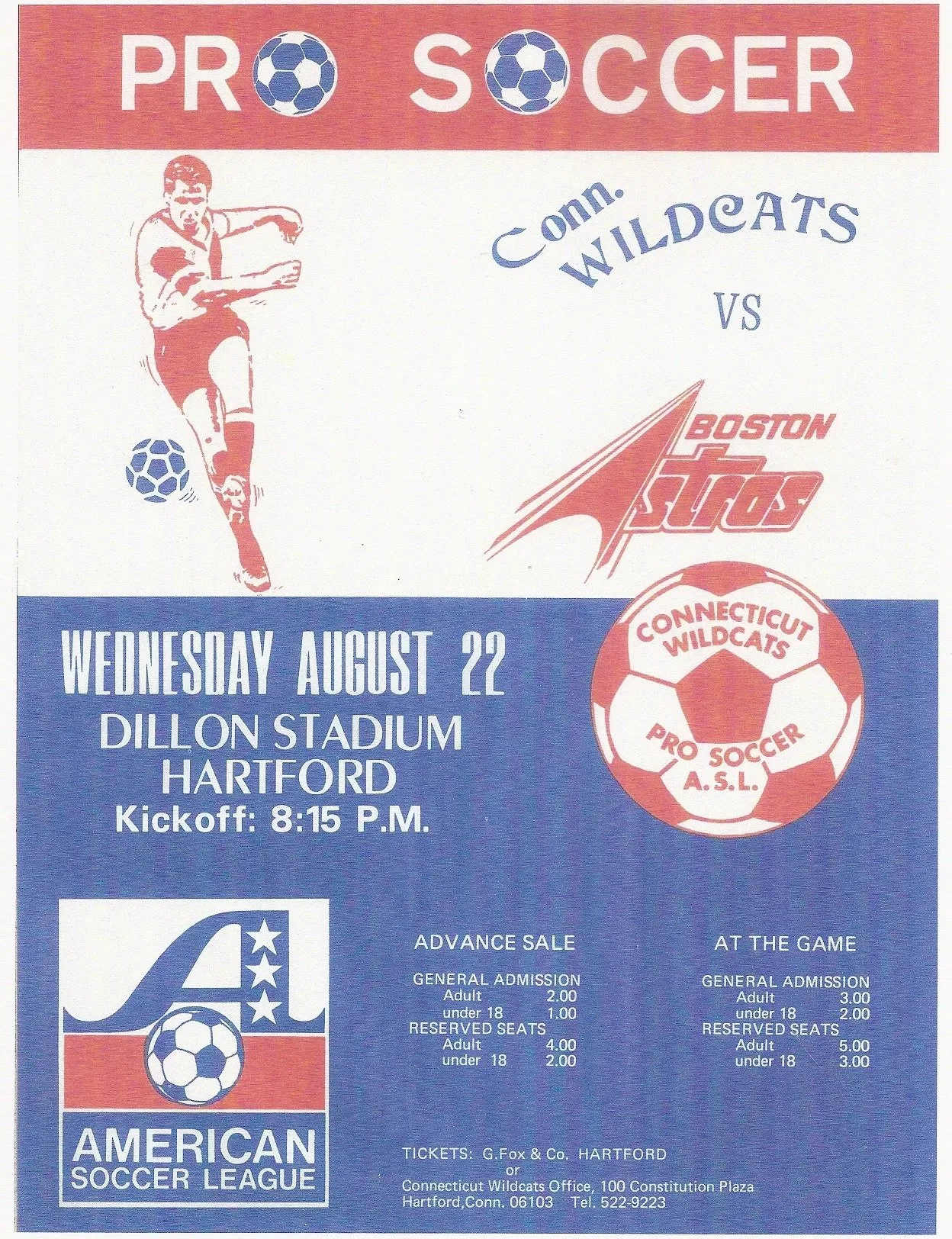
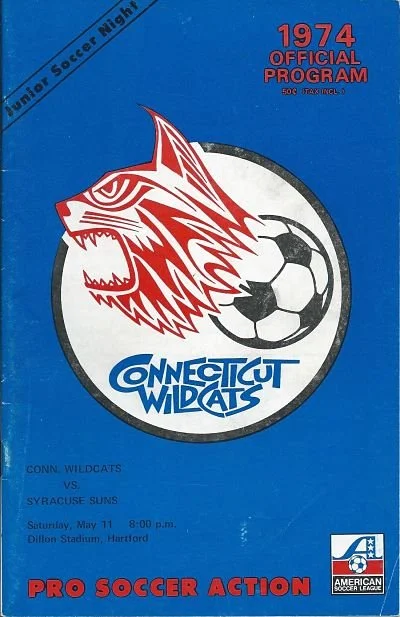
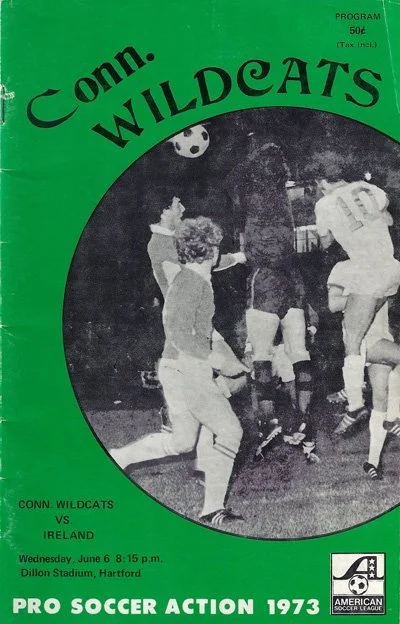
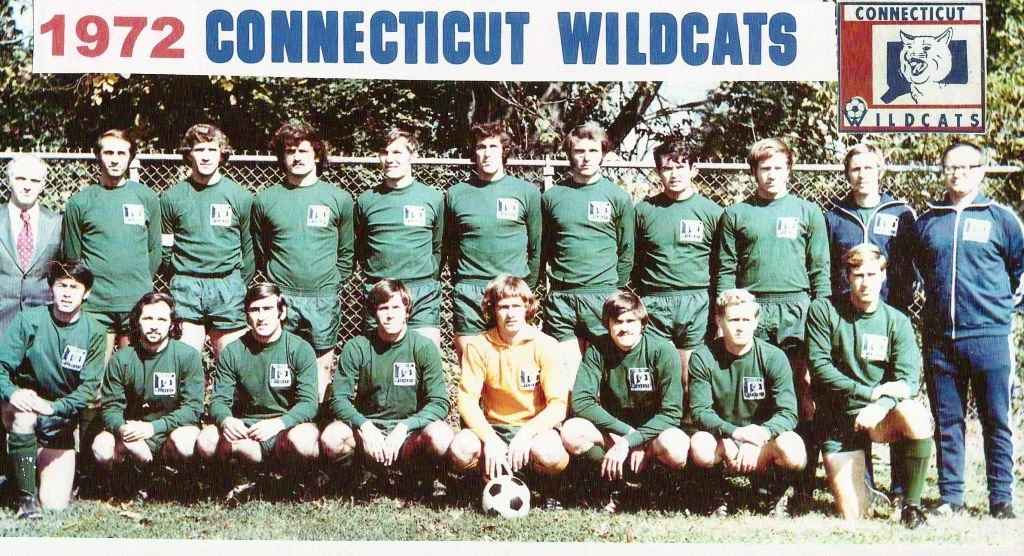
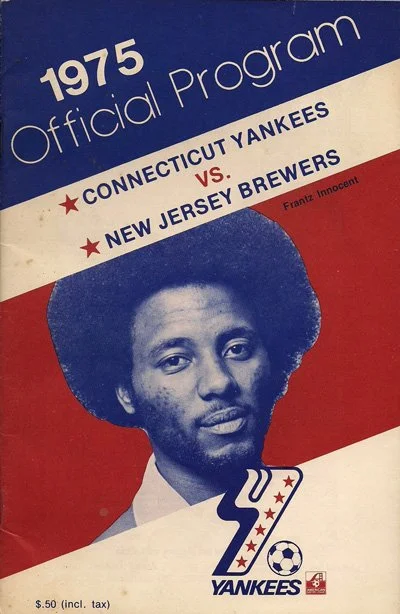
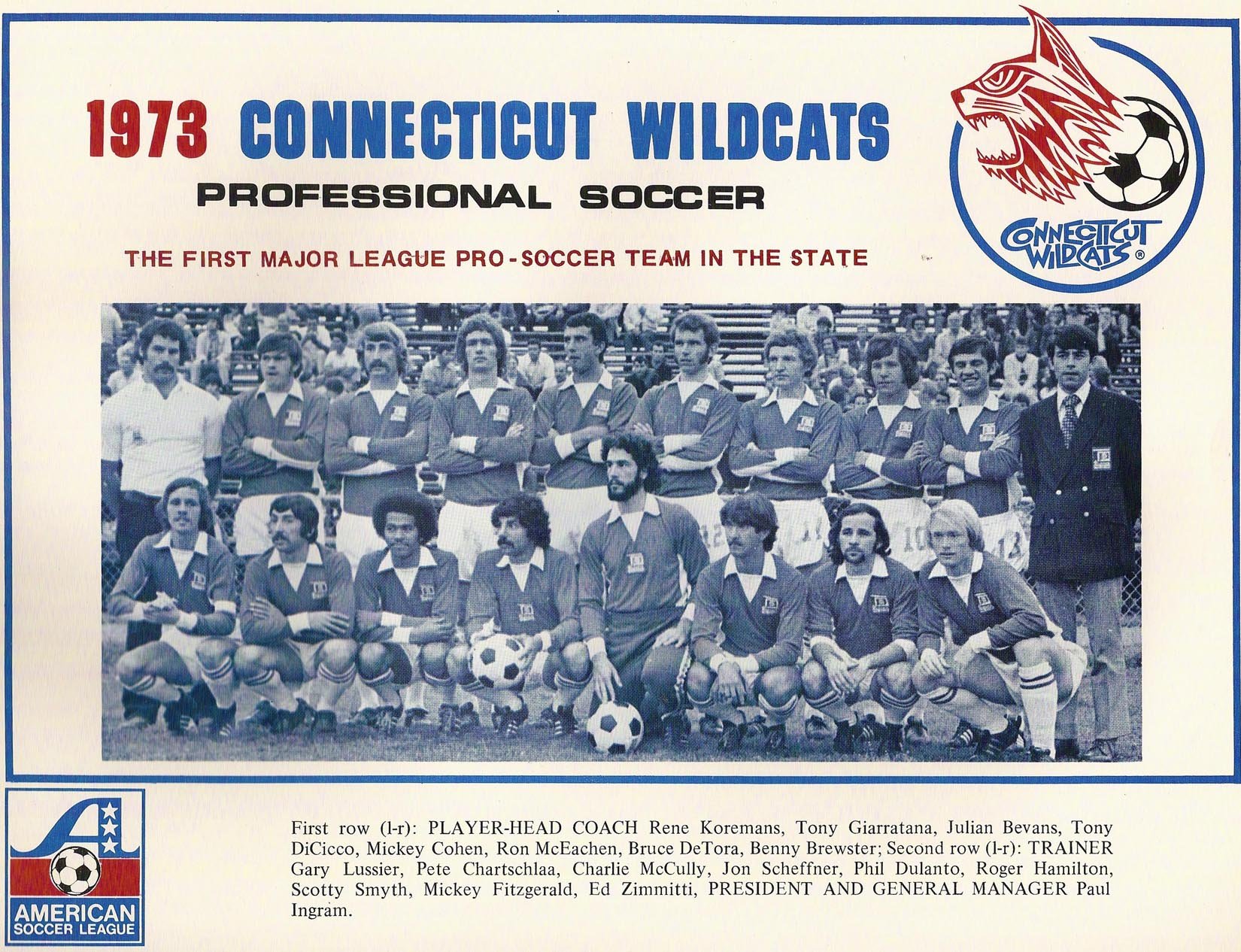
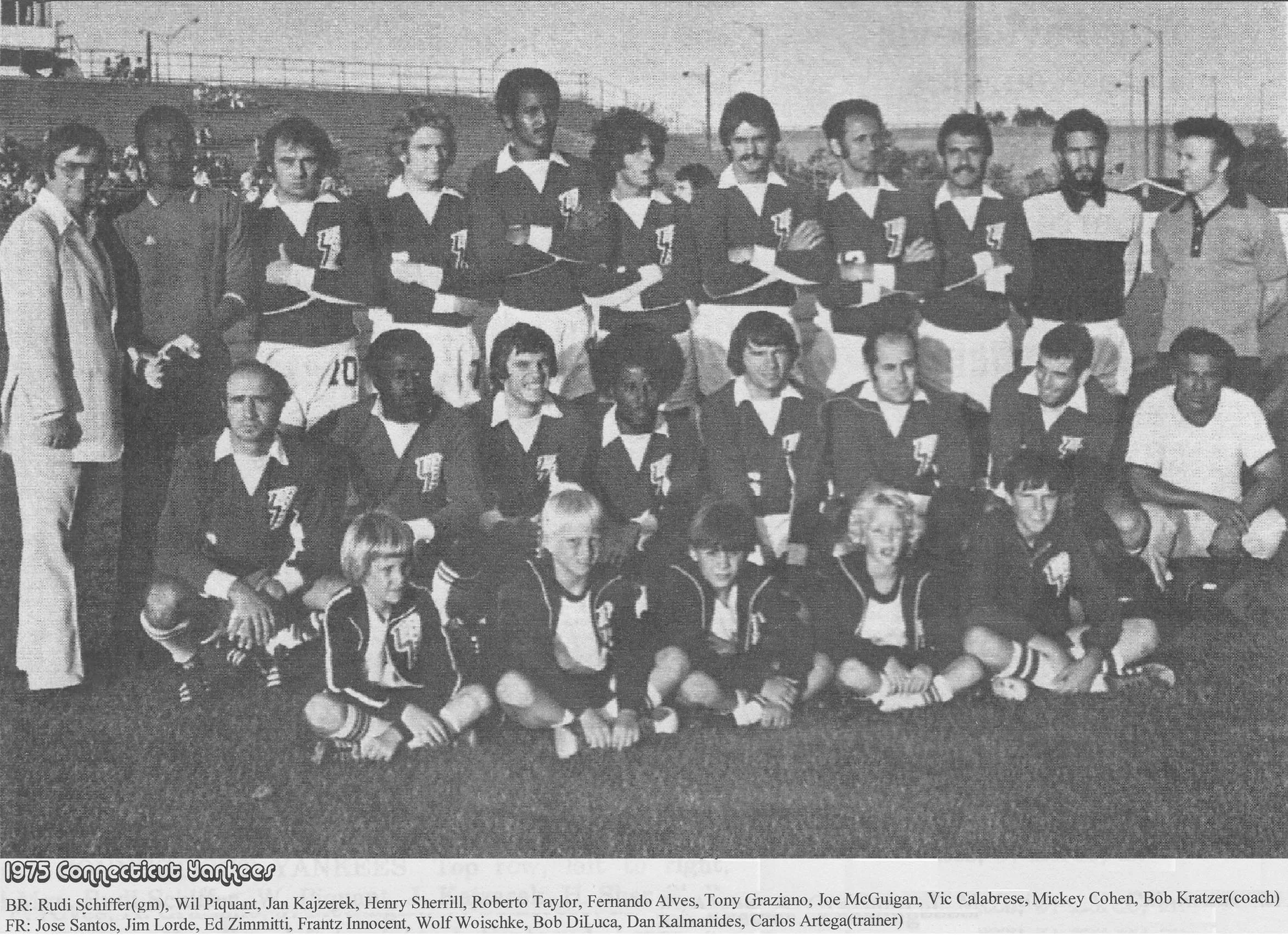
There was even a single franchise that began as Northeast United, became the Connecticut Wildcats, then the Connecticut Yankees, before disappearing too.
More teams. More leagues. More false starts.
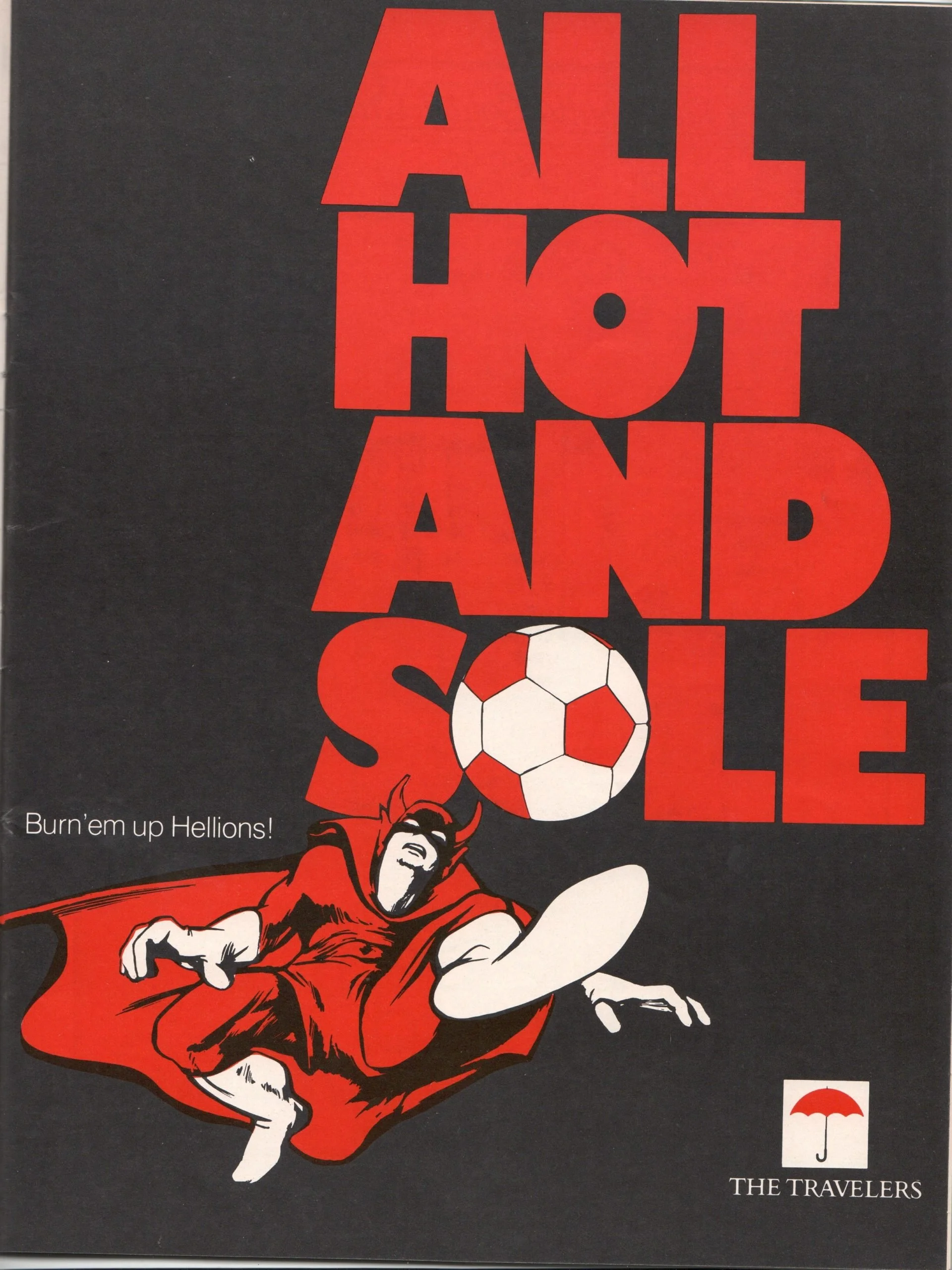
Hartford Hellions Advertizement
And yet in the last 150 years we are willing to bet soccer never left Hartford. There are not many cities that can say that. Anywhere.
It lived where the sport often survives best—in neighborhoods, parks, immigrant communities, schoolyards, and grassroots organizations.
The story of Hartford’s and Connecticut’s history in soccer is the subject of unique pop-up history exhibit, the Hartford Semiquincentennials over the next two months. Youl’ll find it featured at World Cup Watch parties and America 250 events such as the Hartford Bonanza. The exhibit will share the story of the sport in Hartford along with rare original artifacts from past teams. The City of Hartford is also promoting various World Cup events with a standalone website.
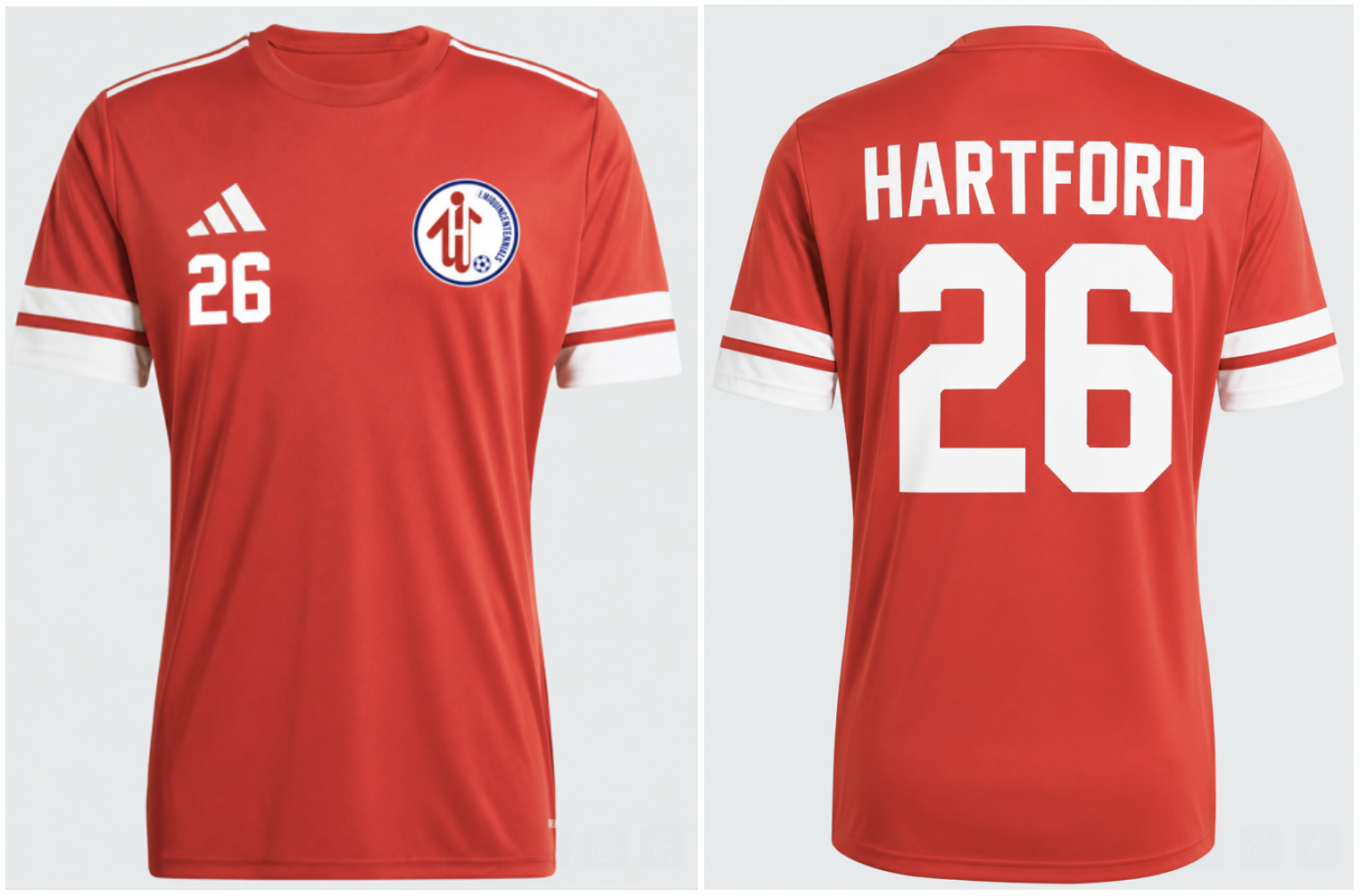
A mock-up of a Hartford Semiquincentennials Jersey, versions of which the exhibit will sell to support the Hartford Bonanza, Independence Day Festival.
Today we are in the newest soccer age in America. At home Hartford Athletic appears to be building something real. Their brand new Women's team points toward continued growth. Hartford City FC has even found a way to stick around after unscrupulous beginnings, ownership and league changes. Folks seem to be going for the long haul.
More to the point, in the community organizations like Active City and the at least three different youth soccer programs throughout the city continue doing the real work of growing the game and keeping it accessible at a time when big money is moving into a sacred civic space. Without grass root organizations like Hartford Soccer Club there might not be the rising star that is Patrick Agyemang.
Patrick, we are heartbroken you’ll miss out due to injury, and a huge shoutout to Coach Mike Torres, one of the many individuals whose dedication creates deeper roots for the game.
That story and those like it deserve more attention.
Hartford deserves its own World Cup moment.
We were always going to have to do it ourselves. That is what the Moka Pot was all about.
On June 6 at Colt Park’s Field of Gems futsal court, with Lindaluz Carrillo amazing court design, five Hartford coffee shops fielded teams in a recreational soccer tournament that is part fundraiser, part block party, and part love letter to the beautiful game. There was a DJ. Food. Drinks. Vintage soccer gear. A surprise or three. And an oversized-stovetop-espresso-maker (also known as a moka pot) trophy that the winning café gets to display until next year for a full year of bragging rights.
Unlike the World Cup we’ll be back next year.
It’s definitely ridiculous. Definitely completely sincere.
Hartford may not be hosting Messi, Ronaldo, Mbappé, Vinicisu, Olise, Yamal, Salah or Kane (honestly thought that whole between-NY-and-Boston malarkey would have finally been helpful to at least host a team camp somewhere in Connecticut).
We may not be receiving a billion-dollar infrastructure project.
But we do have our own soccer culture.
We have neighborhoods full of people who love and live this sport every day.
We have immigrant communities that use football as a global language.
We have young people who deserve access to play.
We have small businesses that make this city interesting (and well caffeinated).
We will find a way to make sure Hartford has the Semiquincentennial it needs.
We have every right to create our own celebration.
That’s the real promise of the World Cup—not that everyone wins, or gets a new metro system or a flashy stadium, but that people everywhere feel invited into the global conversation.
So no, the Hartford Semiquincentennials won’t be playing in the World Cup.
But Hartford will still show up. We will still stand up and be counted.
And if nobody is handing us a moment, we’re perfectly capable of making one ourselves.