

ALT ODDBALL ARTIST MARY FRAUD FINDS THE BEAUTY IN TRYING AND FAILING
CAFETERIA CHATS WITH THE MERIDEN-BASED ARTIST ON EXPERIMENTATION, TRANSNESS AND SELF-ACCEPTANCE.
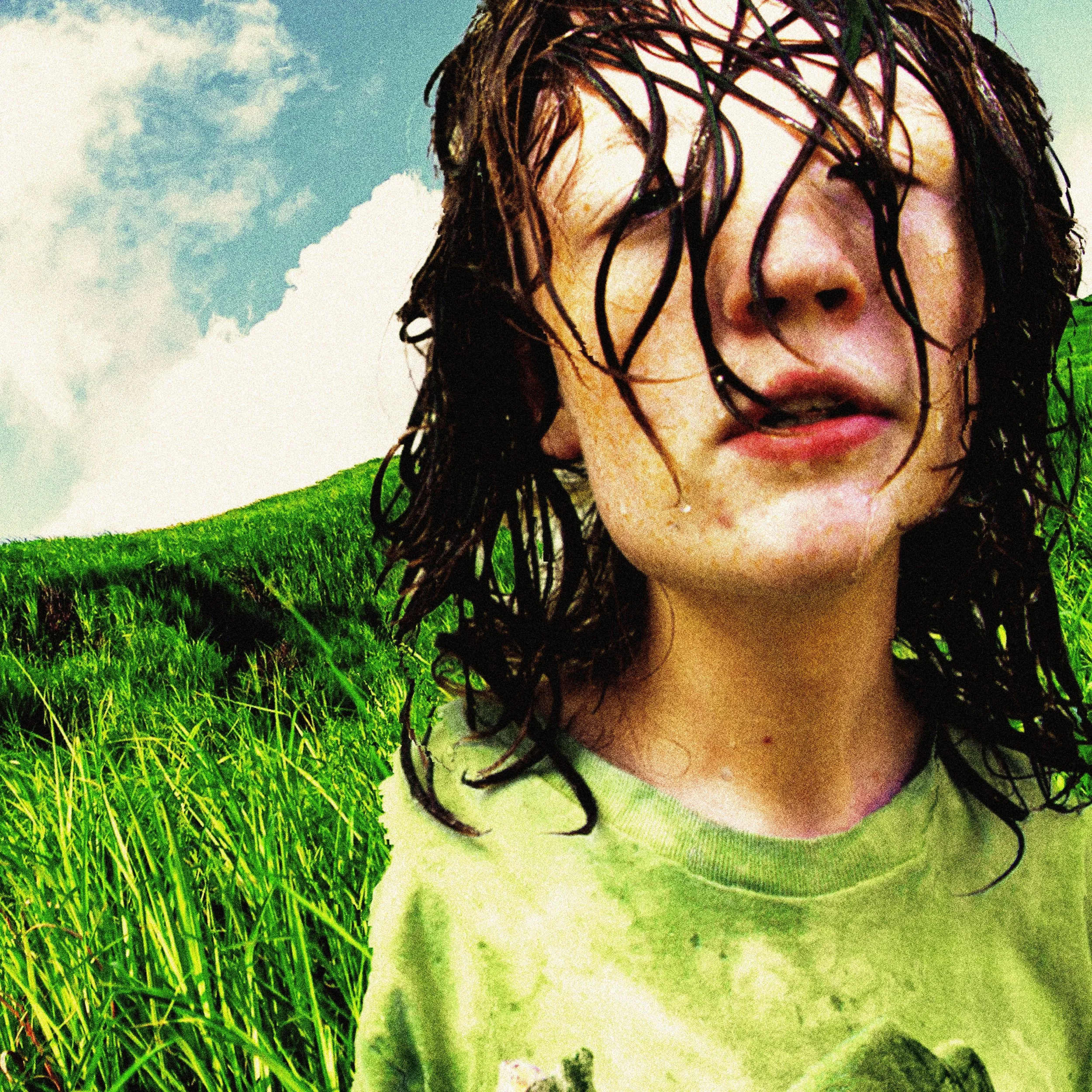
Born to The Beatles’ euphoric song “Here Comes The Sun,” Connecticut-based artist Mary Fraud has music in her DNA. From banging on pots and pans at the age of 2 to experimenting with dubstep as a tween, music has been the single red thread throughout Mary’s journey, transforming alongside of her. Describing her creative process as cathartic, Mary’s music is an outpouring of her subconscious and a form of rebirth itself. Signed with Funnybone Records, the emerging artist’s discography reveals an intense devotion and love for creating sonic worlds, grounded in vulnerable lyricism. Rooted in unapologetically honest songwriting and paired with quirky, frantic instrumentals, Mary exalts rhythm and melody into ephemeral heights, reflecting a deep admiration for the art form rather than applause.
However, self-validation and acceptance have not always come easy to Mary. “I thought that I wasn't a woman if I wasn't thin, shaven or high-pitched. I didn't think that I could come as I naturally am, still be a woman and be accepted,” the emerging musician shares. Trans or otherwise, gender norms wreck havoc on us all and force us into performing almost caricature-like versions of ourselves to adhere to society’s strict standards. Transness triggers others because of its inherent authenticity. “They look at someone who is doing something that is so unabashedly original and they get secondhand embarrassment because they're embarrassed of themselves. They're embarrassed of what they have inside of them,” Mary continues.
While transness is not at the center of her identity, what is anything if not a transition? Music making is both a transformation and an identity affirming process. Mary creates soul-squeezing sounds out of disparate odds and ends, exposing aspects of her inner world to both express herself and connect with others.
Continue scrolling to read the full interview below.
CAFETERIA: What inspired you to become a musician?
Mary Fraud: I’ve always been into music since I was a little kid. I wholeheartedly believe “Here Comes The Sun” played when I came out of the womb and listening to that song is what I imagine being birthed feels like. My grandmother realized that I kept pulling out pots and pans from the cupboard and banging on them while they were playing music in the living room. She ended up getting me a little kiddie drum set from Walmart when I was two or three. When I was eight, my mom's boyfriend picked me up from the YMCA and he wanted to show me this song. He played “Scary Monsters and Nice Sprites” by Skrillex and it was just the most magical thing I'd ever heard. I decided that I wanted to figure out how music was made. I asked my grandmother if she could buy me an FL Studio producer edition for Christmas when I was nine years old and she did. I got into the dubstep community and produced that kind of music for four years, but as I got older, I outgrew dubstep and explored other genres.
What is your creative process for songwriting? What inspired your latest single “Try?”
MF: I write music from my subconscious rather than trying to tell you exactly what's happening. I'd rather give you something that’s less on the nose. I also make at least 90% of my songs the day of. They go through a lot of different versions, but once I start, I just can't stop. It’s cathartic to dedicate my entire self to my music, but it can also be really unhealthy. When I began writing “Try,” it started as a chord progression I had on the guitar and I ended up putting that onto a piano instead. I just got the idea for the chorus sitting at my desk and thought it sounded a bit campy – how cliche is a song about trying and failing? I just wanted to figure out how I could do the most campy thing possible while also adding some layers of depth to it. “Try” is about transitioning and being a trans woman, but that's not the only thing that the song is about. It’s open to interpretation and can be about whatever you want it to be.
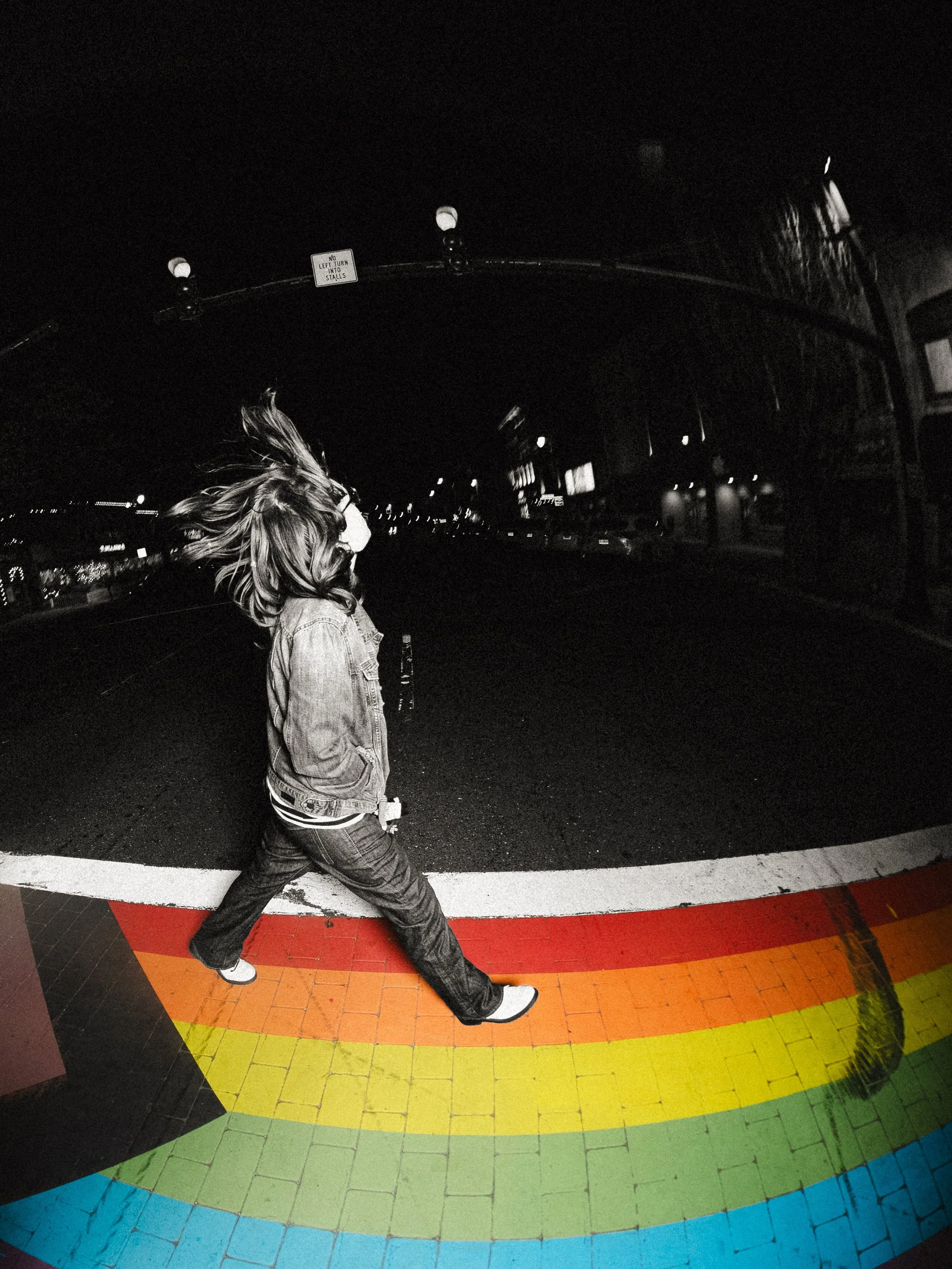
“Try” captures this awkward stage of life, transitioning from a girl to a woman. Can you speak to the importance of representing trans girlhood and how it falls under the umbrella of girlhood as a whole, as well as the universal experience of feeling awkward, but trying anyway?
MF: When it comes to trans and cis women, the conversation tends to focus on how we're different rather than how we're the same. I’ve attempted to transition six times over the course of my life, but at the time it was the mid 2010s. The idea of being trans means going to the opposite end of the gender binary and passing as much as possible. Realizing I was trans didn't necessarily mean realizing I was feminine. Women aren't always feminine and men aren't always masculine and that's where it gets tricky. You might psych yourself out, but what you really have to do is trust your weird hyper-specific vision of what you think would make you comfortable. I thought that the more feminine I was, the more makeup I wore, the thinner I was – the less dangerous I'd be to other women. Not only did I think that way because I thought it would make me more safe in spaces with cis women, but I also did it because I thought that I wasn't a woman if I wasn't any of those things – thin, shaven and high-pitched. I didn't think that I could come as I naturally am, still be a woman and be accepted. Eventually, I realized that idea is incredibly informed by misogyny. Those notions were forced onto me and actually hurt me in my transition and my perception of myself.
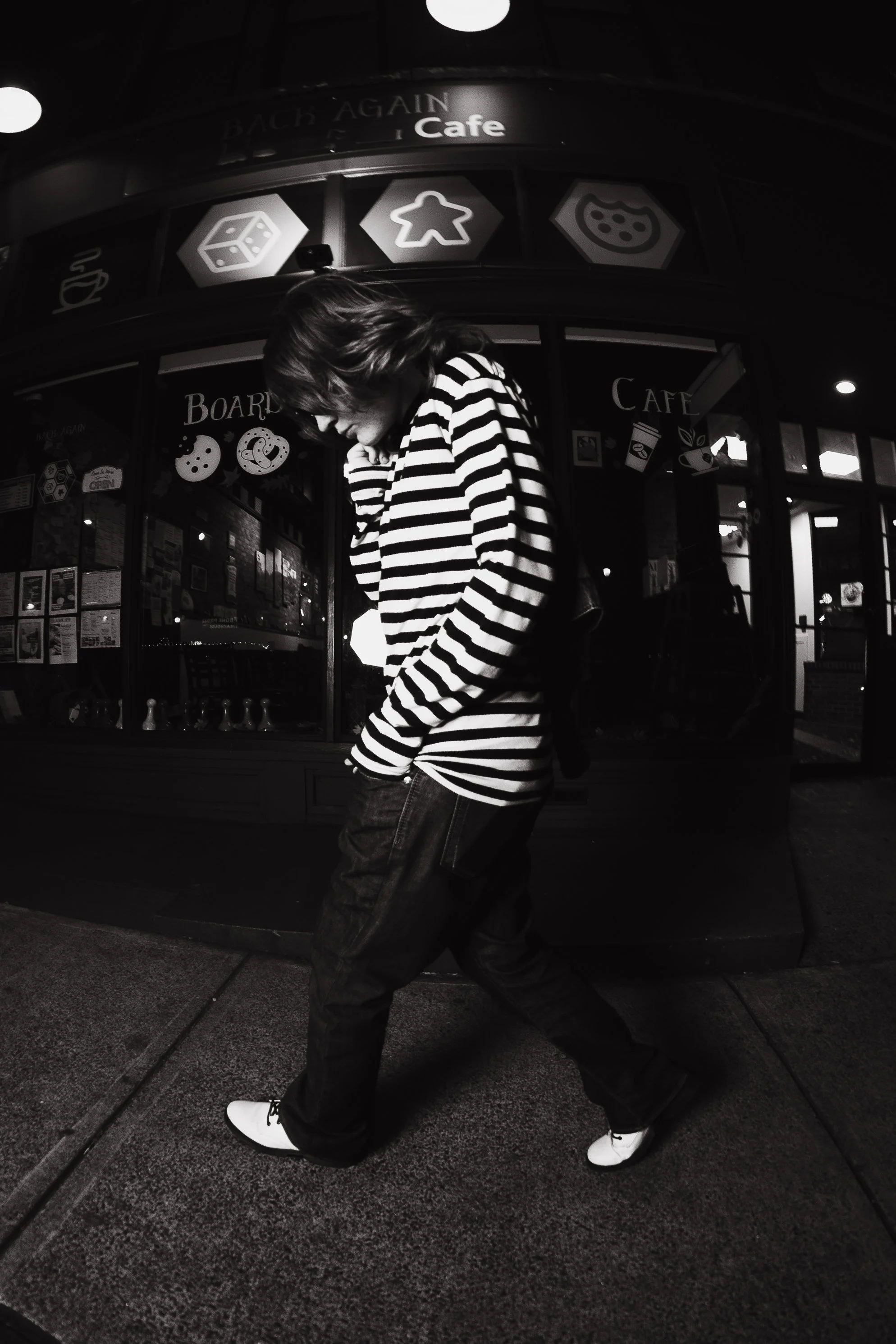
When everyone talks about how trans women are different from cisgender women, I always ask myself, “Are we actually that different or is it just the patriarchy that makes you think that way?” Being trans is no different than the universal human condition. There is so much bigotry towards trans people because there are so many people in this world that are cisgender that have parts about themselves that they are refusing to accept and express. Certain parts of their personality have just completely disintegrated over the course of their lives and are so buried underneath all of this fake stuff. They look at someone who is doing something that is so unabashedly authentic and they get secondhand embarrassment from that because they're embarrassed of themselves. They're embarrassed of what they have inside of them. Oftentimes, people with good intentions mistake being trans as this issue that exists in a vacuum, but it's not.
Would you say that the music making process for you is an extension of your transition?
MF: In some ways, it is. I guess when I'm feeling “extra trans” that day, it definitely comes out in my music, but what is anything if not a transition? There's always an air of femininity spewing from my subconscious and it shapes the way that I write my lyrics and sing. That being said, I have songs that speak to a lot of different things. In my opinion, what the queer community needs is to express all of the different sides of ourselves.
What feelings are you trying to capture and evoke through your music?
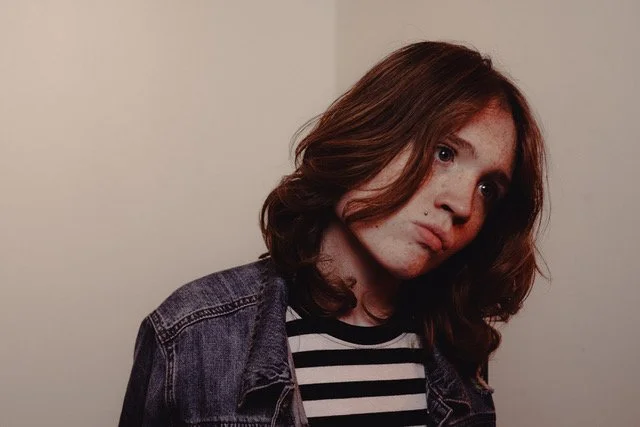
MF: The way that I see it, it’s not my job to try and evoke a certain feeling. Once the music is out, it becomes the property of the people, it’s their experience. I've listened to music that has made me feel a particular thing and then I go and find an interview from the musician and the way that they talk about the song, I'm like, “You guys are wrong about your own song. How can you be wrong about your own song?” Ironically, that's the best part, people having their own experience with and interpretation of the music you created. Human beings are so complex and I'd hate to dial back any of that complexity when it comes to expressing myself and my music. I think that the deeper I can go, the better.