

CAFETERIA CHATS WITH FOUNDER VIRGINIA SEMEGHINI TO DISCUSS THE POWER OF FINDING COMMUNITY & CONFIDENCE THROUGH CLOTHING
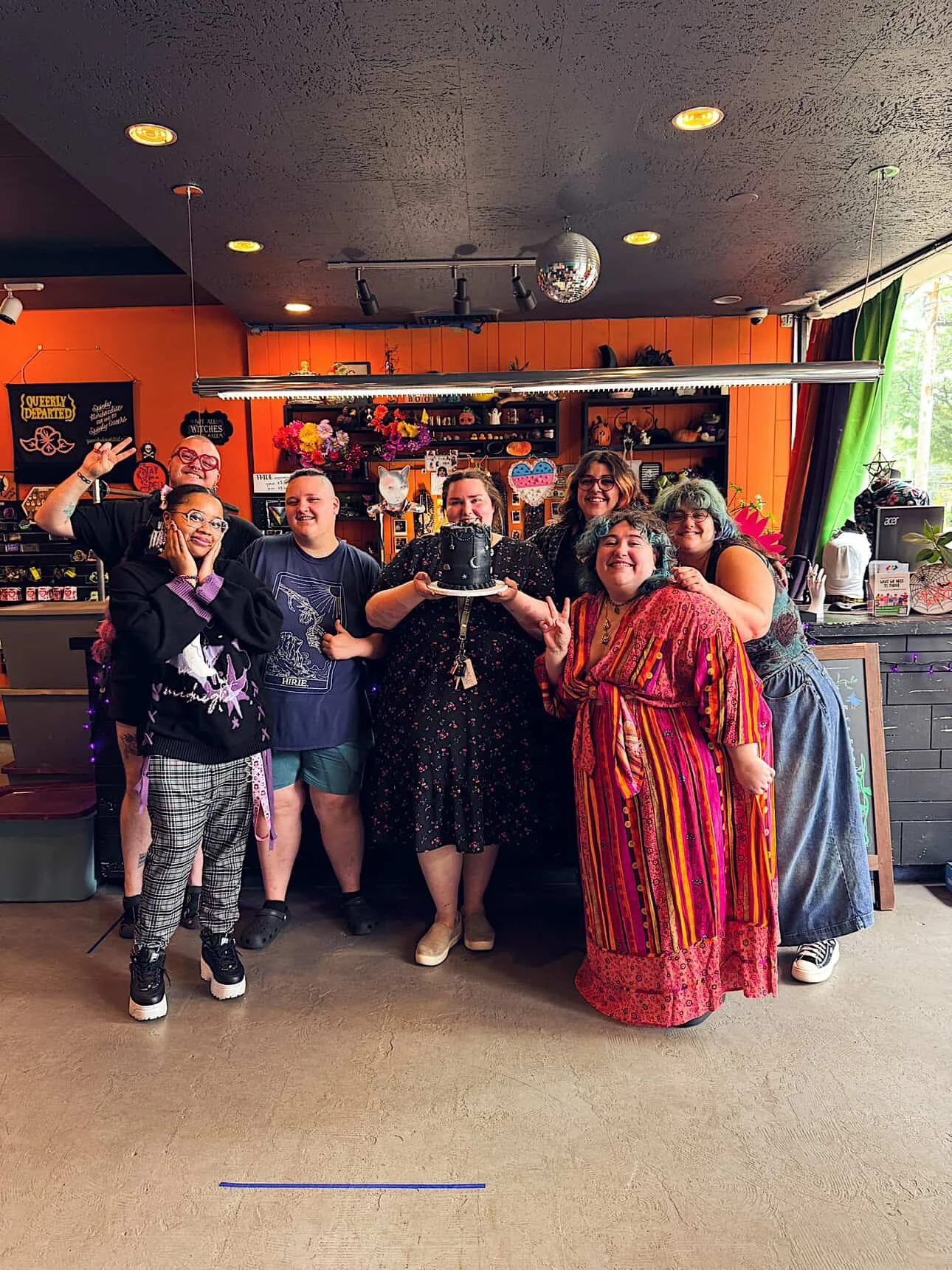
Everyone, regardless of size, deserves to wear clothing that is comfortable and cute. Witch Bitch Thrift founder Virginia Semeghini created what she wanted to see in the world, alchemizing traumatic shopping experiences into a size-inclusive, secondhand store. In the midst of the pandemic, Witch Bitch Thrift was born out of boredom, curiosity and a radical reimagining of what shopping for clothes could be like.
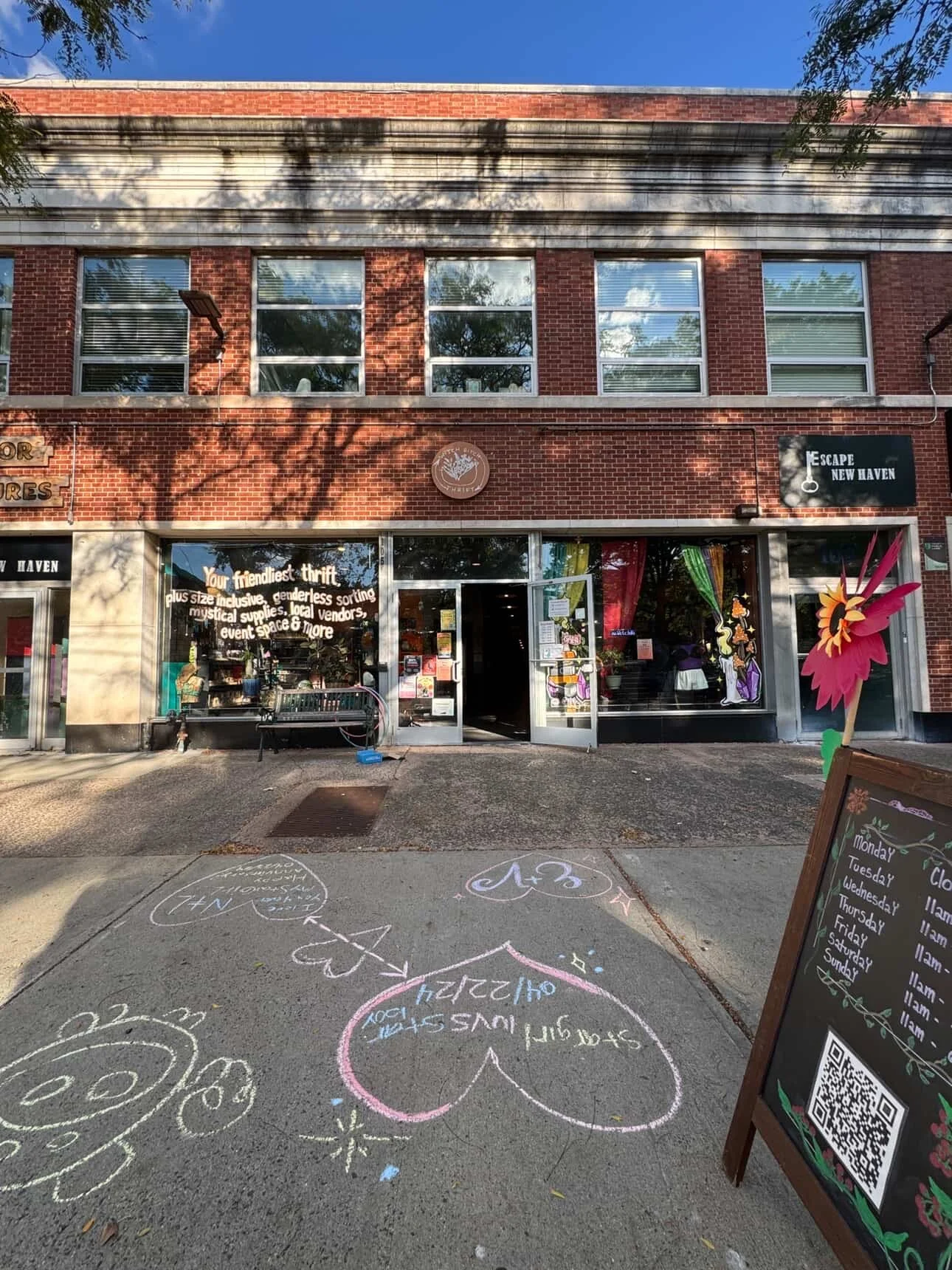
“During quarantine, when I was stuck at home, I started wearing all the clothes I had in my closet that I didn't dare to wear outside and I realized how much I loved it,” Virginia shares. What started as a personal challenge quickly became a revelation as Virginia realized that clothing could and should be joyful, affirming and worn without fear. Clearly, she was not alone as people were hungry for a secondhand space that centered inclusivity. Witch Bitch Thrift quickly expanded from an Instagram page to an office space, and is now both an online and physical store. Today, Witch Bitch Thrift’s New Haven storefront is more than a retail space — it’s a community hub.
At its core, the queer-owned thrift store challenges fashion’s fatphobia, fast fashion dependency and myths around secondhand clothing. By prioritizing size-inclusivity, fair labor practices and accessibility, the shop proves that thrifting can be elevated without being exclusionary. Witch Bitch Thrift isn’t just about clothes — it’s about dignity, connection and making room for people who have always deserved to take up space.
Continue scrolling to read the full interview below.
CAFETERIA: What inspired you to open Witch Bitch Thrift?
VS: I was really bored during the pandemic. Believe it or not, I was very much not a fashion girl at all, I was strictly a “jeans and t-shirt” situation. However, during quarantine, when I was stuck at home, I started wearing all the clothes I had in my closet that I didn't dare to wear outside and I realized how much I loved it. I was like, “Wait, I actually feel really good.” That led me to realize other people must feel this way, but I was also aware of how difficult shopping for clothes always felt for me and how traumatizing that experience can be, even as a child. It all clicked one random morning when I realized that I needed to create what I wanted to exist in the world – a size-inclusive, secondhand shopping experience.
I joked to my then girlfriend, now wife, that I wanted to call it Witch Bitch Thrift and the night we got engaged, we scheduled a business meeting for the very next week to make it happen. Initially, our plan was to only be e-commerce and we started selling clothes from our closet and from our friends on Instagram before we even had a website. When we had our first drop, people showed up and it became clear that there was a real need for this.
We started expanding very quickly and eventually got an office. We scheduled shopping appointments, but soon people would start showing up at our door unannounced. We also started getting a lot of attention on TikTok and went viral a handful of times. I remember being alone in the office one day, packing orders and somebody knocked on our door. I was like, “Hello, how can I help you?” and they said, “I saw you on TikTok. I'm here to shop.” I was completely flabbergasted. It just exploded from there. We moved out of our office to our store in New Haven and have been here ever since.
Let’s talk about size-inclusivity, especially when it comes to second hand clothing. How does WBT dismantle the overt and covert fatphobia within fashion, but especially vintage fashion?
VS: I think that plus-size clothing often gets overlooked in secondhand spaces. People say that there aren't a lot of plus-sized vintage clothes just because people weren't as big back then, which is not true. The fact is that people were always fat, but back then, a lot of clothes got repurposed and reused.
People would either wear it until it was literally falling apart or if the garments were passed down to someone else, it was likely adjusted or turned into two different garments. The myth that fat people didn’t exist back in the day is also a product of survival bias. What was documented and preserved represents an ideal standard, not reality. People didn't necessarily want to cater to documenting bigger bodies.
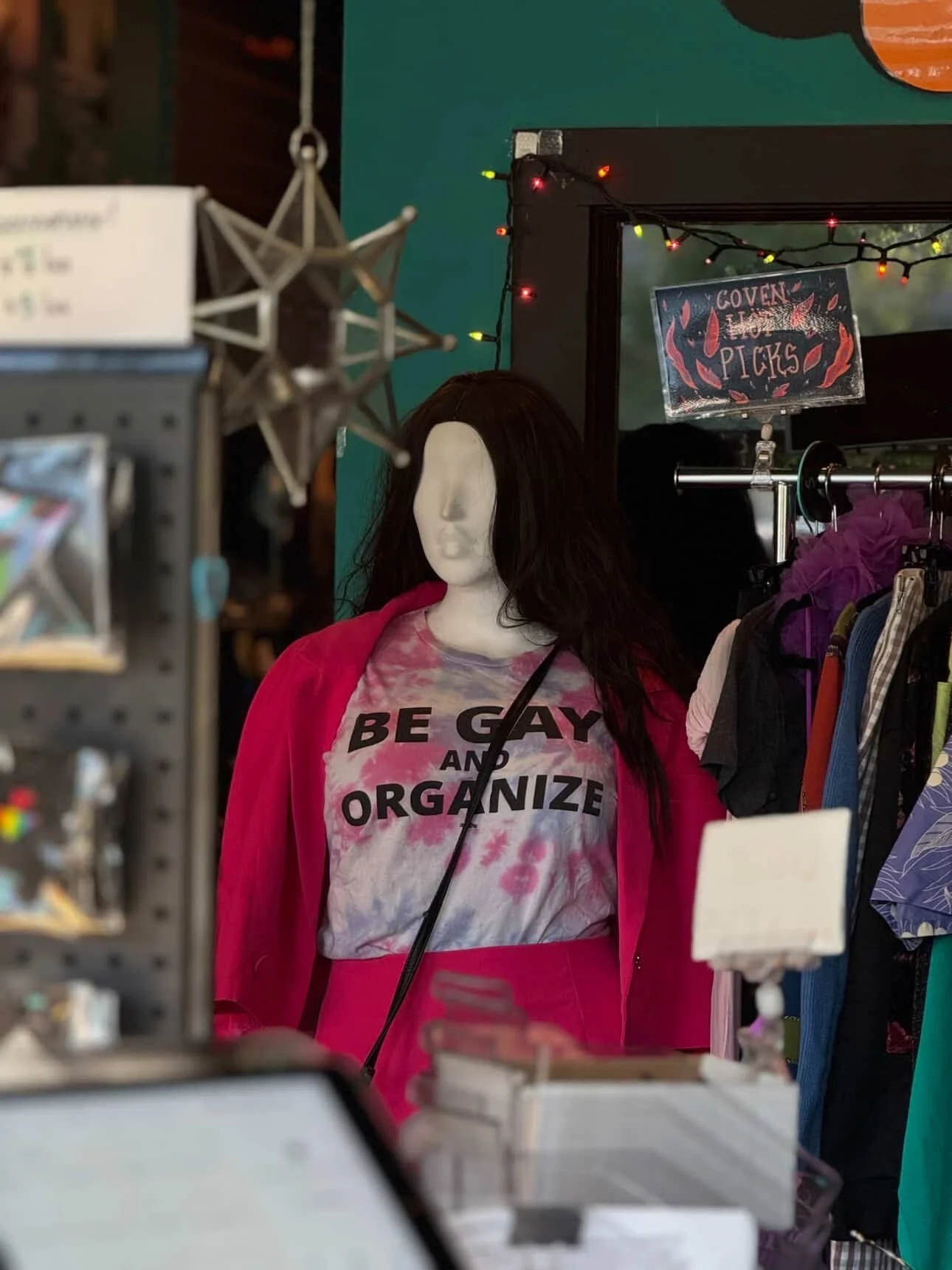
Even the items that do exist, they often get overlooked. Anytime I travel, I go to vintage and thrift stores. If they do have any plus sizes, it's only three items. If you’re lucky, they’ll have above a 2X, but for the most, it’s only between XL and 2X. I've spoken to other shop owners and they're worried that offering more plus-sized clothing is not going to be worth it for their business. Meanwhile, plus size people are begging to shop places. They are begging to spend their money on these brands and at these shops. I don't understand why people are so reluctant to be more inclusive. People have been fat forever and they're still fat now. They still need and deserve clothes that are comfortable and stylish. It doesn’t always have to be a cold shoulder or a frumpy dress. I would love to be able to work even more towards diminishing that sense of dread that people feel when shopping for clothes.
How does WBT remind people that secondhand clothing can be stylish and that it should be our first option rather than fast fashion?
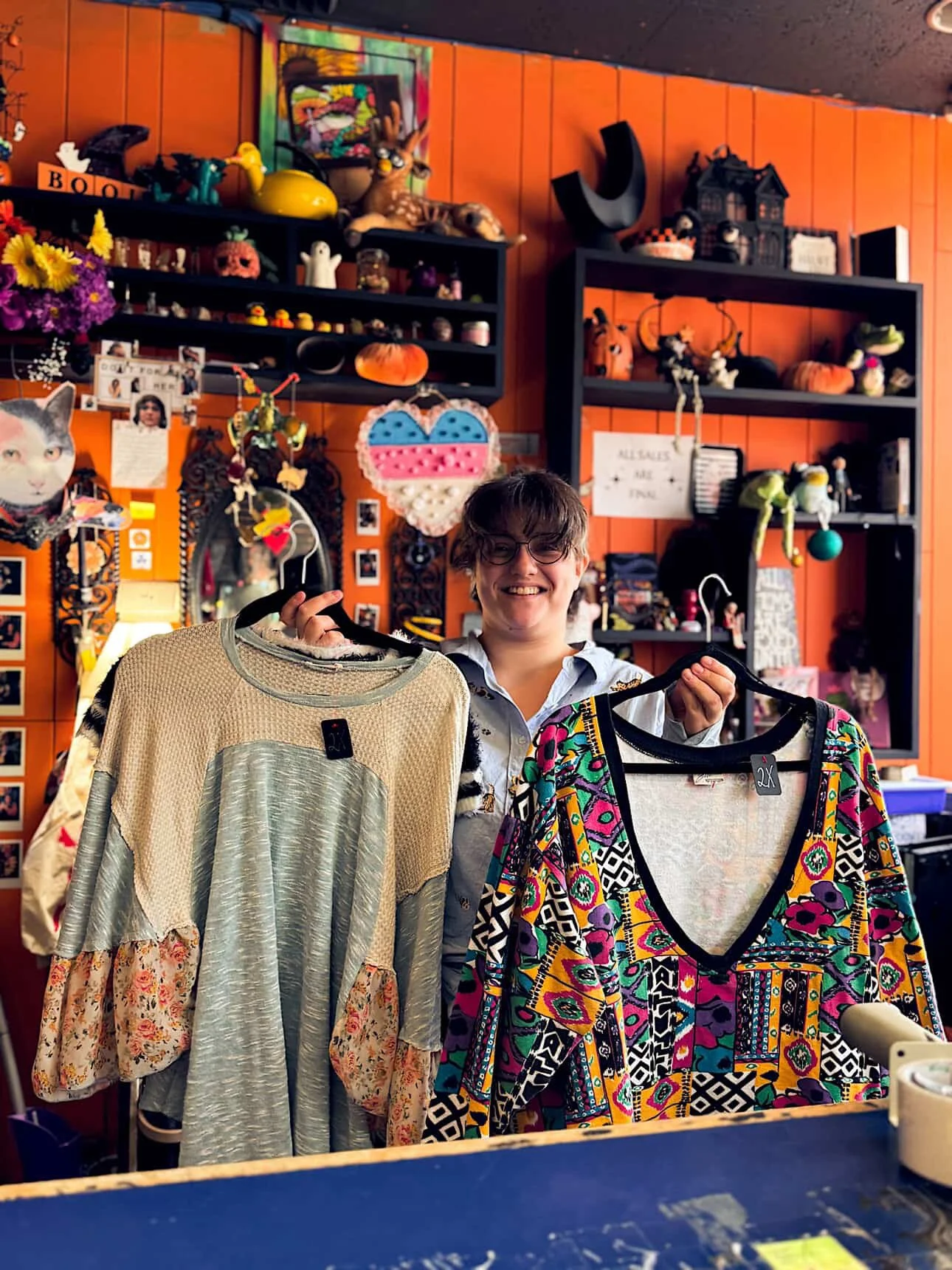
VS: Our mission is to destigmatize secondhand shopping. That’s one of the main concepts behind everything we do when it comes to not only how we portray ourselves on social media, but on our website and any public-facing communication. I create pretty much all of our content here and education is really at the heart of it. I try to discuss and dismantle the negative myths surrounding secondhand shopping. I've heard a lot of people say that, “Oh, thrifting is just gross. They're just buying things that are used.” It’s important to remind people that when you're buying clothes that are new, they're not any cleaner. They're often dirtier because they have gone through so many pairs of hands because clothing is manufactured by real people. Fast fashion goes through so many different stages of manufacturing, packaging and shipping. Just because it’s new, doesn’t make it any cleaner than secondhand clothing. So many people envision bins of dirty clothes when they think of secondhand clothing, but we try to skip that and do a lot of quality control to take the pressure off of the customer. On the other side of the spectrum, people might expect secondhand clothing to be automatically cheaper, but if we sold apparel for $3, we wouldn’t be able to pay our staff a livable wage and educating people on the value of labor is also a part of our mission. Shopping secondhand should be the first option, not just because it’s more accessible, but because you’re not supporting exploitative practices or damaging the environment.
We're always trying to strike this balance of portraying secondhand clothing as elevated, but not necessarily unaffordable. Our prices are very fair, especially in-store. People often come up to us and are surprised that our prices are lower than what they expected. We're trying to stay affordable because we're not catering to people that can spend $50 on a t-shirt.
We're catering to everyone that wants to show up and get something cute. For a lot of folks, their first time thrifting is when they visit Witch Bitch Thrift. Our goal is to balance affordability and accessibility, while still providing an elevated and curated experience.
Having both an online and physical store, could you speak to the value of maintaining a brick and mortar location in a digital first age?
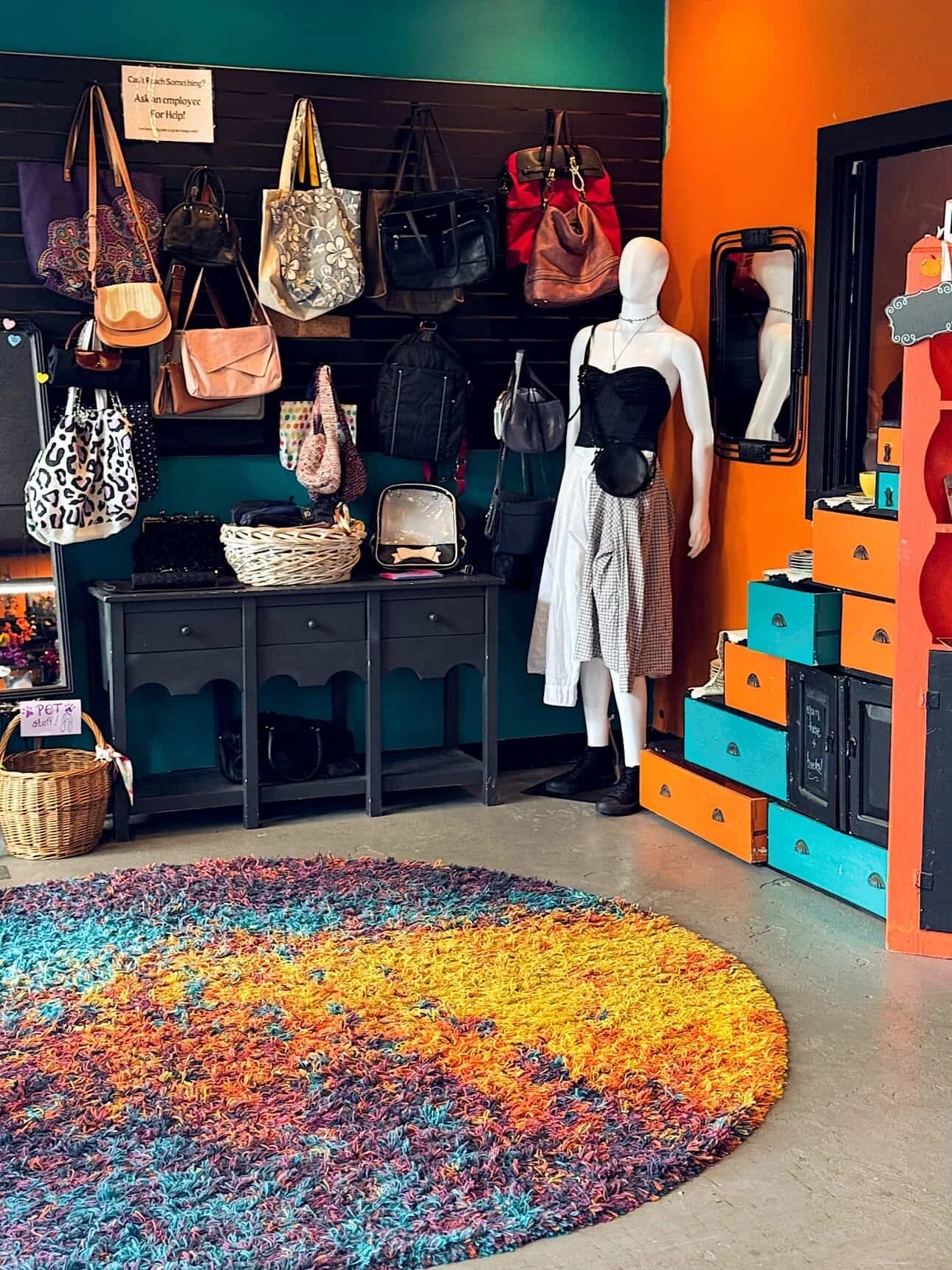
VS: The importance is in building community. For us, having a physical store was never the goal, but our journey took us there. Having a physical location connects us with the community in a really cool way. People don't just come here to shop, they come here to hang out. We've made it very clear to our people, especially those in the neighborhood, that we don't care if they come in and don't buy anything. It's not frowned upon.
A lot of folks come here to just chill and talk to us. The staff that works at the store is so lovely. People come to talk to them and share updates about their lives. A lot of our staff has become friends with customers and now they hang out outside of Witch Bitch Thrift. We know everyone by name. If they don't show up for two weeks, we're following up with them to make sure they’re okay. There's a level of human connection that comes with having a brick and mortar shop that is very unique. People travel from all over the country and will plan a trip just to come here. They feel special being able to come in and spend time here. We don't take that for granted. There’s so much community care that goes into what we do.
Do you think small businesses can provide safe third spaces while thriving financially? How do you prioritize people and profit?
VS: It’s a balance that we’re still learning to this day. If you’re a business that wants to give back and offer space and resources for your community, it’s important to be intentional with your generosity. We got to a point last year when we were giving so much, but it was hurting us in the long run. It’s not a bad thing to be passionate about doing good things within your community, but it’s important to be mindful so you don’t burn out.