

CONNECTICUT YEARNS FOR COMMUNITY & CONNECTION.
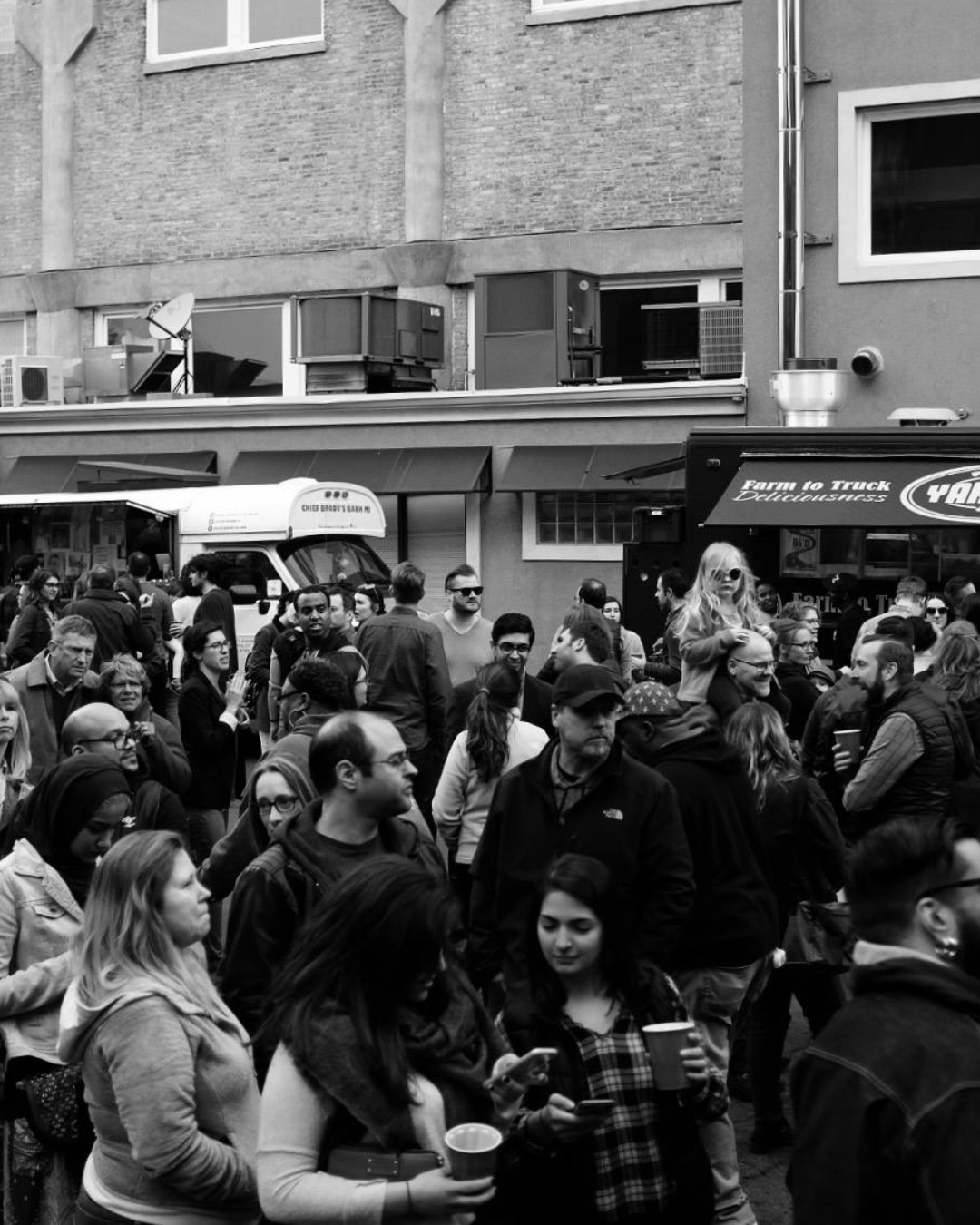
Why is Connecticut so dry? Both tired locals and bold visitors have uttered this phrase and honestly, who can blame them? The common complaint about Connecticut is that there is nothing to do. While the Nutmeg State has its virtues, the lack of third spaces, namely in Hartford, can be frustrating. Despite a flourishing creative economy and a growing entrepreneurial community, there are only a handful of affordable places to gather. It can feel like a merry-go-round, rotating through the same few bars and restaurants, but eventually it gets stale, not to mention expensive. Most places require an admission fee and in this economy, a $15 drink plus a $20 cover can be a barrier to entry.

With a scarce number of places to just hang out, it’s no wonder so many of us are lonely and disconnected, setting up residence on social media and live streams for solace. While it seems like politicians and legislators might not see the value in third spaces, accessible communal hubs are vital to a city’s ecosystem. They give residents and out-of-towners spaces to connect, rest and truly be in community with one another. Civic engagement often happens in coffee shops and public libraries, as affordable spaces offer us room to breathe and enjoy interactions that are more than just transactional. Although a few coffee shops, stores and stadiums are popping up around downtown, it feels as though people only visit Hartford for a ball game and dinner. Obviously, it’s important for business owners to make a living, but more than anything, third spaces are vital for cities and its residents to thrive, not just survive.
Helena Fernandez of Helena’s Casita shares, “It’s important to take pride and invest in Hartford as the capitol of our state. It's really disheartening when people visit and say, “I just came here to go to the Mark Twain House,” which is great, but Hartford has so much more to offer. I want people to see Hartford as a great place overall and not think that you can only go downtown or to the West End. People that aren't from here may feel intimidated by our culture and our spaces.”
Affectionately known as “Homocide Hartford,” our reputation does precede us, but in recent years, crime has been on a steady decline, while small businesses in downtown Hartford have been increasing by the number. However, it’s hard not to wonder if the recent influx of eateries and gift shops might be targeted towards a different population than the folks who live here. How can Hartford residents enjoy the small businesses in our area if we can’t afford them?
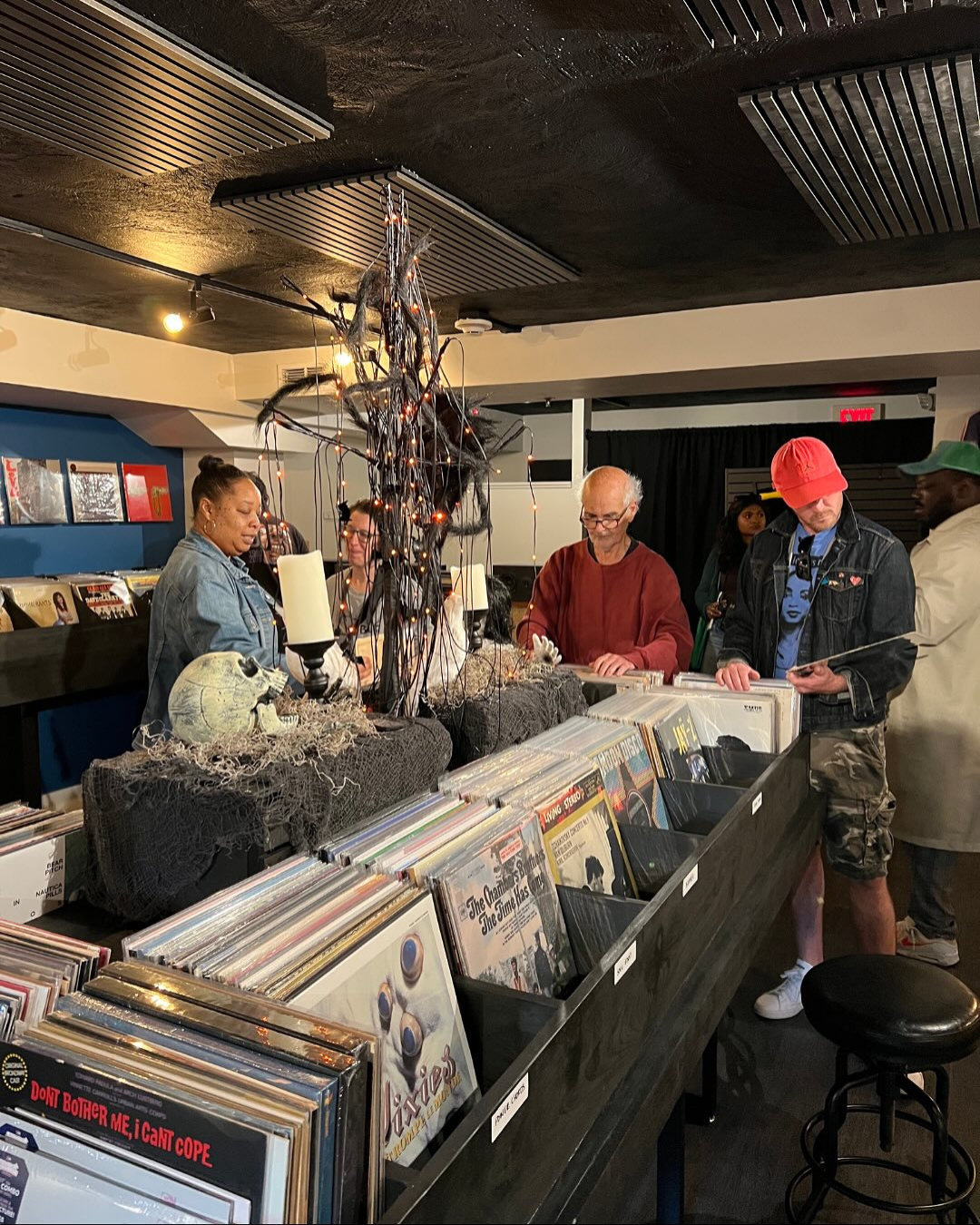
Of course, we have some amazing and inclusive places like KNOW GOOD Market, Semilla and Story & Soil. While having a few special places is sometimes better than having an abundance of mediocre options, for a population of over one million in the Greater Hartford area, we need more accessible third spaces than we can count on one hand. “Sometimes, it's hard for me to know where to go. I tend to find myself circulating the same few coffee shops and bars to see friends and familiar faces. It’s not that I value quantity over quality — the third spaces we do have are so special. However, it is notable how few third spaces we have locally.” Dylan Healy, founder of Funnybone Records shares.
Zoning laws, early closing hours and lack of accommodations for physically disabled folks can prevent many hopeful community organizers from creating their own third spaces. “It can feel like there's a direct relationship between the way the city and landlords can sometimes combat our goal of having an abundance of those spaces that we need,” Dylan continues. Lack of transparency around pricing allows hinders many from setting up their own places. “Landlords often don’t list the price for commercial real estate listings and it feels as though you have to know someone who knows someone to get anywhere. It feels like a monopoly,” Helena adds. The city of Hartford does need to support its community and recognize that affordable third spaces are just as valuable as package stores.
So what do we do? If we can’t rely on the powers that be to create and help fund the third spaces the city needs, the onus is on us.
“We're always looking for third spaces. We need them. They feel so rare in this state for some reason, but they are so vital to any city’s ecosystem. Creative third spaces are where art, culture and music become lived experiences because it's not just about consuming the music. It's about being present and sharing space with others — a place where you feel like you can belong somewhere. Whether it's listening rooms or DJ nights or secret shows, they give audiences and artists places to connect and experiment, as well as share their work in meaningful and memorable ways.
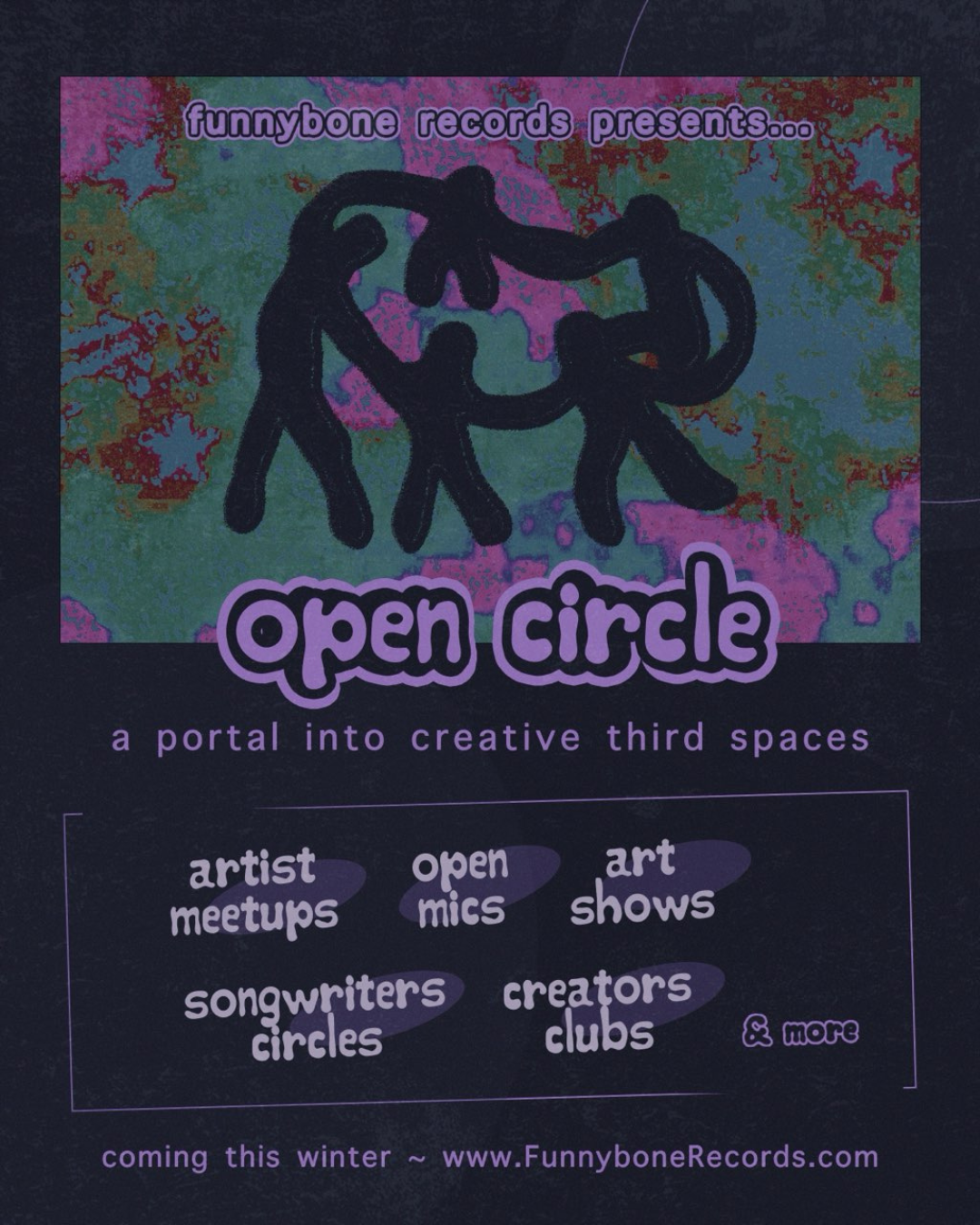
“To even have a quiet, warm place to exist around others and connect is a gift. We’re rolling out a creative-social series soon called Open Circle to do exactly that. Each month we’ll host a free event in various locations, rotating between artist meetups, open mics, songwriters circles, creators clubs, art shows, open deck nights, dance nights and more. We want to create spaces for folks in CT to connect IRL and collectively revitalize word of mouth so we all don’t feel like social media is the only way to be tapped in with what’s happening,” Dylan continues.
If everyone wants a village, we need to be good villagers and show up for our community. It can be tough leaving the house sometimes, but attending free or low-cost events — actually showing up — enables community organizers to continue hosting the fun activities we desperately need to enliven our city.