

HIP HOP FOR THE HOMELESS SHINES A LIGHT ON THE MOST VULNERABLE & INVISIBLE
CAFETERIA SITS DOWN WITH FOUNDER JOEY BATTS TO DISCUSS THE IMPORTANCE OF AWARENESS, EMPATHY AND COMMUNITY
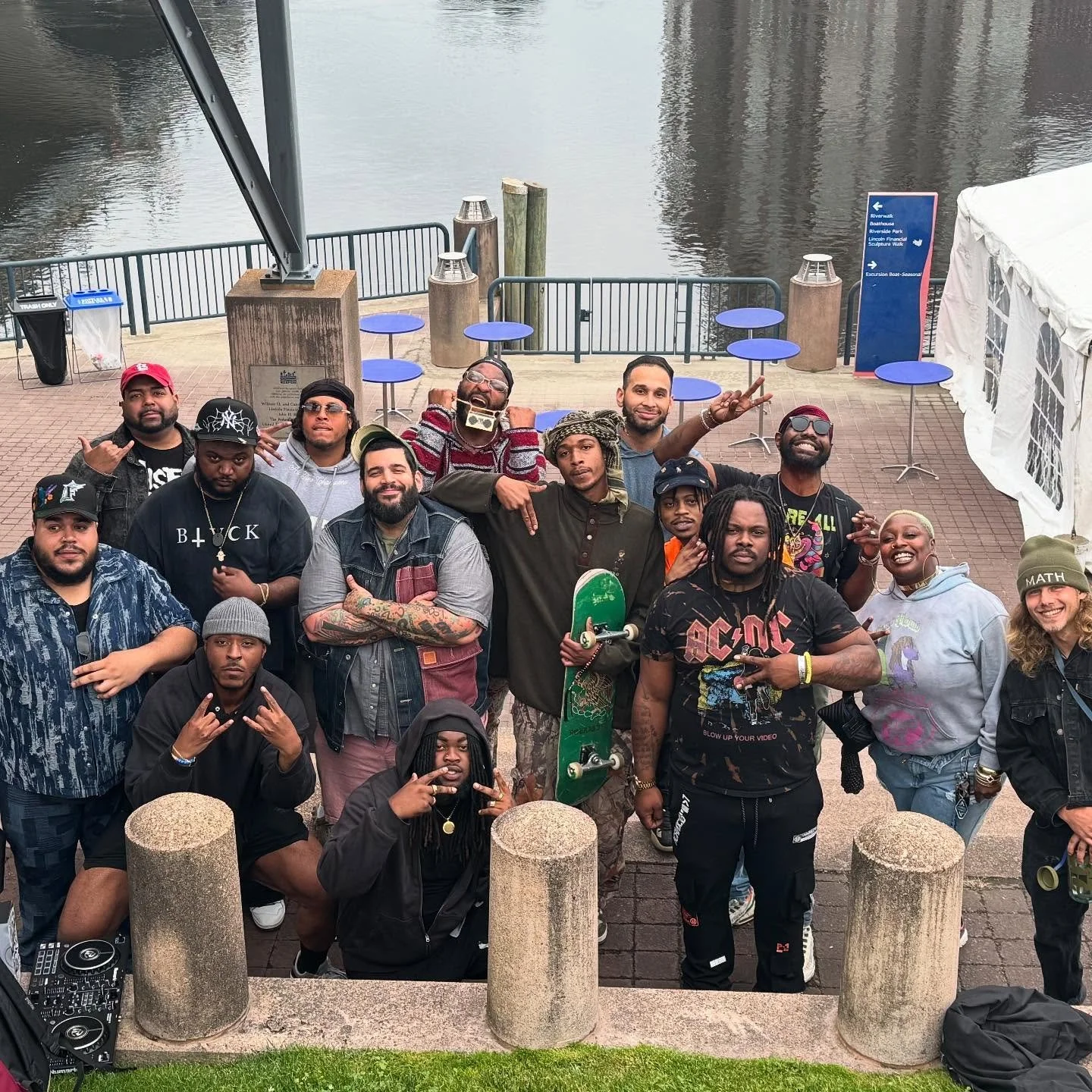
You are one or two paychecks away from experiencing housing insecurity, a lot closer to becoming homeless than you are to becoming a billionaire. As the wealth gap increases between the elite few and everyone else, and as those with jobs struggle to make ends meet, the narrative around homelessness is changing.
Hip Hop for the Homeless has been leading that change for 12 years. Founded by Joey Battaglia, also known as Joey Batts, the series of concerts encourages empathy and awareness for society’s most vulnerable and invisible. While a homeless man will go viral for rapping online every few years, Hip Hop for the Homeless is making sure all eyes stay on this important issue as housing insecurity is on the rise. “The hope is that awareness and empathy trickle down to people supporting our cause and helping us with our mission. Music brings people together and when communities start to form, their minds are open to considering ways to uplift the people around them and putting their energy towards a greater cause,” Batts shares with Cafeteria.
“It’s nice to donate if you can, but we don’t turn anyone away. We just want people to be there, catch a vibe and share the love with us. That energy vibrates way more through the community because it activates a side of our empathy and gets people to think differently about the houseless and homeless population,” Batts continues.
Free to attend, Hip Hop for the Homeless is inclusive to all — not just hip hop heads, but concerned citizens who want to support all of their neighbors, even those without an address. Starting this Thursday, December 4 in New Haven, Hip Hop for the Homeless embarks on its twelfth year of bringing people together and uplifting every member of the community, as well as ensuring that the invisible and voiceless are seen and heard.
Continue scrolling to learn more about Hip Hop for the Homeless and what you can do to support your community.
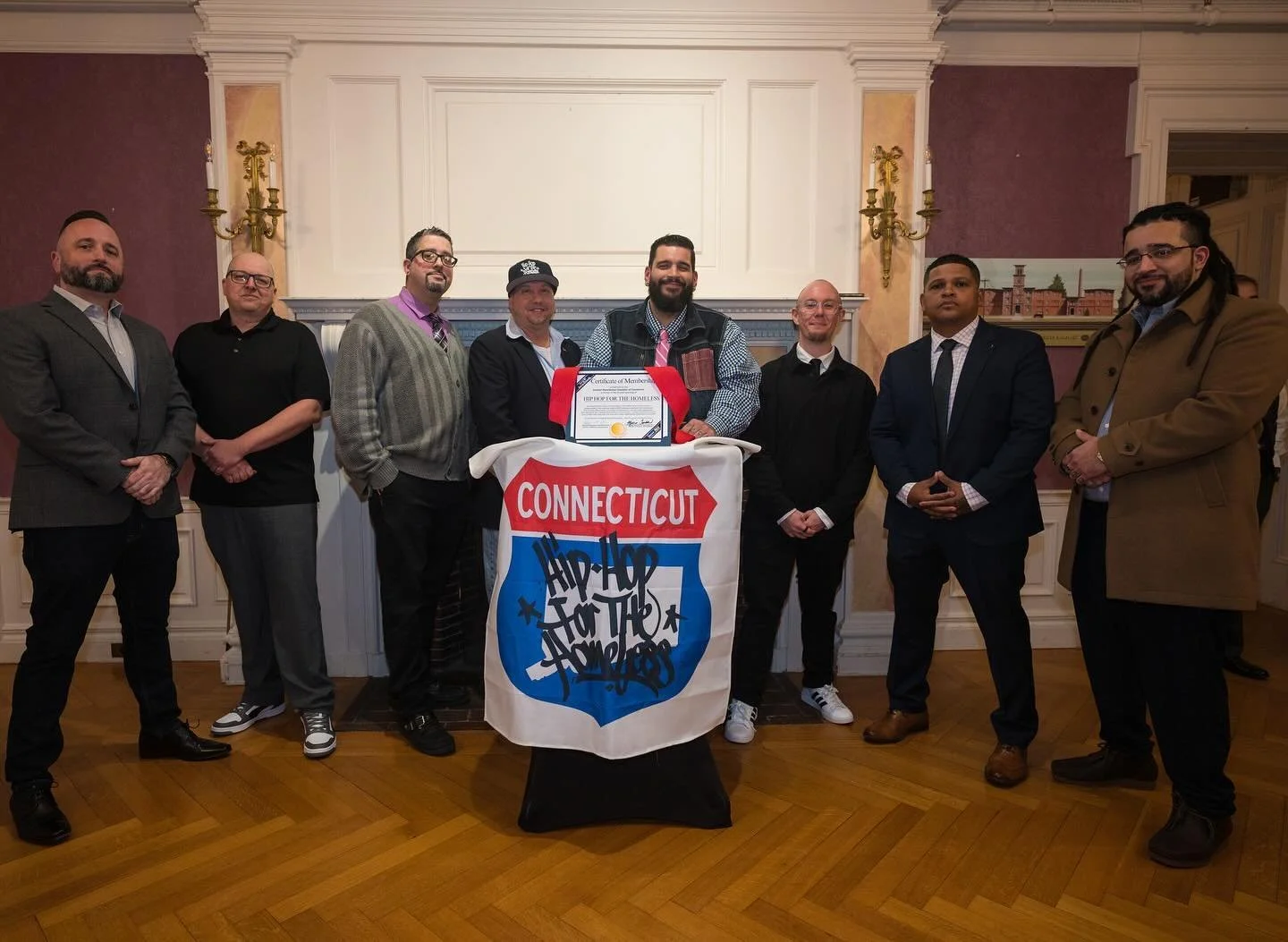
Cafeteria: Now that Hip Hop for the Homeless is in its 12th year, how has the concert evolved and grown over time?
Joey Batts: It definitely looks a lot different than it did when we first started. The biggest evolution has been board members taking the onus to run and book certain shows. With that comes a different idea of how they want to build the night and what performers they want to see on the stage. Muggsy is taking the helm in New Britain and is very hands-on with his approach, regarding the MCs and artists. The Norwich and New London shows are curated by Stryfe, whereas I’m able to focus my energy on the Manchester and Hartford shows to make sure everyone has the opportunity to play multiple stages.
Have you seen performing artists grow along with the concert series?
JB: Oftentimes when it comes to repeat performers, I’ve seen them grow as artists throughout the years or as they play other stages beyond Hip Hop for the Homeless. It’s always nice to see the difference in energy. They truly bring so much more of their performance and lay it all out on the line because they know that the stakes are more serious for HH4H. They want to impress new fans and the big crowds that we get. Additionally, it’s been nice to see audience members become performers. They initially come out to support the cause and have told me that they want to be a part of the concerts. A year or so down the line, they get the opportunity to perform and become a part of the bill. They take it very seriously and professionally, so that’s always nice to experience and witness that growth.
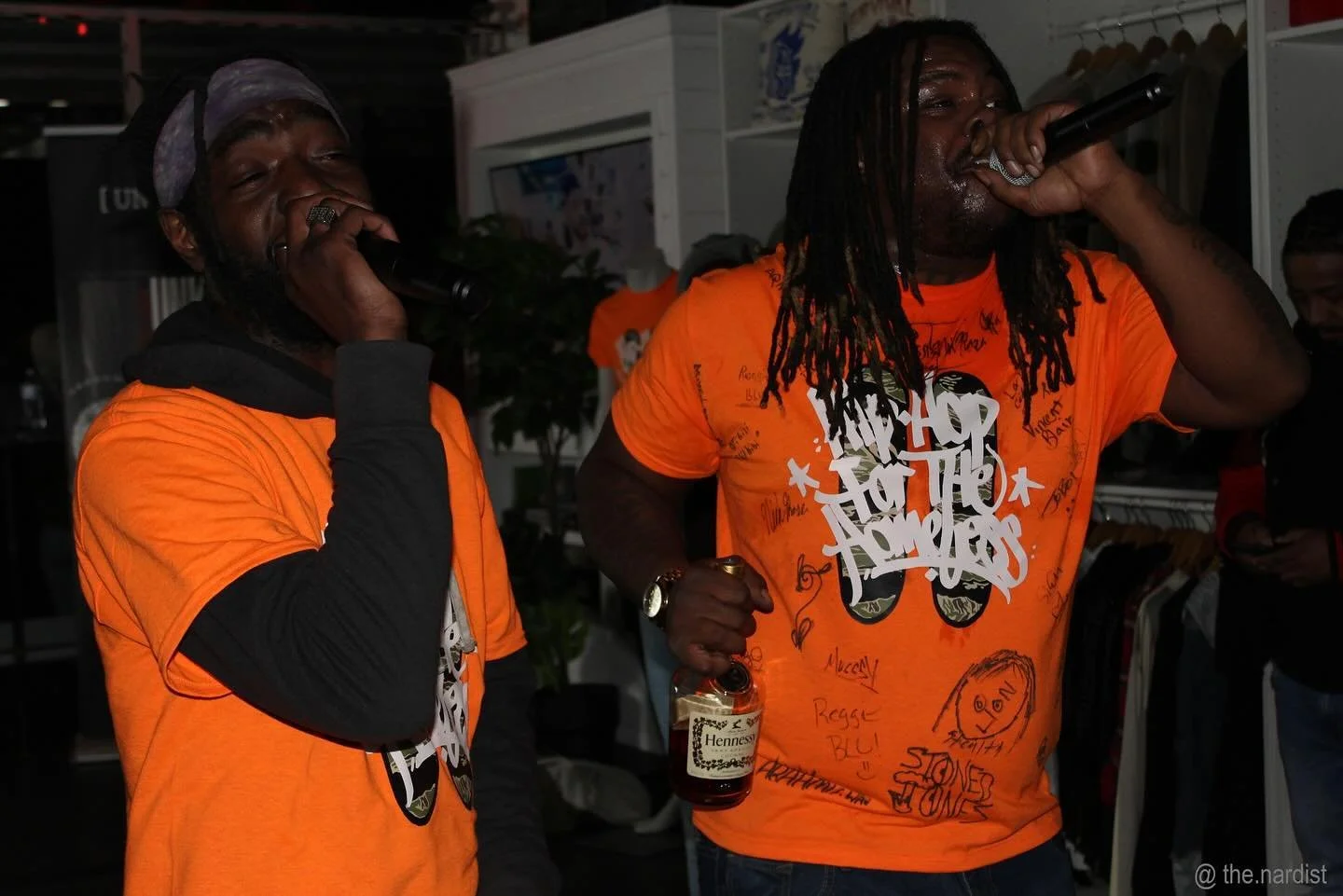
Now that Hip Hop for the Homeless has been running for over a decade, what do you envision for its future?
JB: I would be so blessed — tomorrow is never promised, but in an ideal world, I would love to see Hip Hop for the Homeless in different markets beyond Connecticut. I would love to see us in different towns and cities that we have not played yet. As much as we love our current venues, it would be amazing to play in bigger spaces with possibly even touring acts headlining HH4H concerts.
Do you think that music can be used as a tool to bring people together and shift the narrative around homelessness?
JB: Undoubtedly, everyone agrees that music can bring people together, even when we’re discussing polarizing genres. Once humans agree to come together and once we truly feel that sense of kinship, I think all of us as sentient beings are extremely open-minded. When people come together, their minds are open to considering ways to uplift the people around them and putting their energy towards a greater cause. Even if you see homelessness often, most people don’t realize the extent to which housing insecurity impacts their community. I don’t think they know the entire houseless community. A lot of people just connect it to those who are asking for money and may be very visible outside on the streets, but there are so many others who are affected, so many who don’t want to be seen or ask for handouts. So many of the homeless population is invisible and those are the ones that are being assisted by the organizations we work with. That’s why we do the work we do.
Given our current socio-economic conditions, have you seen the stigma around homelessness change since you first started Hip Hop for the Homeless?
JB: We’re making a bigger impact each and every year that we do this and that’s the hope for year12 as well, however the homelessness rates have gone up. Housing insecurity continues to increase — the numbers are not shrinking. Rather than think about how we’re not putting a dent in this issue, it’s encouraging and fulfilling to know that more and more people are paying attention. The hope is that it trickles down to more people shouldering up and helping us with our mission. We recognize that even the middle, working class is struggling. If folks with jobs are struggling and tightening their belts, I can’t imagine how hard it is for those who have fallen on hard times.
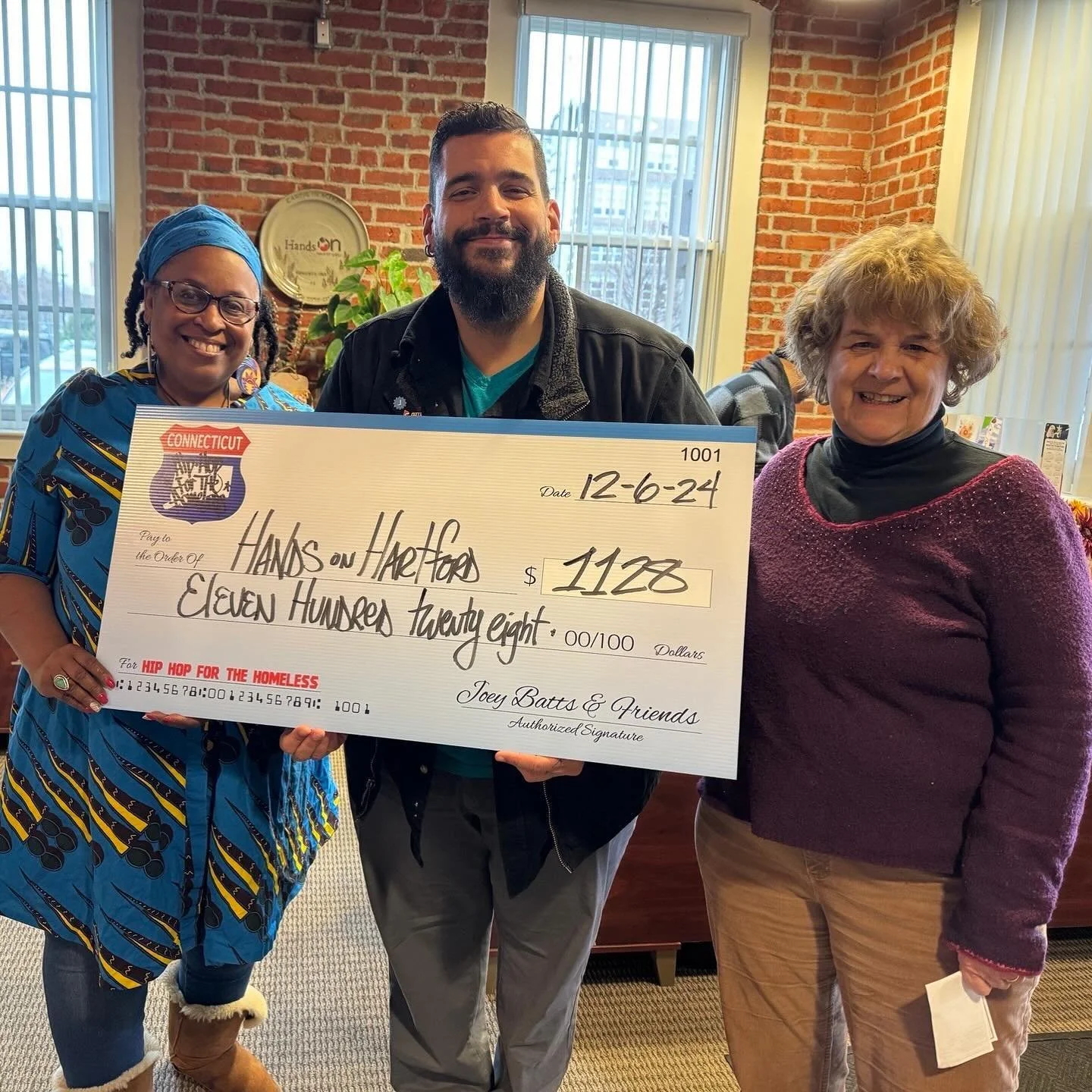
Can you speak to the importance of events like Hip Hop for the Homeless in regards to encouraging empathy and awareness as the wealth gap increases and financial assistance becomes scarce?
JB: Activating spaces within our community is so important and I think that bars, breweries, clubs and restaurants exist, but there’s something valuable about an event that doesn’t exclude anyone from attending and offers the opportunity for artists, community members and those who don’t necessarily have a voice to be heard and come together. It’s really important that we offer various cities around this time of year the chance to activate something positive in their community. HH4H is a nice way to ramp up towards a very challenging time, whether its the holidays, New Year or just getting through the winter. You don’t need money to attend the HH4H concerts. It’s nice to donate if you can, but we don’t turn anyone away. We just want people to be there, catch a vibe and share the love with us. That vibrates way more through the community because it activates a side of our empathy and gets people to think differently about the houseless and homeless community.
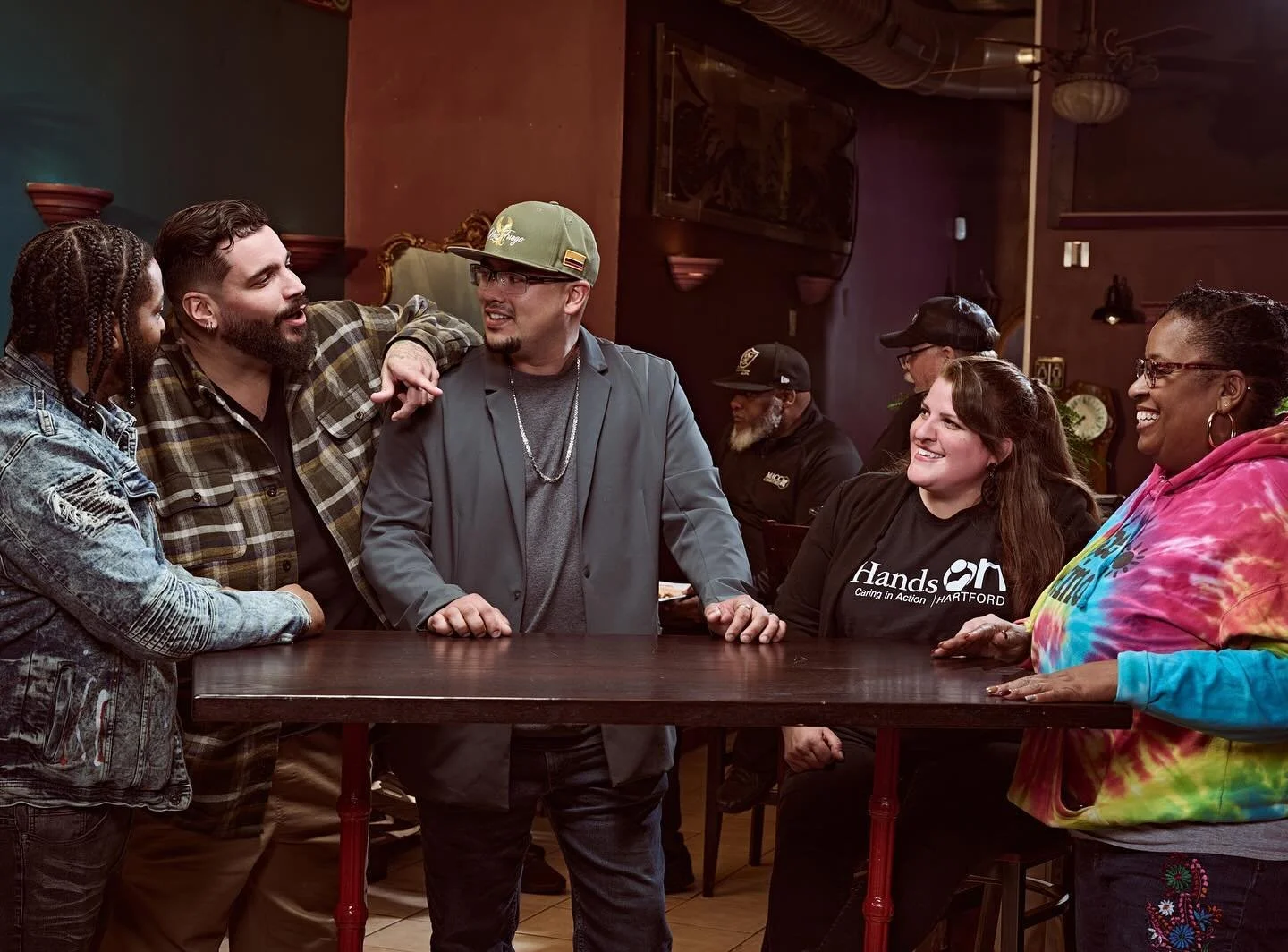
Do you think Hip Hop for the Homeless functions as a figurative third space where communities can gather, not just hip hop heads, but people who concerned with and affected by housing insecurity can come together?
JB: Overwhelmingly yes. Every year, I have seen more and more people who come out who may not look like not your typical hip hop heads, but they show up because they know the culture we’re building. The majority of the audience is there for a good reason to not just share in this amazing art and music, but for the greater good — something more than just themselves. The demographic that we collect and concentrate on is a demographic of young people, especially Black and brown folks who want to get more involved in philanthropy and community organizing. HH4H is good way to usher them in to those options so they don’t feel like they don’t exist.
Outside of events like Hip Hop for the Homeless, what can we do on an individual level to address the issue of housing insecurity?
JB: A good place to start is to pay attention to where HH4H is donating goods and the organizations we collaborate with. In the towns where we are hosting concerts, we’re showing you the beacon of light and letting you know where to go if you want to volunteer or donate. If you don’t live in the towns where we host shows, keeping an ear to the ground and researching churches or non-profits that are giving back. The problem is so vast right now, there are more and more organizations who are trying to help. I am also a resource if anyone wants to reach out personally to learn how they can help. These organizations not only need volunteers and donations, they need people to care.