

ON FEAR & HOUSING — A CRISIS WE'VE MADE WITH OUR NEIGHBORS
CAFETERIA SITS DOWN WITH COMMUNITY DEVELOPMENT PLANNER
ZOË CHATFIELD TO DISCUSS THE NEW HOUSING BILL
Is Connecticut facing a housing crisis? Between the lack of housing stock and sky high mortgage prices, it’s becoming increasingly hard to find a place to live, even with a well-paying job. In order to solve the housing shortage, Governor Ned Lamont signed the housing bill, HB 8002, which went into effect on January 1. Referred to as an “omnibus,” the contentious legislation seems to take a one size fits all approach, proposing solutions that might work for suburban towns, but may not be beneficial for inner cities.
HB 8002 does have some merits, such as the ban on hostile architecture, which prevents municipalities from creating structures that “prevent homeless individuals from sitting or lying down.” The legislation also expands fair rent commissions to municipalities with populations of at least 15,000. Fair rent commissions help prevent excessive rent charges.
However, the bill has many flaws.
Increasing the minimum wage is crucial to ensuring that residents can actually afford to live here, yet the bill only raises it by 60 cents. Raising minimum wage by less than a dollar while encouraging the general construction of housing that can still turn out to be $2500 luxury apartments is counterproductive. However, the market realities and the general development trend we see is that a lot of the apartments that get built are "luxury" and still out of reach for a lot of folks. Furthermore, Section 24 limits residents’ ability to push back against developments that might not be right for the neighborhood. Prior to HB 8002, you only needed 20% of affected residents to protest housing developments. With the new housing bill, 50% will be required to formally oppose changes. If HB 8002 is meant to develop neighborhoods, allowing people to have a say in how their neighborhood is developed should be a priority.
While a housing bill is better than no bill, does HB8002 actually address the root of the housing crisis or is it simply a band-aid? What does this all mean for Connecticut citizens? Continue scrolling to learn more as community development planner Zoe Chatfield breaks down the housing bill and discusses the importance of compromising for the sake of building communities.
CAFETERIA: What are your thoughts on bill HB 8002?
ZC: The bill is not perfect. If you ask different people, depending on the field they work in or the town they live in, you’ll get a wide range of answers. There are planners that have fallen on both sides of being for and against the bill. However, personally, I think it’s better than nothing – we have to start somewhere. The bill’s biggest strength and weakness is that it covers a lot of ground and because of that, there is more room for error. There are things that will need to be changed in a future iteration, but on a macro level, the different points that this bill hits are all really vital to moving us forward as a state towards addressing the housing crisis that we are actively experiencing.
If we get too in the weeds in order to pass something, we're never going to get to the next step. Policy making is (or should be) inherently iterative. Right now, we have a starting point that we can continue to build on. Where we are now is the result of a lot of activism and advocacy. Organizations like Open Communities Alliance and the work of Pro-Home CT (formerly Desegregate CT) have been pushing for housing regulations for years, it’s important to acknowledge the work that has been done to get to this point. We're seeing the results of that work on an outwardly public scale.
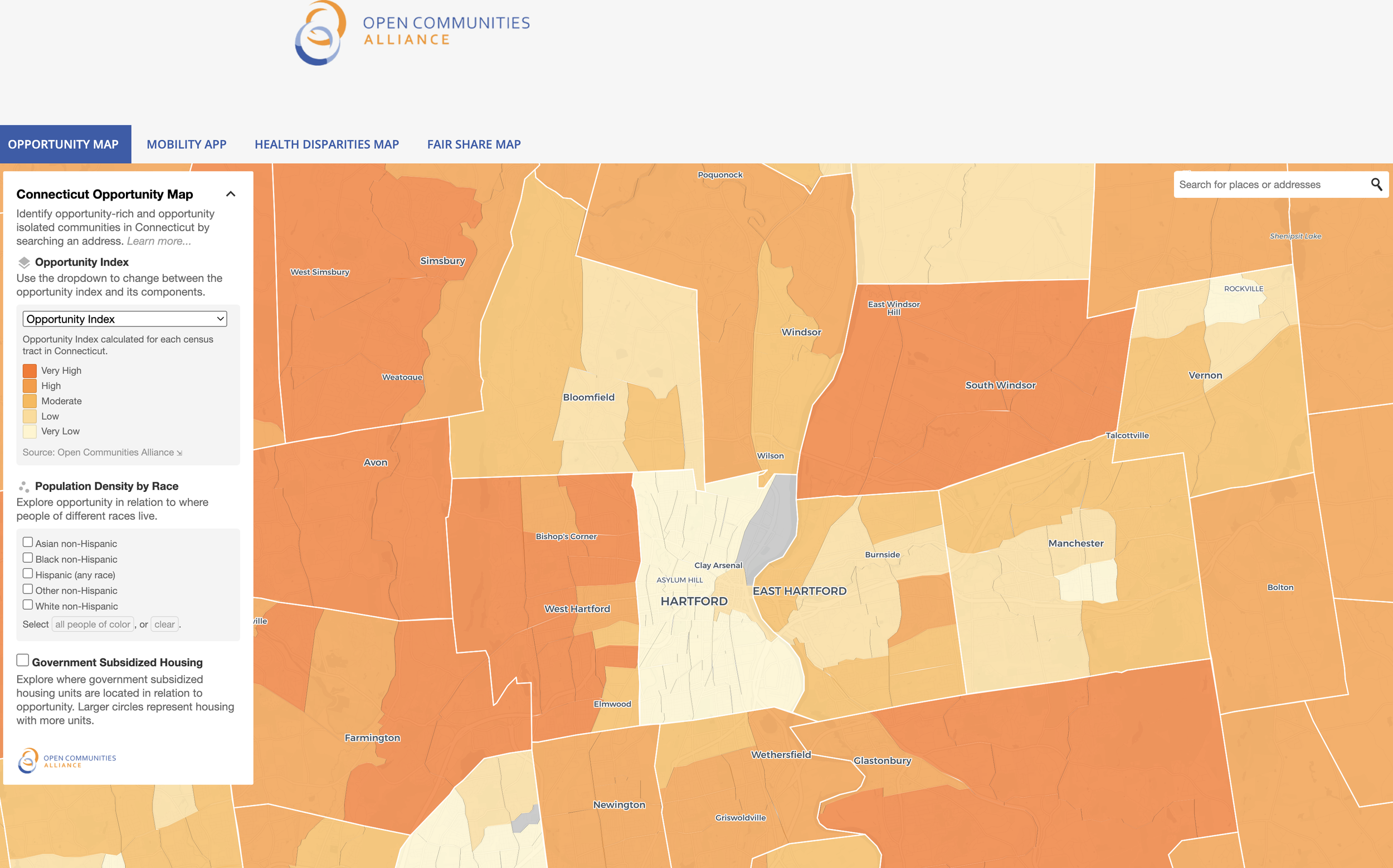
In addition, different pieces of the bill will be more relevant to different communities because on a large scale, we are experiencing a housing crisis in terms of people not having the income to even afford rent or a mortgage. You could be making $60,000 a year and still not be able to save money for a down payment on a house. We're getting to a point where more and more of CT’s population can't afford housing. There is also not a lot of available housing to begin with. In smaller communities, you’ll have a lot of older folks who have been living in their houses for quite some time and want to stay there, which is understandable. On the other hand, you’ll have older folks who want to move and downsize, but there is nowhere for them to go either. If you’re raising your kids in the suburbs, it makes sense to have four bedrooms and a backyard, but now that you’re older and living alone, you may have mobility issues and want to be in a one story space, but there’s nowhere in your community you can move to. You’d have to leave the town that you've built your life in for the last 30 years. That also means new families or young professionals can’t move into those same homes. There's not sufficient housing stock and everything that does exist is not affordable for a growing population of people. The whole cycle is stunted.
I think it's unfortunate that the housing crisis has had to get to that point where it's impacting more than just the very poor for it to matter as much, but I also think the fact that it's affecting people who, in theory should be making enough money to afford housing, shows just how bad the crisis is. The state needed to pass something to truly start coalescing around how deep these issues are. The bill is so extensive and has been called an omnibus because you need a whole range of tools to meet all these different scenarios that are happening all at once.
Section 24 requires 50 percent of the affected population to protest developments, whereas before it was 20 percent of affected residents. Does this change limit communities’ ability to shape their neighborhoods or does it allow for greater community involvement at the development level?
ZC: Firstly, we have to ask who decides what is “right for the area” and what that means. In cities like Hartford, the concern voiced by community members tends to be about gentrification and displacement. My general assumption is that existing residents are afraid that a new development will raise their rent and make it hard for them to continue to live in their community. However, other communities where the residents may actually have the resources to oppose developments are doing so for different reasons. Their concerns may be about increased density and traffic, more kids in the school system, and in many instances, the undertones of reasons given is really about keeping certain people out of their neighborhood.
Every community is unique and has its own characteristics that make it special for the people that live there. However, we as human beings tend to be insular and very protective of the sense of familiarity we cultivate in our neighborhoods. However, our communities will shift over time, whether we like it or not. Populations will come and go. People will grow up and die and new people will move in again – change is inevitable. By what parameters do you use to define a community? Whether you’re looking at Hartford or Fairfield, I think it's dangerous to define communities by who and what belongs there before, on, or after a certain point in time.
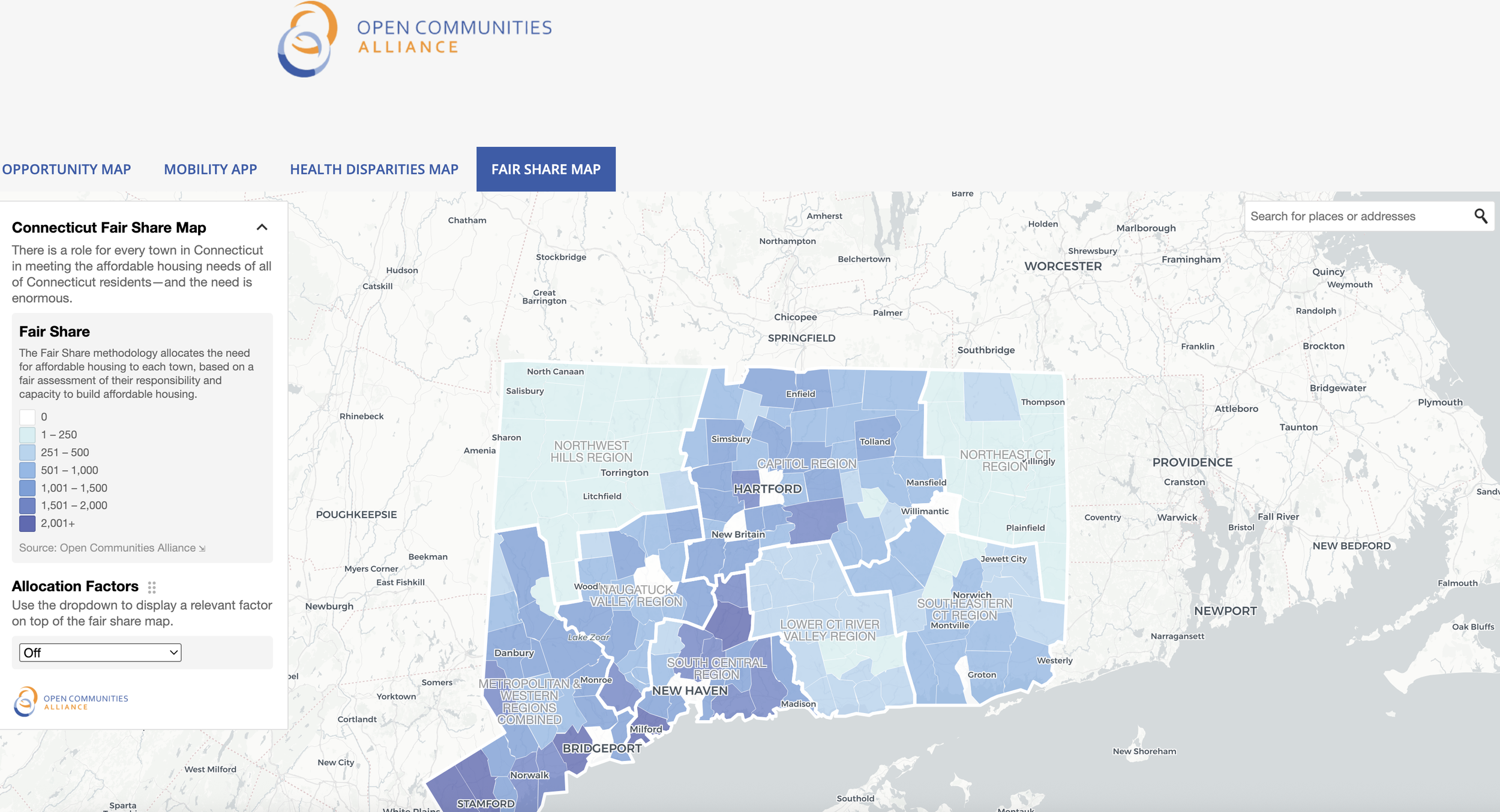
The fear of displacement and the fear of outsiders are two very different things. I do want to acknowledge that. When you’re from a marginalized community, you want to protect what you have, but I’ve witnessed very similar language used to oppose the development of affordable housing in more affluent communities. I do think that overall, we can’t use a period of time as a way to define what a community really is, or who deserves to belong in a place. That mindset is really dangerous and pervasive at every level of our nation right now. Sometimes, the root of it is completely valid when it comes to fears regarding displacement or loss of culture and connection, but how we talk about these fears is important because the same language around residents wanting control over what can be developed in their town or city gets weaponized against folks who are just trying to find a place to live.
The protest petition rule prevents a vocal and powerful minority from being the ones making all the decisions for a community and impeding progress, because this is when you will often see a protest petition enacted. It is often from those with the means to hire lawyers, not those already worried about the cost of their rent. The bottom line is people need housing right now. People can't afford to live anywhere. It’s unfair to oppose a housing development just because you don’t think it fits the “character” of your neighborhood.
How do you think HB 8002 will impact CT’s infrastructure with respect to affordable housing and creating sustainable neighborhoods?
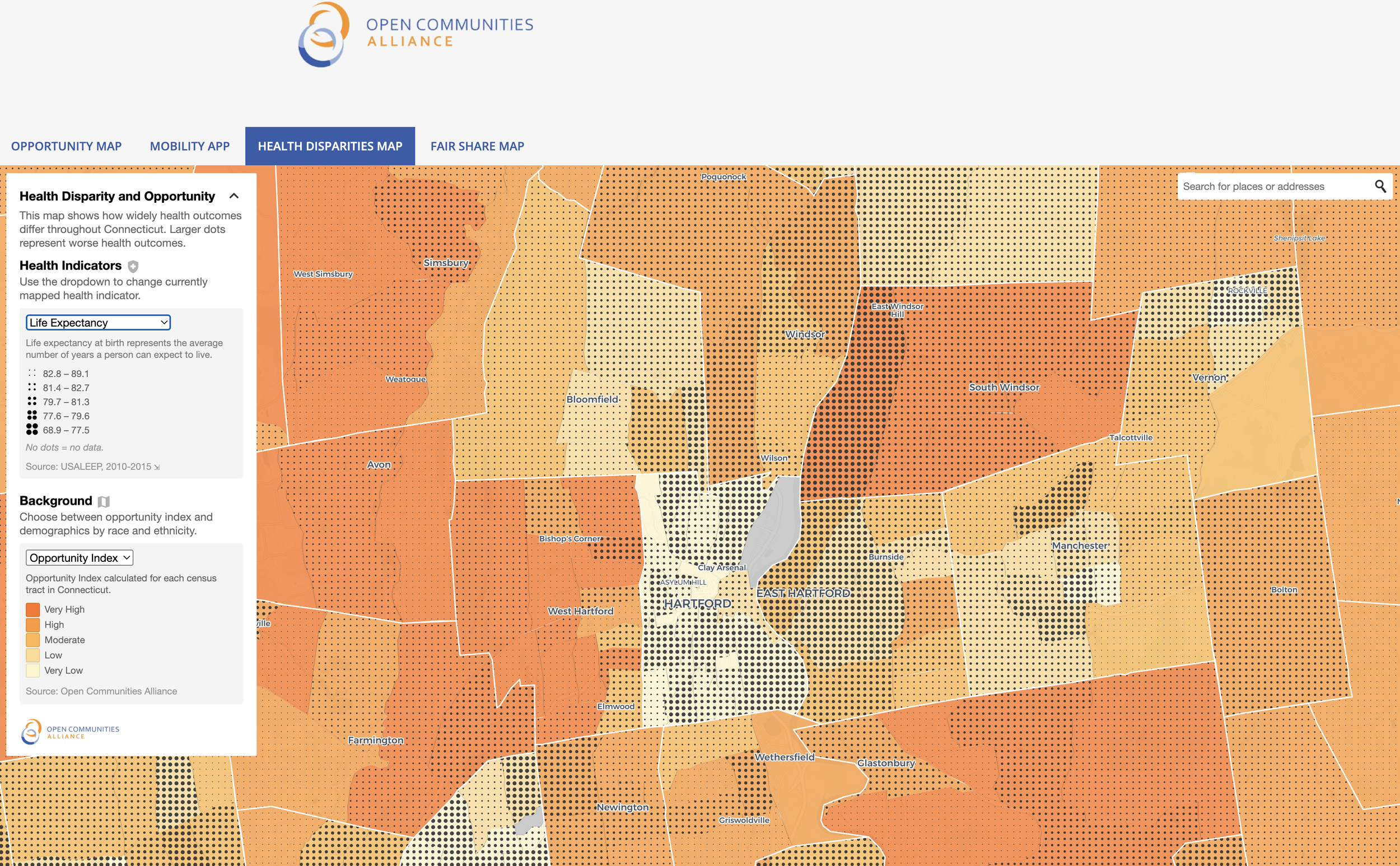
The question of affordable housing is a multifaceted one, beginning with the fact that there are two definitions of “affordable” that we need to be aware of as we talk about the challenge of housing access. First, there is the State and Federal definition of “affordable,” which is used to determine how many affordable housing units are currently available across our municipalities. This is narrowly defined to mean housing that is deed-restricted specifically for those with incomes below a certain threshold (usually 80%, 60%, or 30% below the Area-median income). Then there is “naturally occurring” affordable housing. This is housing that folks are able to reasonably afford based on their income. The rule of thumb used to be no more than 30% of your income going toward your mortgage or rent - which is unfortunately not an attainable goal for people across Connecticut.
The bill incorporates some required regulations and some programs that are “opt-in” that address both of these types of affordable definitions. The range of strategies in the bill will hopefully produce more housing stock that is actually affordable for people. Progress will depend on how proactive municipal leaders, developers, and community members want to be. I expect to see more evolution of the implementation strategies in the bill, and hope that the hard work of advocates that have gotten us this far will continue to push our landscape in the right direction.
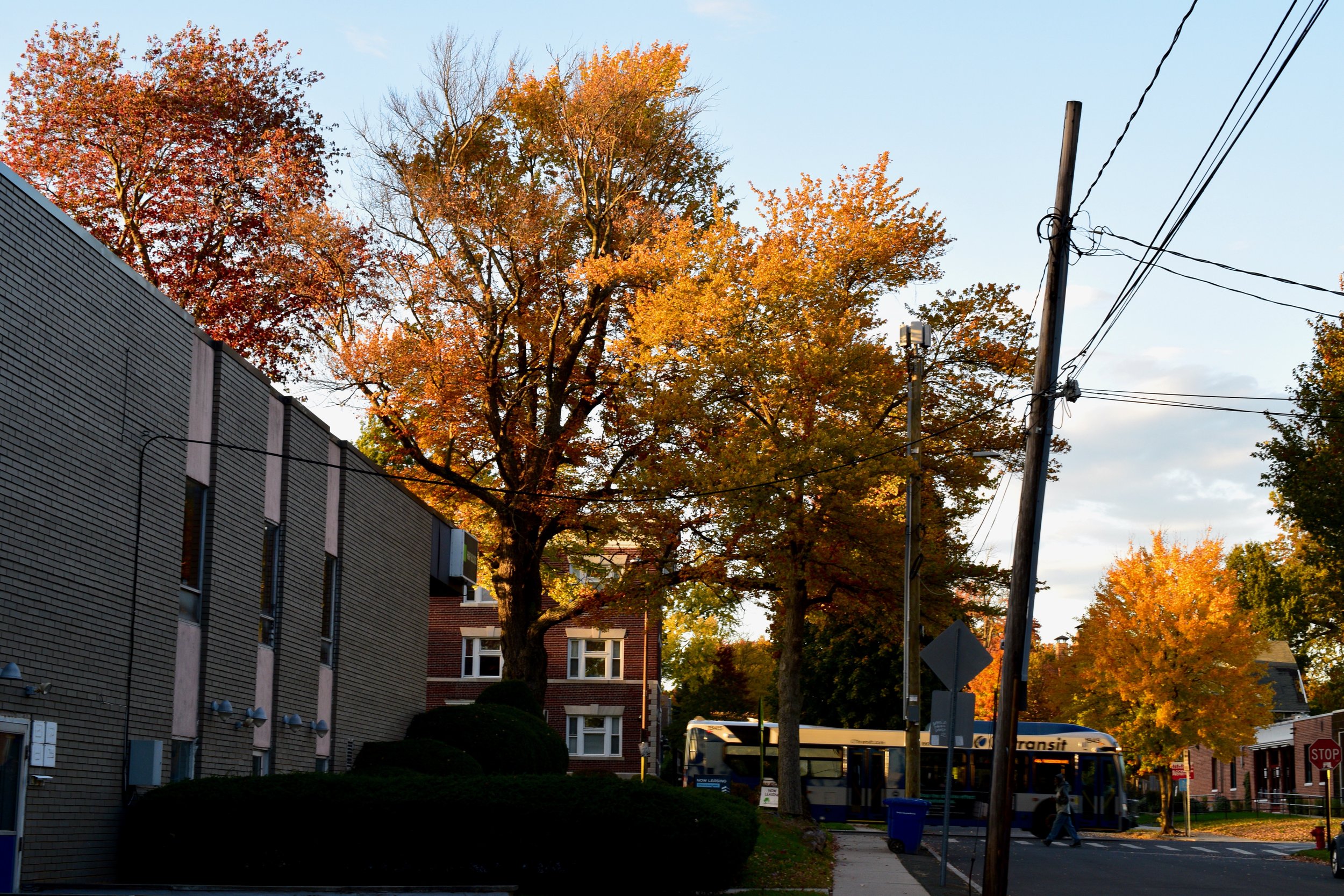
There's a lot at play for what creates a sustainable community. From the housing lens, I define this in part by looking at if a community can sustain someone at every life stage. From parents with kids, to young adults looking for their first place to live independently, to empty nesters, to those aging and in need of extra support (ADA accessibility for example). Whoever you are, at whatever stage in life you are experiencing, you should be able to find housing in the city or town that you want to be in. You should also be able to find housing in the city or town that you work in. Whether you’re making minimum wage or are a CEO, people of all pay-scales are expected to show up and work within a single municipality and within a single building. That means those same people should be able to live nearby if they so choose.
Another aspect of a sustainable community is sustainability through the local economy - both a tax base that can be used to provide basic services we expect from our local government, and the circulation of local dollars around local businesses. The more diverse a housing stock in a community, the easier it is to also have a sustained economy and benefit of services. Some folks will pay more taxes because they have higher property values or they eat out more to keep local businesses thriving. And that benefits the folks who can't afford to do that but can afford to live in the municipality. A sustainable community should have a diverse income base. For low-income individuals, access to resources is more likely to happen in a mixed-income neighborhood. And for individuals who may currently think that these issues don't impact them - the reality is, everyone is closer to instability than they think, and no one can escape aging. Most people will benefit from some element of a diverse housing stock or public resources in a community at some point.
This bill, while not perfect, does have legislation that touches upon many of the elements that can help create more sustainable communities. One single piece of legislation was never going to be able to address the full range of systemic issues that have led up to the housing crisis we face today, but I do think it has served as a call to action for many municipalities. The fact that we’re even having this conversation shows me that some good has come out of it, because we all need to be keeping attention on these issues as constituents in our state. If we listen to advocates, listen to those that continue to struggle to secure housing, and listen to the experts who work in housing development, I not only hope but believe that we will continue to move the needle.